While fresh flower arrangements can be a bit pricey, generally speaking, we don’t assume the plants themselves are all that expensive.
However, that’s not the case at all. Some flowers cost more than a car, and others are so rare they’re practically priceless. From orchids that take decades to bloom to roses that sell for hundreds of pounds each, the world’s most expensive flowers combine beauty, rarity, and incredible growing challenges to create astronomical price tags.
1. Kadupul flower — priceless

The Kadupul flower from Sri Lanka is considered priceless because it blooms only at night and dies before dawn. This rare cactus flower releases an incredibly sweet fragrance that attracts night-flying moths for pollination. Scientists estimate that if you could somehow preserve and sell a Kadupul flower, it would be worth thousands of pounds. The flower’s fleeting beauty and impossibility to own makes it the ultimate luxury that money simply cannot buy.
2. Juliet rose — £3 million to develop
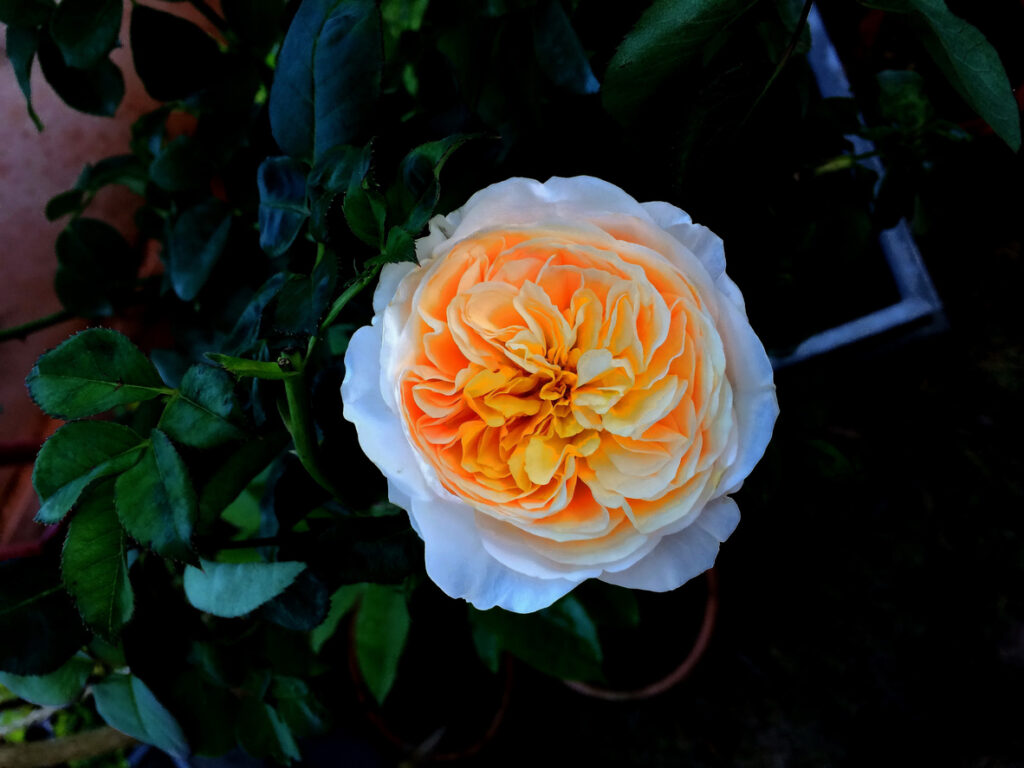
The Juliet rose took breeder David Austin 15 years and £3 million to develop, making it one of the most expensive flowers ever created. This peachy-pink rose combines the classic shape of old roses with modern disease resistance and repeat flowering.
Individual Juliet roses now sell for around £25 each, but the development costs make this the most expensive flower breeding project in history. The rose’s perfect form and incredible fragrance justify the premium price for serious rose collectors.
3. Gold of Kinabalu orchid — £3,000 per stem
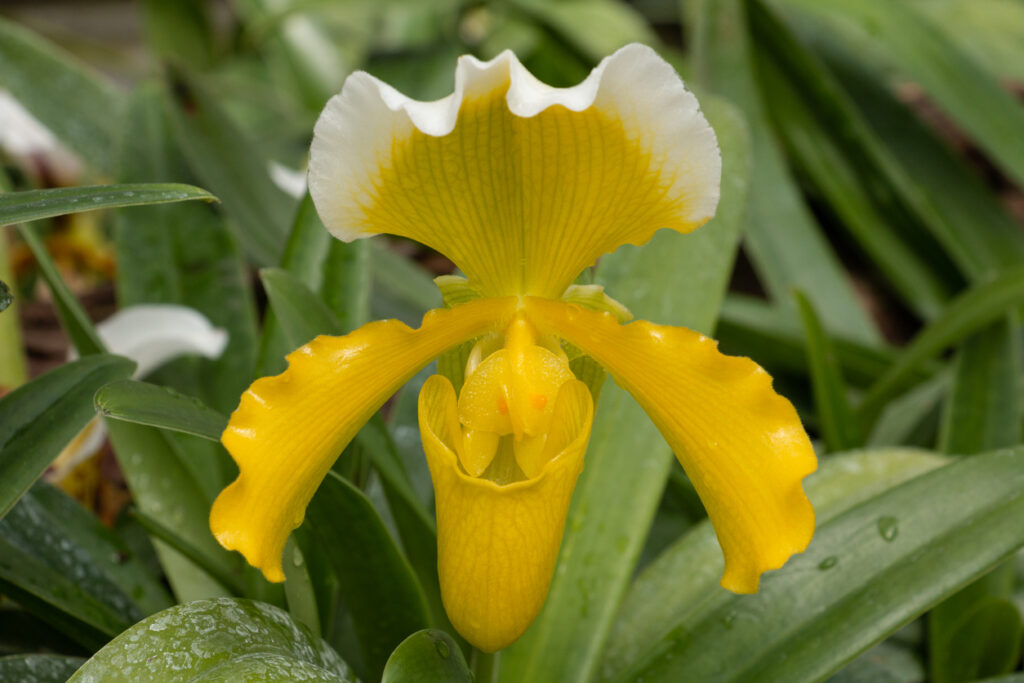
Found only on Mount Kinabalu in Malaysia, this rare orchid can cost up to £3,000 per stem when available. The flower takes 15 years to bloom and grows only in specific conditions on the mountain’s slopes. The Gold of Kinabalu’s rarity comes from its incredibly slow growth rate and very specific habitat requirements. Climate change and habitat destruction make this orchid increasingly rare, driving prices even higher for collectors.
4. Saffron crocus — £10,000 per kilogram

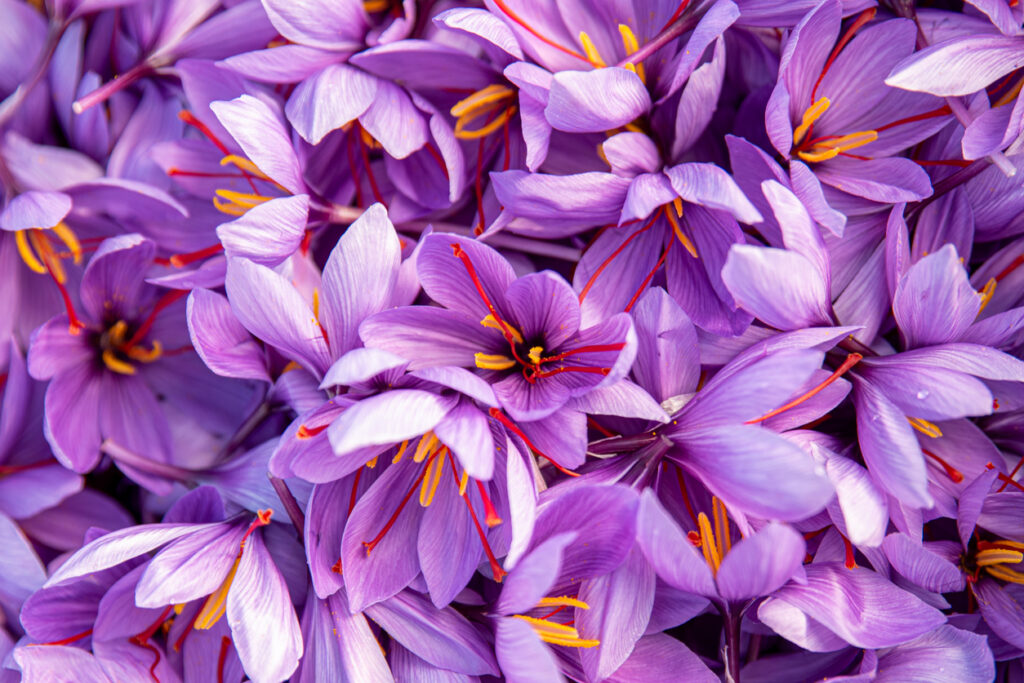
The purple saffron crocus flower produces the world’s most expensive spice from its tiny stigmas. It takes around 150 flowers to produce just one gram of saffron spice, which costs more than gold by weight. Each flower must be hand-picked at dawn and the three tiny stigmas carefully removed with tweezers. This labour-intensive process and the fact that flowers bloom for only a few weeks each year creates saffron’s incredible value.
5. Rothschild’s orchid — £4,000 per plant

Rothschild’s orchid is an incredibly rare Malaysian species that can cost up to £4,000 per plant. This orchid was thought extinct until rediscovered in the 1980s on Mount Kinabalu. The flower’s rarity is protected by law in Malaysia, making legal specimens incredibly valuable. The orchid’s striking yellow petals with red spots and its conservation status make it one of the most sought-after plants by collectors.
6. Gloriosa lily — £6-10 per stem
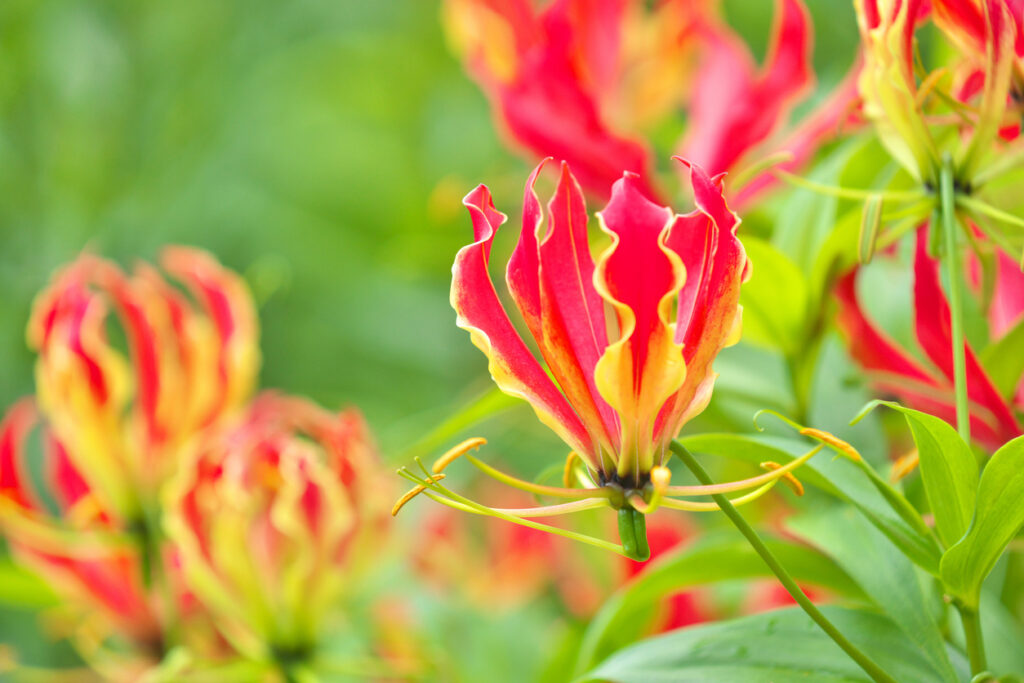
The Gloriosa lily’s dramatic flame-shaped petals and climbing habit make it expensive and difficult to grow commercially. These South African natives require specific temperature conditions and careful handling due to their poisonous nature.
The flower’s exotic appearance and challenging cultivation requirements keep prices high. Gloriosa lilies are popular for luxury wedding arrangements but their toxicity and climbing growth habit make them unsuitable for many gardens.
7. Historic tulip varieties — once worth more than houses

During the 17th century Dutch Tulip Mania, some tulip bulbs sold for more than houses. The ‘Semper Augustus’ variety was the most expensive, with bulbs reaching prices equivalent to £750,000 in today’s money. Modern tulips are affordable, but rare historical varieties and newly developed cultivars can still command high prices. The tulip market crash of 1637 remains one of history’s most famous economic bubbles.
8. Lily of the valley — £15-25 per bunch
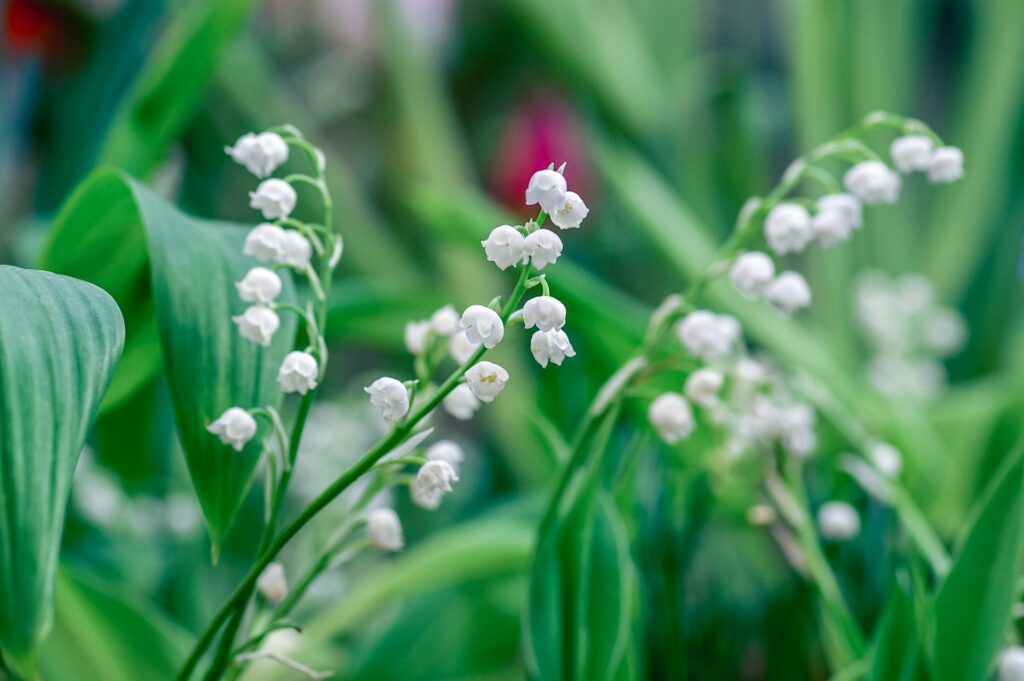
These delicate white bells are expensive because they’re difficult to force into bloom outside their natural season. The flowers are also highly poisonous, requiring careful handling during cultivation and transport. Lily of the valley’s association with luxury weddings and its sweet fragrance maintain high demand despite the brief blooming season. The plants spread slowly, making large quantities difficult to produce quickly.
9. Premium hydrangeas — £2-7 per stem

Common hydrangeas are affordable, but rare varieties such as the blue ‘Endless Summer’ or antique French cultivars can be expensive. These flowers require specific soil conditions to achieve their famous colour changes. Premium hydrangea varieties that bloom repeatedly or have unusual colours command higher prices. The flowers’ large size and long-lasting nature make them popular for luxury arrangements despite the cost.
10. Gardenias — £3-8 per flower

Gardenias are expensive because they’re incredibly finicky to grow and transport. These fragrant white flowers bruise easily, require specific humidity levels, and often arrive damaged at their destination. The flower’s intense fragrance and association with luxury events keep demand high despite cultivation challenges. Gardenias need acidic soil and consistent moisture, making them difficult for many growers to produce successfully.
11. Peonies — £4-15 per stem
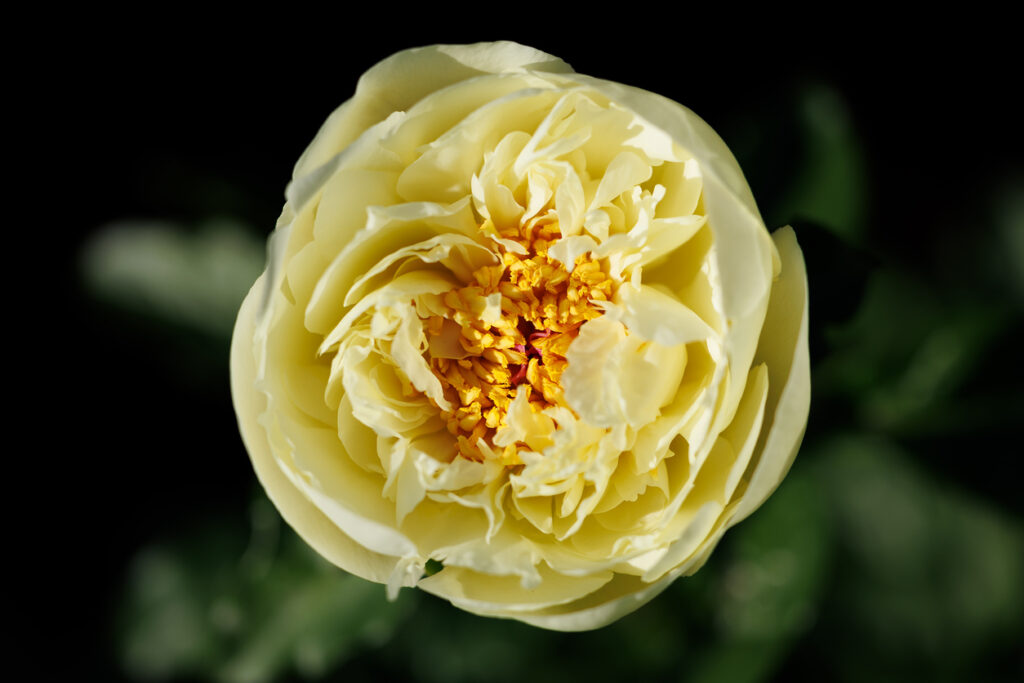
Peonies have a very short growing season and don’t travel well, making them expensive when in demand. These full, ruffled flowers bloom for only a few weeks each year, creating supply shortages. The flowers’ popularity for weddings and their brief availability window drive up prices significantly. Tree peonies, which can live for decades, are particularly expensive as young plants due to their slow growth rate.
12. Lisianthus — £2-5 per stem
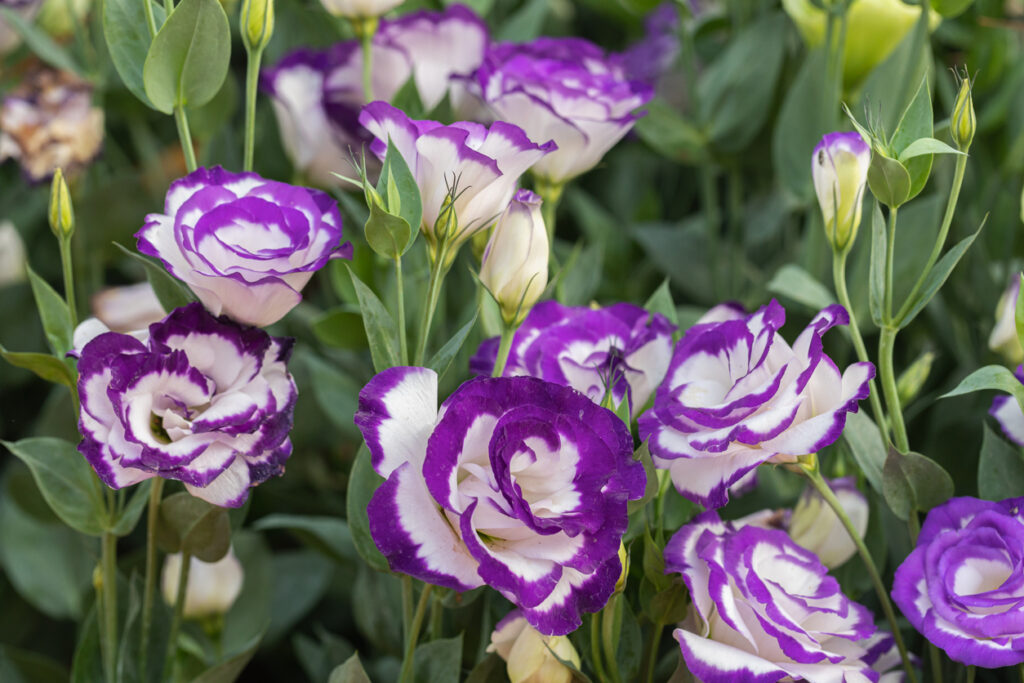
These rose-shaped flowers are expensive because they’re difficult to grow from seed and require precise temperature control. Lisianthus plants are sensitive to heat and humidity changes, making commercial production challenging. The flowers’ resemblance to roses but with longer lasting blooms makes them popular for expensive arrangements. Their delicate petals and specific growing requirements keep prices higher than simpler flowers.
13. Stephanotis — £3-6 per stem
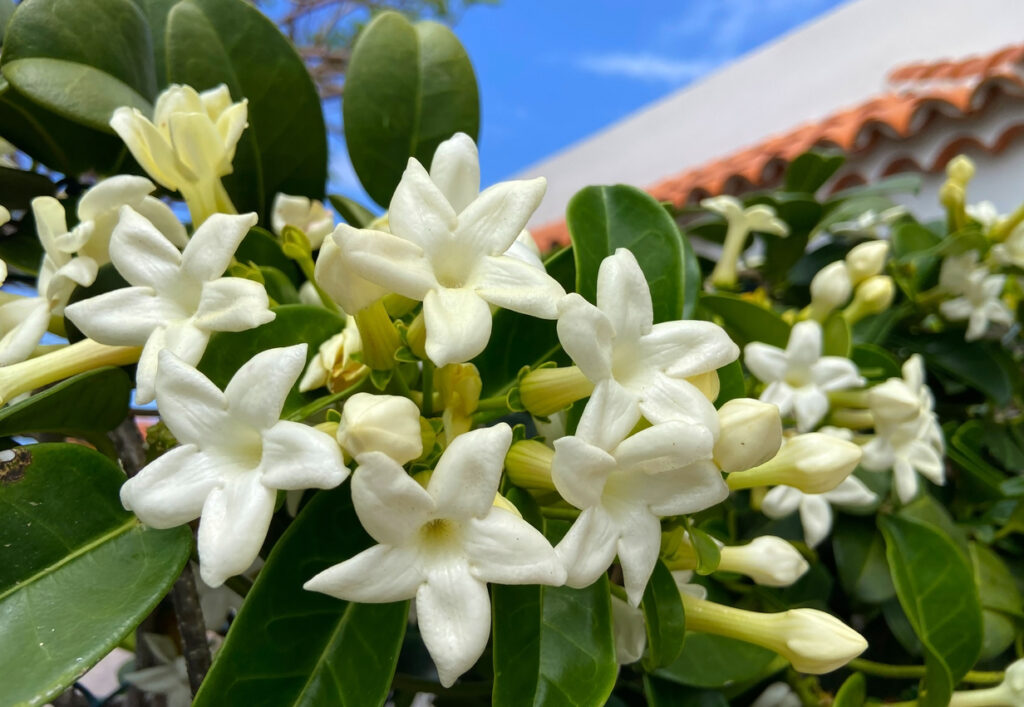
Stephanotis flowers are costly because the vine takes years to establish and produces relatively few blooms. These waxy white flowers are popular for bridal bouquets but require greenhouse cultivation in most climates. The flower’s strong fragrance and perfect white colour make it desirable for luxury events. However, the vine’s slow growth and specific care requirements limit supply and maintain high prices.
14. Premium ranunculus — £2-4 per stem

Basic ranunculus are affordable, but premium varieties with unusual colours or extra-full blooms command higher prices. These flowers require cold treatment and specific planting timing to bloom properly. The most expensive ranunculus varieties feature colours such as chocolate brown or pure white with dozens of delicate petals. These specialty varieties often come from Dutch or Italian growers who’ve perfected the cultivation techniques.
15. Anemone coronaria — £2-5 per stem
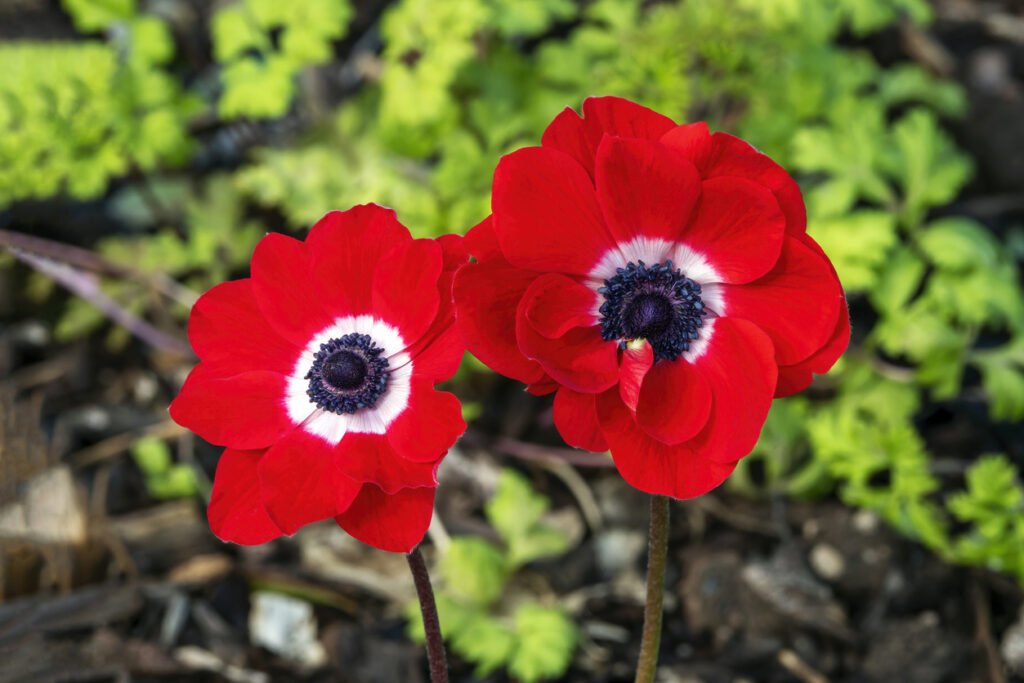
These Mediterranean natives are expensive because they require a cold period to bloom and have a relatively short flowering season. The flowers’ papery petals are also fragile and don’t ship well. Premium anemone varieties in unusual colours such as deep purple or pure white command the highest prices. The flowers’ wild, natural appearance makes them popular for luxury rustic-style arrangements.
16. Garden roses — £3-12 per stem
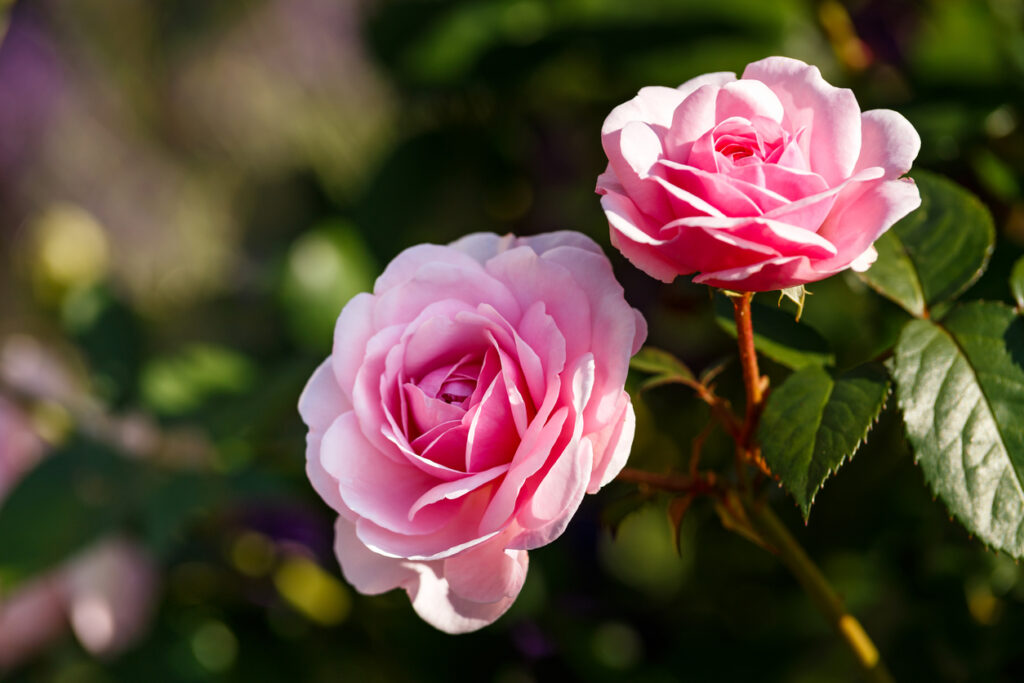
Premium garden roses cost significantly more than standard florist roses because they have more petals, stronger fragrance, and shorter vase life. Varieties such as David Austin roses are particularly expensive. These roses are grown for beauty rather than longevity, making them unsuitable for mass market floristry. Their full, old-fashioned appearance and incredible fragrance justify the premium prices for special occasions.
17. Sweet peas — £1-3 per stem
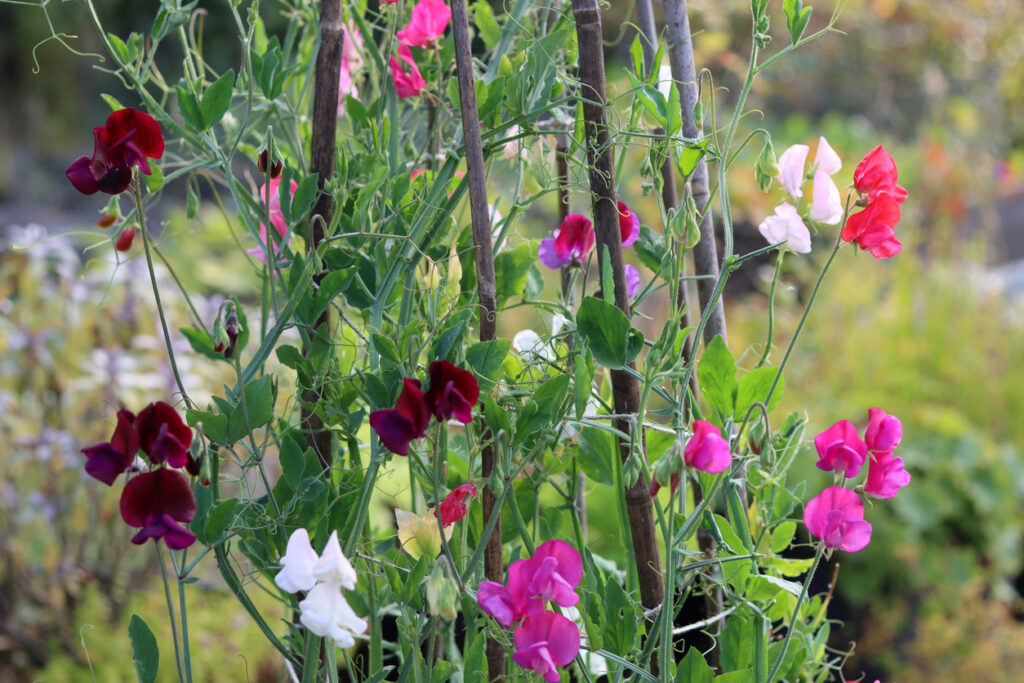
Sweet peas are expensive because they have a very short season and don’t last long once cut. These fragrant climbing flowers require cool weather and often struggle in hot climates. The flowers’ incredible fragrance and cottage garden appeal make them popular despite their brief lifespan. Premium varieties with unusual colours or extra-strong scent command the highest prices from specialty growers.
18. Fritillaria — £3-8 per stem

These unusual chequered flowers are expensive because they’re difficult to cultivate and have very specific growing requirements. Many fritillaria species take several years to bloom from bulb to flower. The most expensive varieties such as Fritillaria imperialis (Crown Imperial) are large and dramatic but require expert cultivation. Their unusual appearance and challenging nature make them prized by collectors and specialty florists.
19. Hellebores — £4-10 per stem
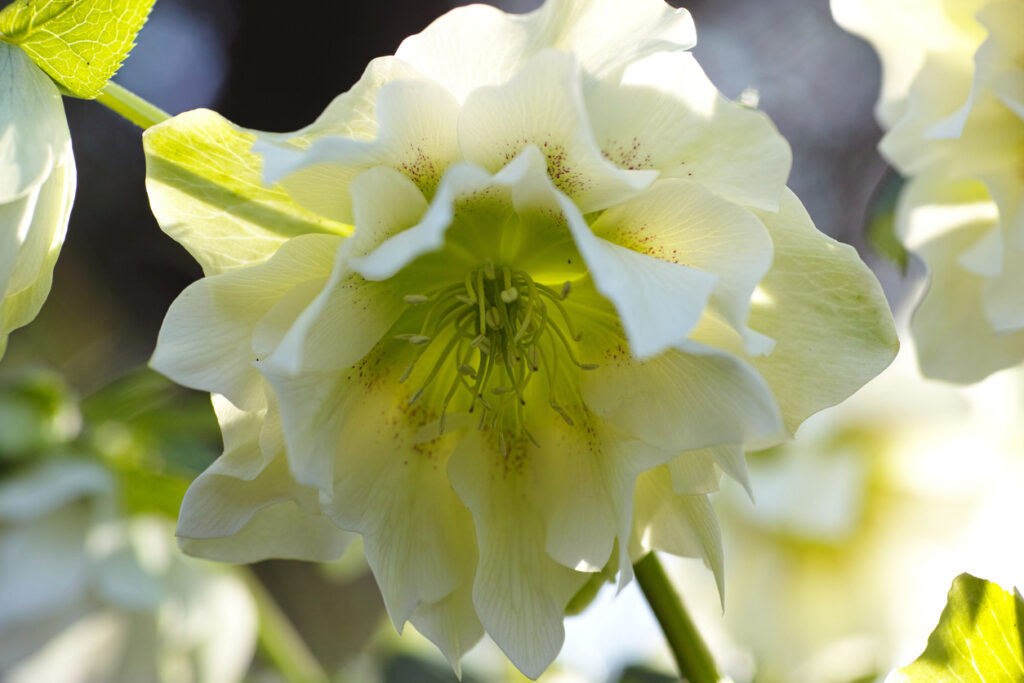
Premium hellebore varieties are expensive because they bloom in winter when few other flowers are available. Many varieties take years to develop from seed, and double-flowered types are particularly costly. The flowers’ ability to bloom in snow and their long-lasting nature make them valuable for winter arrangements. Rare colours such as yellow or deep purple command the highest prices from specialty growers.