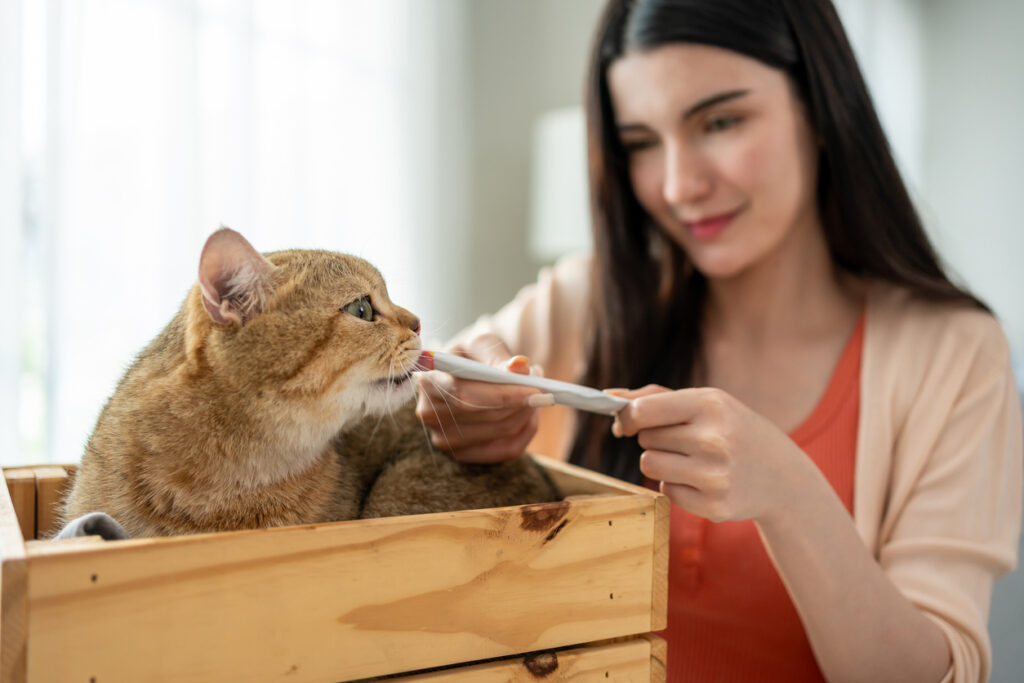
Being a good pet parent when you’re away is more than just leaving food and water and hiring someone to walk them or clean out the litter tray. It’s about thinking through all the little things that can turn a pet sitting gig from stressful chaos into smooth sailing for everyone involved. Here are some things you can do to ensure your pet sitter is able to look after your furry friends in the best (and least stressful) way while you’re away.
1. Write down your pet’s actual routine, not the ideal one.
Don’t tell your sitter that Fluffy eats at exactly 7 a.m. and 6 p.m. if, in reality, you usually feed her whenever you remember between 6:30-8 a.m. and sometime after work. Give them the real schedule with realistic time windows so they don’t stress about being perfectly punctual with a routine that doesn’t actually exist.
Include the weird little quirks too, like how your dog won’t eat unless you put the bowl in the exact right spot, or how your cat expects you to sit next to them for the first few bites. These details seem minor, but they prevent your pets from going on hunger strikes while you’re gone.
2. Leave way more contact info than seems necessary.
Your phone number isn’t enough. Leave your hotel info, your itinerary with arrival times, backup contacts who know your pets, your vet’s number, and maybe even your mum’s number in case of absolute emergency. You want your sitter to feel like they can reach someone, no matter what happens.
Include your neighbour’s contact info too, if you’re on friendly terms, especially if they know your pets or have spare keys. Having multiple people they can call takes pressure off the sitter and gives you peace of mind knowing there’s always backup support available.
3. Show them where literally everything is.
Don’t just point to the cabinet with pet food. Show them exactly which shelf, which container, and how much to give. Show them where the leash is, where cleaning supplies live, where extra toys are stored, and where you keep the good treats versus the everyday ones.
Walk them through your house like they’re a detective investigating a crime scene, pointing out every single thing they might need. It feels excessive when you’re doing it, but when they’re dealing with a pet emergency at 2 AM, they’ll be grateful they know exactly where to find everything.
4. Explain your pet’s weird bathroom habits.

If your dog has a specific spot in the yard where they like to poop, or your cat prefers a certain litter box, or someone has digestive issues that require special timing, share all of that information. Bathroom habits are crucial for pet health and sitter sanity.
Include details about how often accidents happen, what to do if they occur, and where cleaning supplies are located. Nobody wants to deal with surprise messes, but knowing what’s normal versus concerning helps sitters respond appropriately instead of panicking.
5. Leave an “in case of emergency” kit ready to go.
Have a carrier, leash, and your pet’s medical records easily accessible in case they need to get to the vet quickly. Include a list of symptoms that warrant immediate vet attention, versus things that can wait until you’re back. Pre-authorise your sitter to make emergency vet decisions up to a certain dollar amount, and leave a credit card or cash to cover unexpected expenses. Having this sorted ahead of time prevents delays in getting care if something goes wrong.
6. Stock up on everything before you leave.
Running out of food, litter, or medication while you’re away turns into a major stress situation for your sitter. Buy extra of everything and show them where backups are stored so they never have to worry about supplies running low. This includes things like poop bags, cleaning supplies, and any special treats or toys that help keep your pets calm. It’s way better to over-prepare than to have your sitter frantically searching for an open pet store at 10 p.m. on a Sunday.
7. Introduce the sitter to your pets before you leave.
Don’t just drop your pets off with a stranger or have the sitter show up for the first time when you’re already walking out the door. Schedule a meet-and-greet where your pets can get used to the sitter while you’re still there to supervise and answer questions.
This is especially important for anxious pets or animals with specific behavioural quirks. Seeing that you trust and like the sitter helps your pets accept them more easily, and the sitter gets to see your pets’ personalities in action rather than just reading about them.
8. Be honest about behavioural issues.
If your dog barks at delivery trucks, your cat hides under the bed for three days when strangers are around, or someone has separation anxiety that leads to destructive behaviour, tell your sitter upfront. They need to know what to expect and how to handle it.
Hiding behavioural problems doesn’t protect anyone. It just sets your sitter up to be caught off guard and potentially make the situation worse. Most experienced sitters have dealt with all kinds of pet personalities and can handle issues better when they’re prepared for them.
9. Create a simple daily checklist.
Write out a basic checklist of daily tasks, so your sitter can keep track of what’s been done and what still needs to happen. Include feeding times, walk schedules, medication reminders, and any other regular care tasks. This prevents things from being forgotten and gives your sitter confidence that they’re covering everything your pets need. It’s also helpful for you when you get back and want to know how everything went while you were away.
10. Leave entertainment options for your pets.
Set out puzzle toys, special treats, or interactive games that can help keep your pets occupied and reduce stress while you’re gone. Show your sitter when and how to use these distractions, especially if your pets get anxious about routine changes. Having special activities available gives your sitter tools to help if your pets seem bored, stressed, or overly energetic. You’re basically leaving a toolbox of solutions for common pet problems that might come up during your absence.
11. Explain your home’s quirks that affect pet care
If your back door sticks and needs to be lifted while turning the handle, or your fence has a loose board that pets might escape through, or certain rooms are off-limits, make sure your sitter knows about these house-specific details. Include information about alarm systems, automatic timers, or any technology your sitter needs to work around. These details prevent accidents and help your sitter feel confident moving around your space.
12. Leave detailed info about your pets’ personalities.

Go beyond basic care instructions and really describe who your pets are as individuals. Does your dog love belly rubs but hate having their paws touched? Is your cat super social, or do they prefer to observe from a distance? Do they have favourite games or comfort items?
A bit of personality information helps your sitter build actual relationships with your pets instead of just going through the motions of care. Understanding what makes each animal happy can turn pet sitting from a chore into an enjoyable experience for everyone.
13. Set up a communication plan that works for both of you.
Decide ahead of time how often you want updates and what method works best: daily texts, photos, quick calls, or just emergency contact only. Some pet parents want constant updates, while others prefer to disconnect completely during your holiday.
Be clear about your expectations, but also respect your sitter’s time and communication style. A good balance might be a daily photo with a quick “all good here” message, plus immediate contact for any concerns or emergencies that come up.