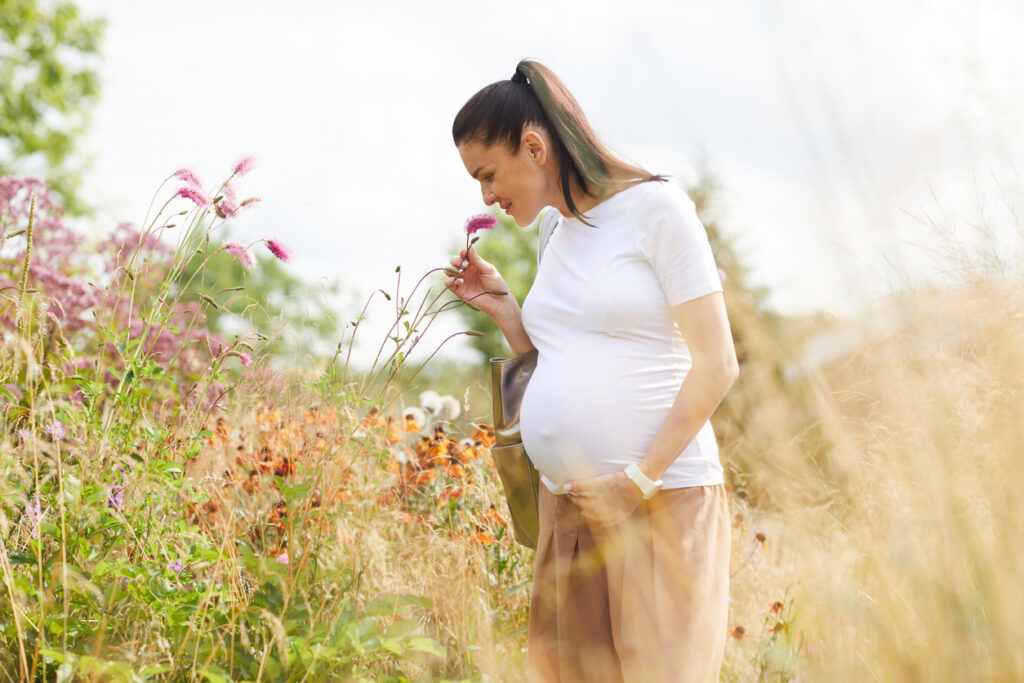
There are plenty of adjustments you have to make in life when you’re expecting a child, but changing the way you garden may never have entered your head. Being pregnant doesn’t mean you have to give up your green thumb, but there are definitely some things to watch out for to keep both you and your baby safe while you’re tending to your plants.
1. Skip the heavy lifting and awkward bending.
Your centre of gravity is already doing weird things, and hauling bags of soil or trying to dig up stubborn weeds while bent over isn’t going to do your back any favours. Plus, heavy lifting can put unnecessary strain on your body when it’s already working overtime growing a human.
Invest in some lightweight containers, use a wheelbarrow for moving stuff around, and consider raised beds or container gardening that brings everything up to a more comfortable height. Your future self (and your chiropractor) will thank you for not trying to be a hero with the heavy stuff.
2. Watch out for toxoplasmosis in soil.
This one’s a big deal because toxoplasmosis can cause serious problems for your baby, and it can lurk in garden soil, especially if neighbourhood cats have been using your flower beds as their personal bathroom. The infection usually doesn’t cause symptoms in healthy adults, but it can be dangerous during pregnancy.
Always wear gloves when gardening, wash your hands thoroughly afterward, and consider letting someone else handle the soil-heavy tasks if you’re worried. If you must dig around in dirt, make sure those gloves are thick enough that you won’t get scratched by thorns or rough edges.
3. Some plants are actually toxic during pregnancy.
Certain herbs and plants that are normally fine can become problematic when you’re pregnant. Things like pennyroyal, tansy, and large amounts of sage should be avoided because they can potentially cause contractions or other issues. Even some essential oils from plants can be concerning.
If you’re growing herbs for cooking or medicinal purposes, do some research about what’s safe during pregnancy. When in doubt, stick to the basics like basil, cilantro, and parsley, and save the more exotic stuff for after baby arrives.
4. Be smart about pesticides and chemicals.
Now’s definitely not the time to be spraying harsh chemicals around your garden or using strong fertilizers without proper protection. Many conventional pesticides and herbicides can be harmful during pregnancy, and you’re more likely to absorb things through your skin or breathe them in.
Look into organic alternatives or natural pest control methods like companion planting, beneficial insects, or physical barriers. If you absolutely need to use something stronger, get someone else to apply it and stay away from the area until it’s completely dry and settled.
5. Stay hydrated and take breaks more often.
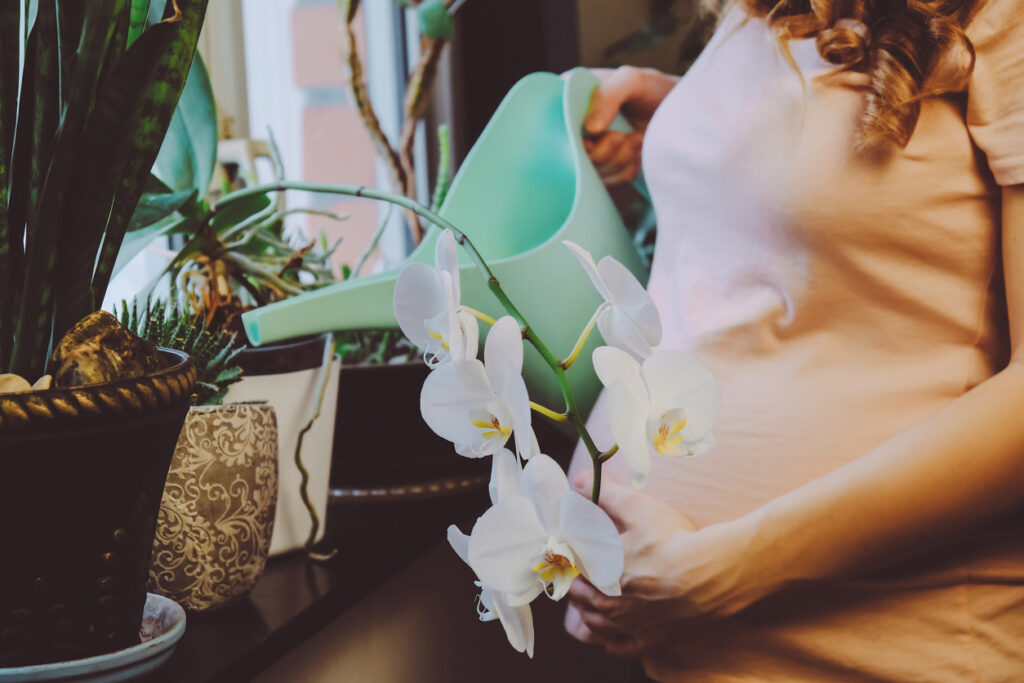
Pregnancy already makes you more prone to overheating and dehydration, and being out in the sun working in the garden can push you over the edge faster than usual. Your body is working harder than normal, so it needs more water and rest breaks.
Set a timer to remind yourself to drink water regularly, garden during cooler parts of the day like early morning or evening, and don’t feel bad about taking way more breaks than you used to. Listen to your body when it tells you to slow down or take a seat.
6. Protect yourself from sun exposure.
Pregnancy can make your skin more sensitive to sun damage, and you’re probably spending more time outdoors than usual if you’re really into gardening. The hormone changes can also make you more prone to developing dark patches on your face from sun exposure.
Wear a good broad-spectrum sunscreen, consider a wide-brimmed hat, and try to do your gardening when the sun isn’t at its strongest. Your skin will be more reactive right now, so better to be overly cautious about protection.
7. Choose your garden position wisely.
As your belly grows, squatting and kneeling become increasingly uncomfortable and potentially problematic for your balance. Getting up from ground level becomes more challenging, and you don’t want to get stuck in an awkward position or risk falling.
Consider using a garden stool or kneeling pad, and focus on tasks you can do standing up or sitting down. Raised beds, vertical gardens, and container gardening become your best friends as pregnancy progresses and bending over gets harder.
8. Be aware of increased fall risk.
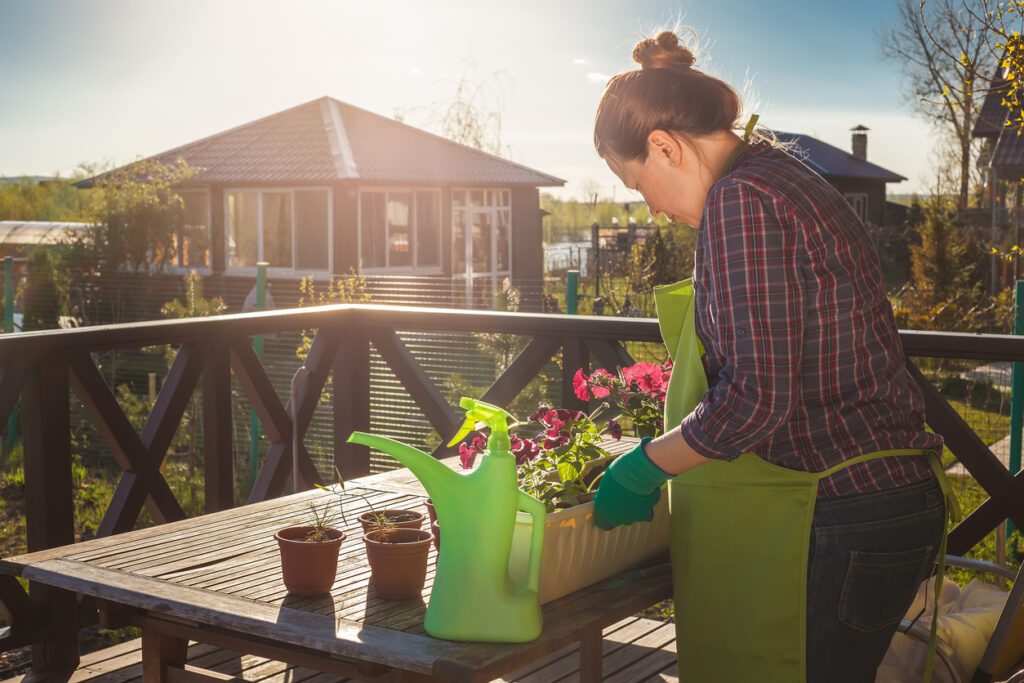
Your changing centre of gravity, potential dizziness, and the fact that you can’t see your feet as well all combine to make falls more likely. Garden hoses, uneven ground, wet surfaces, and tools left lying around become bigger hazards than they used to be.
Keep pathways clear, wear shoes with good grip, and consider adding some lighting if you garden in the evening. It’s not about being paranoid; it’s about being realistic that your body is different right now and needs some extra consideration.
9. Watch for signs that you need to stop.
Pregnancy fatigue is real, and it can hit suddenly and hard. If you start feeling dizzy, overly tired, short of breath, or experiencing any cramping or pain, that’s your body telling you to wrap it up for the day. Don’t push through these signals.
Other warning signs include feeling overheated, getting a headache, or just feeling “off” in any way. Gardening should be enjoyable and relaxing, not something that leaves you feeling worse than when you started.
10. Consider the timing of your gardening projects.
Your energy levels and physical capabilities are going to change throughout pregnancy, so think about timing bigger projects for when you’ll be most comfortable. First trimester fatigue and nausea might make outdoor work less appealing, while third trimester size and mobility issues create different challenges.
Second trimester is often the sweet spot when energy returns, but mobility isn’t too compromised yet. Plan your bigger garden projects for this window, and save smaller, less physical tasks for the times when you’re not feeling as strong or energetic.