Here’s something depressing about life in the UK right now: councils sometimes sell off allotment spaces to balance the books.
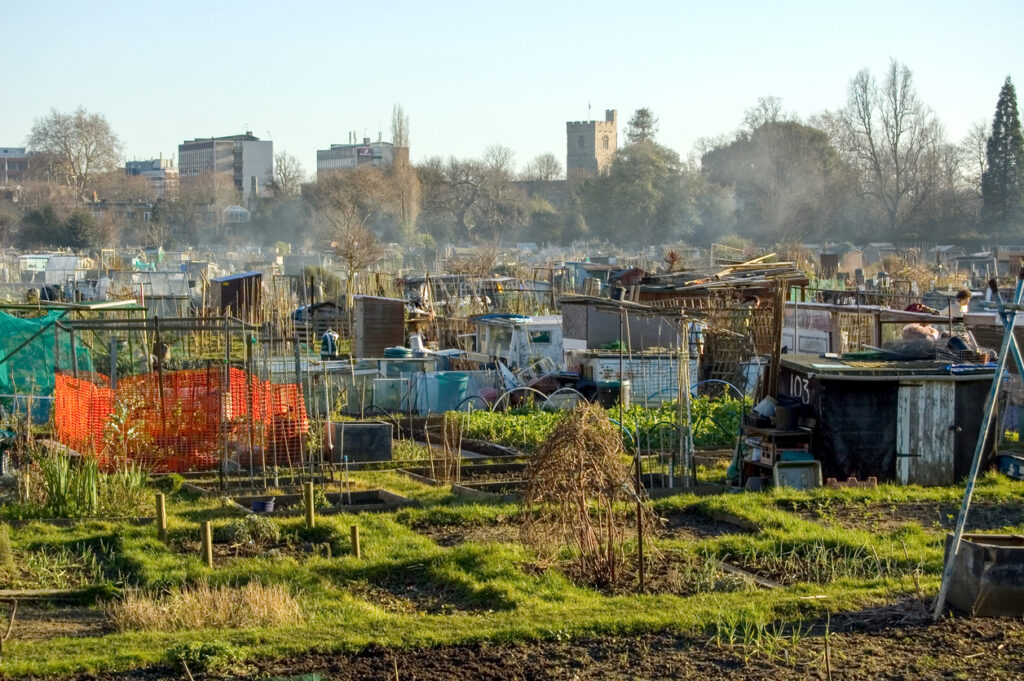
Yes, those precious shared gardens full of veggies and community spirit are up for grabs if your local council starts getting into too much debt. It’s not just about funding cuts, either. Recent local government rules make it legal for councils to sell these greenspaces to raise quick cash, and that has campaigners seriously worried. Here’s a look at what’s going on and why allotment lovers everywhere are sounding the alarm.
1. Councils are selling allotments to plug budget gaps.
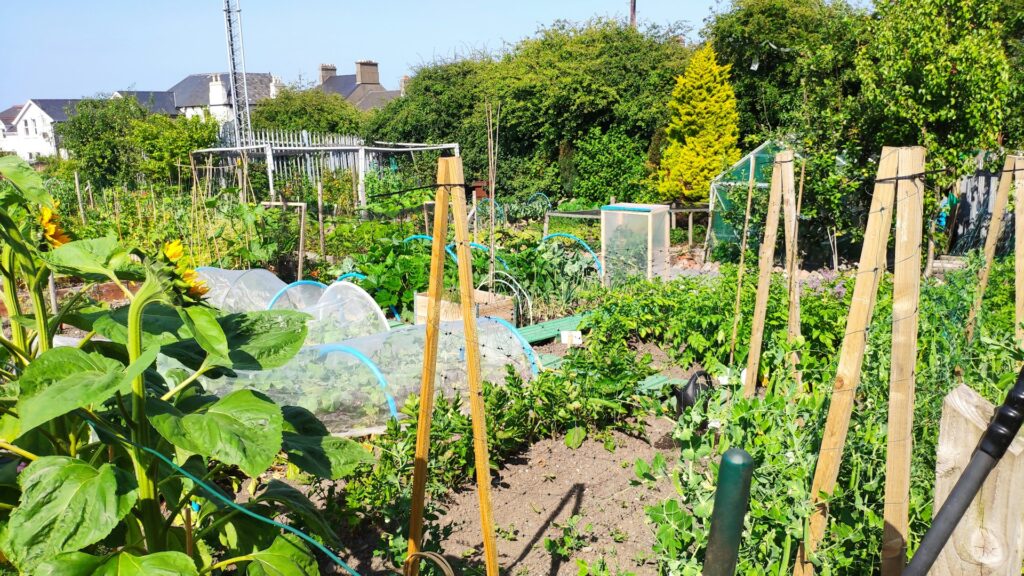
Following new rules, councils can now sell off public assets, including allotments, to cover day‑to‑day spending, and it’s already happening. All over the country, sites that people have cared for over decades are being listed for sale and snapped up for development. These moves stem from emergency debt notices that force councils into fire‑sale mode to stay afloat. Suddenly, these community gardens become fundraising opportunities, not protected green havens.
2. Legal protections exist, but only if councils follow the rules.
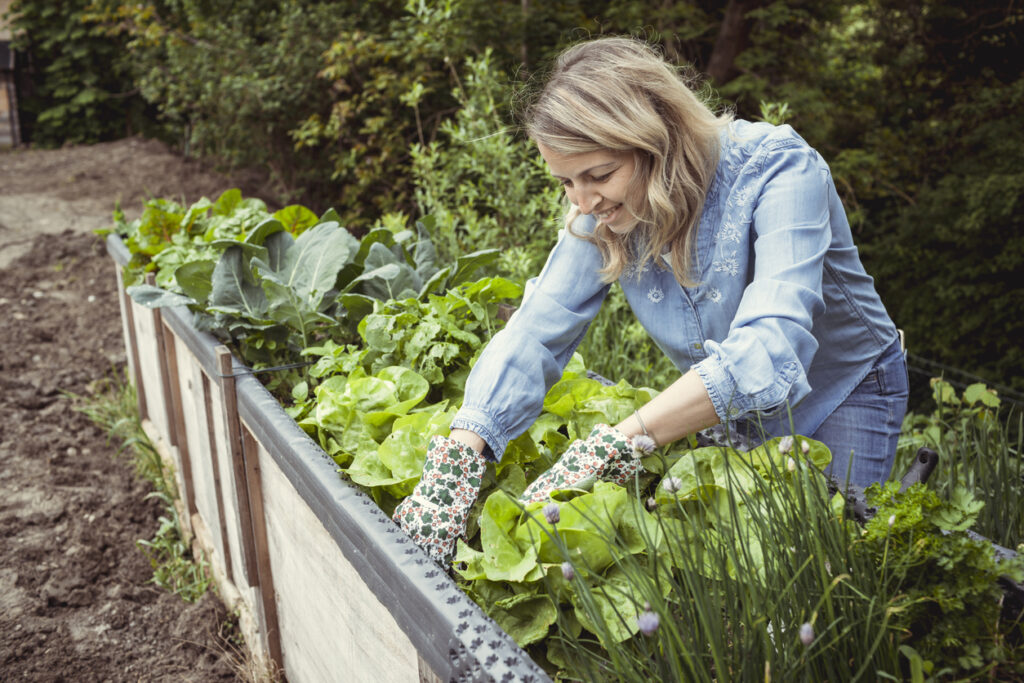
Allotments that are legally recognised get extra protections, but it’s a bit of a loophole maze. Councils have to consult the public and offer replacements in some cases, but those steps don’t always guarantee the site will be saved. If your plot isn’t legally “statutory” or is built on leased or private land, those protections might not apply at all. That means your veg patch can disappear with a bit of paperwork and a nod from the council.
3. Local growers are losing plot space and community spirit.
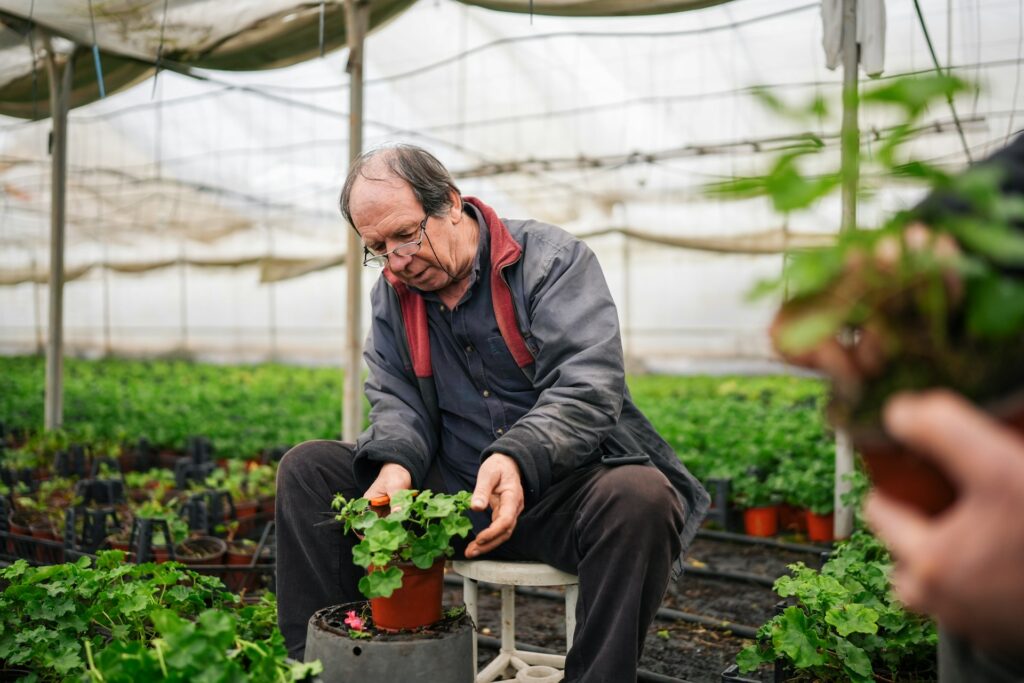
When allotments get sold, people don’t just lose soil—they lose the community around it. Swapping courgettes, chatting over fences, and teaching the next generation how to dig all vanishes the second the bulldozers show up. Even when alternative plots are offered, they’re often further away or harder to access. For people who’ve built their routines, friendships, and even mental health recovery around their plots, that kind of change hits hard.
4. Once sold, allotments often don’t come back.
Sadly, when an allotment gets sold to a developer, it’s not coming back as a garden. Most get turned into housing or car parks, and even if people fight it, the land rarely returns to public use. It’s frustrating because so many of these places have history. Some are over a century old. However, once the concrete’s poured, that history’s buried for good.
5. It reshapes who gets to access gardening space.
Not everyone has a garden at home. For a lot of people, especially in flats or rented homes, an allotment is their only green space. Selling them off limits gardening to those who can afford private space, which just makes inequality worse. It turns something that’s supposed to be shared and healing into something exclusive, and it means that people who already have the least are the ones losing out, again.
6. Community trust takes a hit when they’re treated as assets.
People don’t see allotments as just bits of land. Instead, they see them as part of their community’s soul. So when councils start selling them off, it feels like a betrayal. Like your time, care, and commitment didn’t matter. Even if it’s legal, it still hurts, and once people stop trusting their council to protect public spaces, it makes everything harder, especially when future community projects come around.
7. The decision-making feels top-down.
In theory, communities get a say before allotments are sold. In practice, it often feels like a box-ticking exercise. People are informed after the big decisions are made, and by then the deals are already halfway done. There’s a sense that councils are making calls from meeting rooms, not walking the sites or speaking to the people who use them, and that disconnect shows.
8. People feel forced to become campaigners overnight.
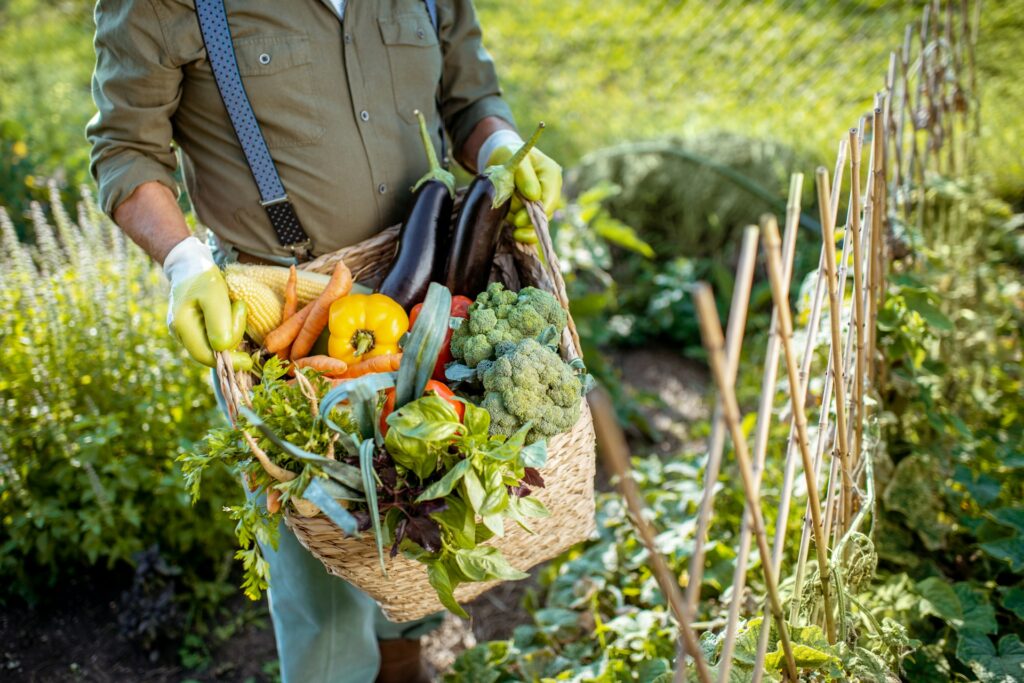
Allotment holders just want to grow stuff. They don’t want to spend their weekends on petitions, attending council meetings, or trying to understand land law. However, when a sale’s announced, that’s exactly what they have to do. Some end up leading huge campaigns just to protect a patch of land they’ve quietly cared for. It’s exhausting, and most people are doing it unpaid, with no experience in legal battles or media.
9. Kids lose out on outdoor learning.
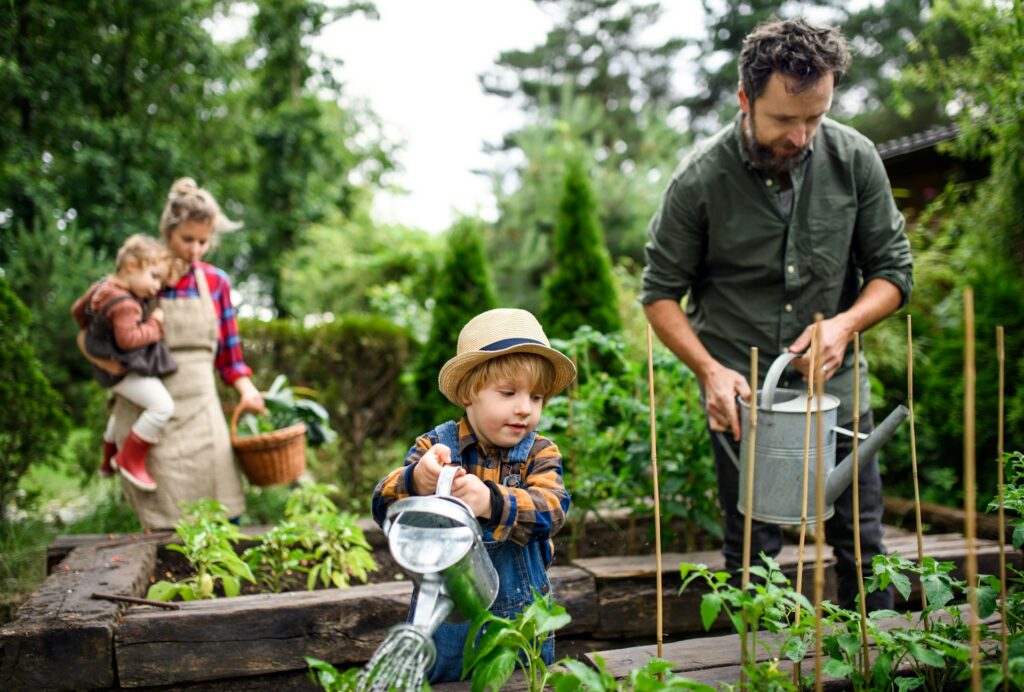
Lots of allotments double as informal classrooms. Parents bring their kids down, schools sometimes visit, and young people get the chance to learn about food in a hands-on way. When those spaces vanish, so does that kind of learning. It might not sound dramatic, but being able to pick strawberries you’ve grown or see worms in real life beats any PowerPoint in a classroom. That experience stays with people, and it’s disappearing.
10. Wildlife takes a hit too.
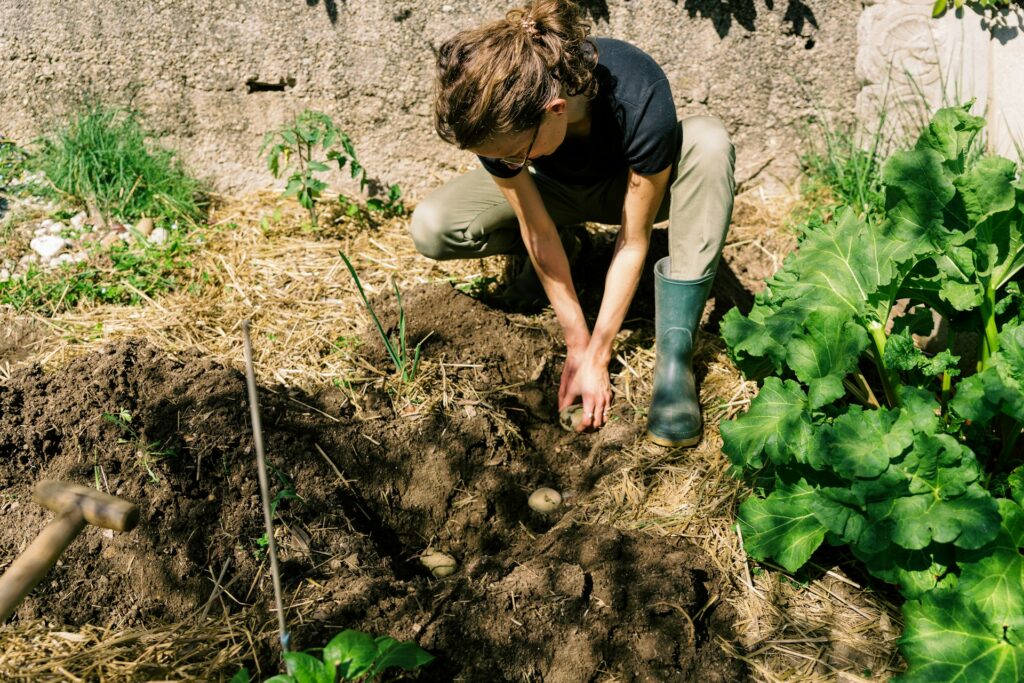
Allotments aren’t just for humans. They’re buzzing with bees, home to frogs, birds, and foxes, and often way more biodiverse than your average park. When they’re paved over, all that mini wildlife loses its habitat too. It’s a silent loss, one most people don’t notice until it’s gone, but it makes cities feel just a little more lifeless.
11. Mental health support disappears with the plants.
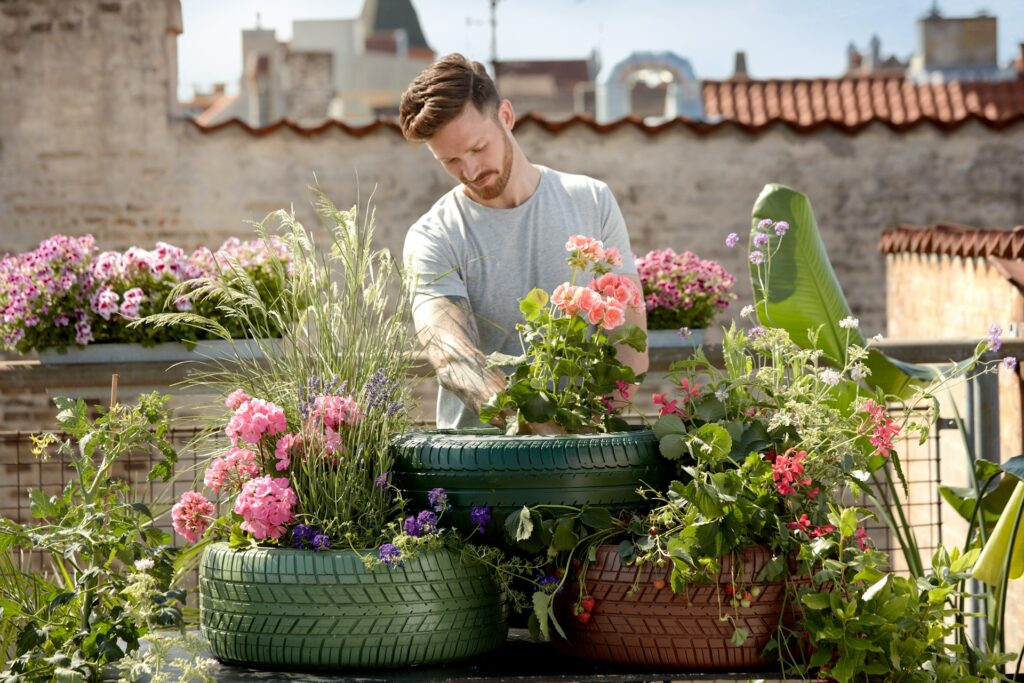
Ask anyone who’s had a tough year—digging, weeding, and just sitting in an allotment can be surprisingly healing. It’s grounding, and for people who struggle with anxiety, grief, or isolation, those spaces are a lifeline. When allotments are sold, it’s not just about lost food. It’s about lost coping mechanisms. Lost reasons to get up and out. That kind of support doesn’t get replaced with a block of flats.
12. People can’t afford to buy them back.
Even when community groups try to raise money to protect allotments, they’re often priced out. Developers have cash, legal teams, and speed on their side. Local people have spreadsheets and cake sales. It’s an unfair fight, and councils know it, which makes it even more frustrating when they choose to sell rather than support long-term community stewardship.
13. Once trust is broken, future green projects suffer.
People are way less likely to join new gardening schemes or invest in local projects when they’ve seen their last one disappear. Why put time and effort into something if it might get sold off next year? It leaves a sour taste and puts future greening efforts on the back foot, especially when we’re being told to grow more food, get outdoors more, and support nature. It’s hard to do that if your council keeps selling the space you’d do it in.