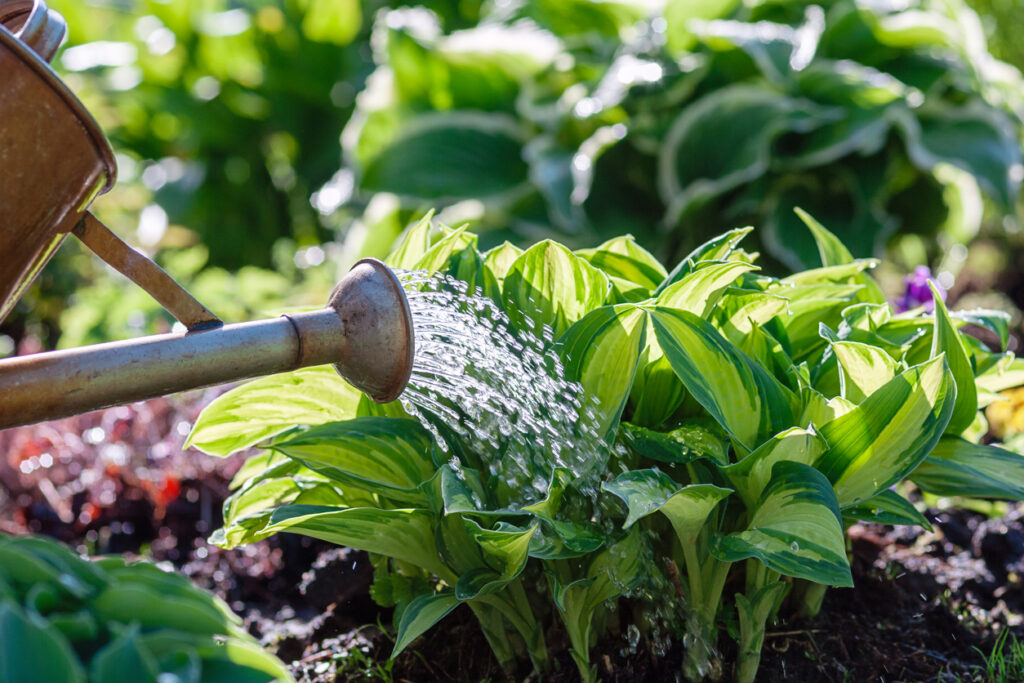
You’ve probably heard it before: “Don’t water your plants in the sun, or the leaves will burn.” It’s a common bit of gardening advice, often repeated like fact. But how much of it is actually true? And is watering in the sun really that risky for your plants? The truth’s a bit more nuanced than most people think. Here’s what’s really going on when sun hits water droplets on leaves, and when (and if) you should worry about it.
Water droplets don’t act like magnifying glasses.
One of the most common myths is that water droplets focus sunlight like little magnifying glasses and scorch the leaves. But in most cases, this just isn’t how light or water works on plants. Leaves aren’t flat like paper, and the angle of the sun usually prevents that kind of concentrated burn. There’s very little evidence that this effect happens at all in typical garden settings. In fact, most leaf burn blamed on midday watering is more likely caused by something else, such as heat stress or fungal disease.
The real danger is from fungal growth, not sunlight.
Water sitting on leaves can sometimes lead to trouble, but not because of the sun. The bigger risk is that moisture can linger, especially in shaded or humid areas, and create a perfect breeding ground for fungi. This is more of an issue in the evening than midday because cooler temperatures and reduced evaporation allow that moisture to hang around longer. So if you’re watering late, give leaves time to dry before nightfall.
Some plants actually like being sprayed on the leaves.
Not all plants mind a bit of overhead watering. Tropical plants, like ferns and calatheas, often benefit from a light misting, especially if the air is dry. It mimics the humidity of their natural habitat. As long as your plant isn’t prone to fungal issues, and it’s getting enough airflow, spraying the leaves isn’t something to panic over. Just be smart about timing and environment.
It’s the roots that need water, not the leaves.
When it comes down to it, leaves don’t absorb much water. They’re more for breathing and photosynthesis. The roots are what actually drink, so watering the soil directly is the most effective way to hydrate your plants. Top-watering over leaves can feel satisfying, but it doesn’t do much for the plant’s thirst. If you want to avoid disease and make your watering count, aim for the base of the plant instead.
Leaf burn usually comes from chemicals, not the sun.
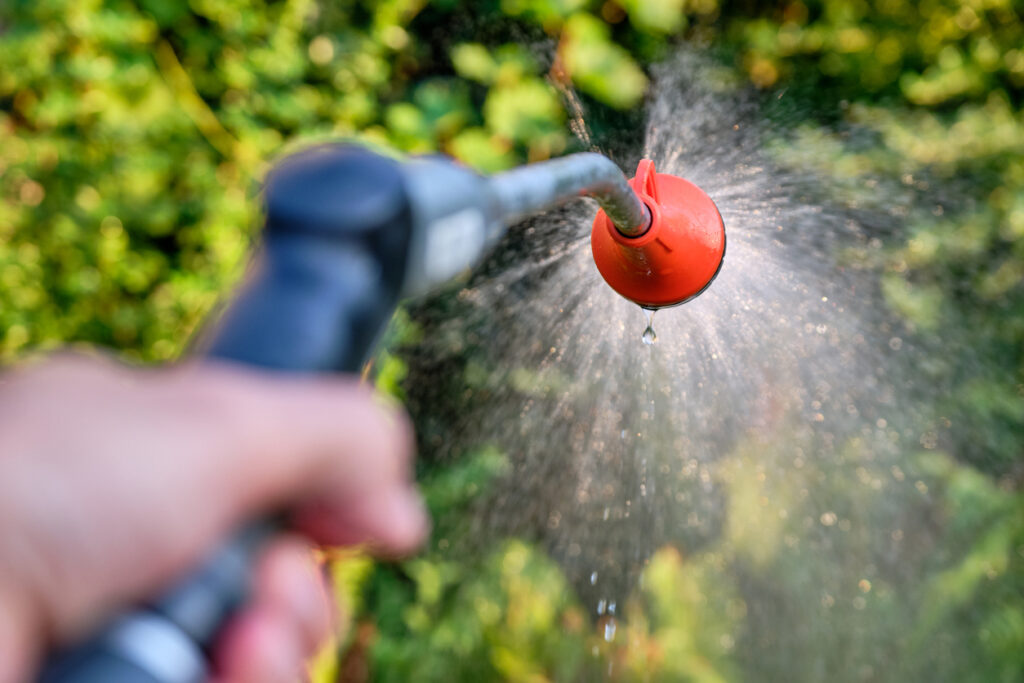
If you’ve ever seen leaves with dry, brown edges after watering, it’s more likely due to mineral build-up or something in the water, such as chlorine, salt, or fertiliser, not the sun burning water droplets. This is especially true for houseplants or those watered with tap water regularly. If in doubt, let tap water sit before using, or switch to rainwater for sensitive plants.
In hot weather, midday watering still isn’t ideal.
While leaf burn from sun + water is rare, watering in the middle of a hot afternoon can still cause issues. The water evaporates quickly, meaning less of it reaches the roots where it’s needed most. Plus, it’s just less efficient. You’ll use more water and get less benefit. Early morning is usually the sweet spot. It hydrates the plant before the heat sets in, and any water on the leaves dries off quickly.
Some plants are more sensitive than other people.
Delicate plants like tomatoes, begonias, or African violets can sometimes react badly to water on their leaves, especially if it’s hard water or applied during intense sun. These plants do better with direct root watering only. If you’re ever unsure, look up your plant’s preference. Some are picky about moisture and will show it fast, while others really don’t care where the water lands.
Gardeners in hot, dry climates rarely worry about this.
In places where the sun is strong and air is dry, water evaporates so quickly that leaf damage from droplets is almost never an issue. In fact, overhead watering is sometimes the only way to cool plants down fast. In these conditions, mildew and rot are less likely, and a bit of water on the leaves can even help reduce heat stress. Just don’t count on it for deep hydration.
Drip irrigation helps avoid the whole issue.
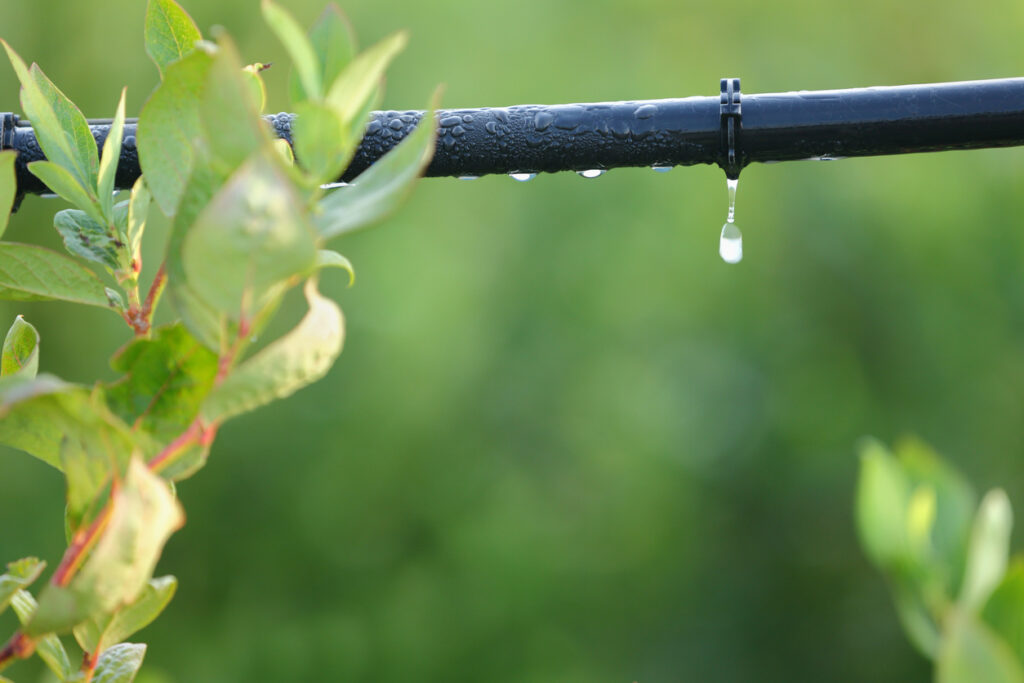
If you want to be precise and efficient, drip irrigation systems deliver water directly to the soil and roots, with zero waste or risk of fungal problems. It’s especially useful for raised beds or rows of thirsty crops. You don’t need anything fancy, just a few basic tubes and a timer can make a big difference. Oh, and you’ll never have to worry about whether you splashed the leaves too much.
Bottom line: the “burn” risk is mostly myth.
At the end of the day, watering leaves in the sun isn’t going to set your plant on fire. The idea of water droplets acting like lasers just doesn’t hold up. But watering smartly—at the roots, at the right time—still gives your plants the best chance to thrive. So, if you absolutely have to water during the day, don’t stress. Just aim low, avoid soaking everything, and know that your plants are tougher than the myths give them credit for.