Sharks have been swimming the oceans for over 400 million years, long before dinosaurs showed up, and definitely before humans started making movies about them.
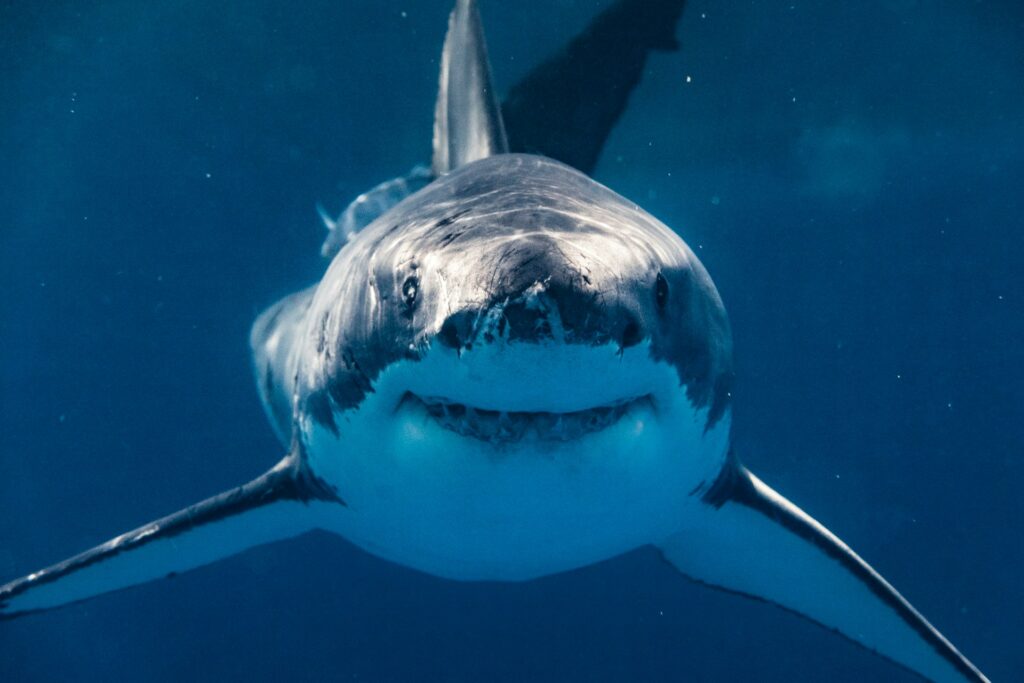
Sadly, today, their numbers are dropping fast, and it’s not just due to overfishing or habitat loss. The way we talk about sharks, the stories we tell, and the fear we feed through pop culture are all quietly playing a part. It might sound strange, but the more we paint sharks as monsters, the harder it gets to protect them. Here’s how our own media obsession is making life harder for one of the planet’s most ancient predators.
The “man-eater” myth just won’t die.

Most people will never see a shark in real life, but they’ve seen one on screen, usually mid-attack. Films like “Jaws” and endless shark-themed horror movies have embedded this idea that sharks are just waiting to eat you the second you touch the ocean. In reality, shark attacks are extremely rare, and most species want nothing to do with humans.
This image of sharks as bloodthirsty killers makes it harder to generate sympathy when they’re endangered. People are less likely to care about protecting an animal they’ve been trained to fear. And that fear has stuck around for decades, even though the facts tell a very different story.
Fear sells, but it distorts reality.
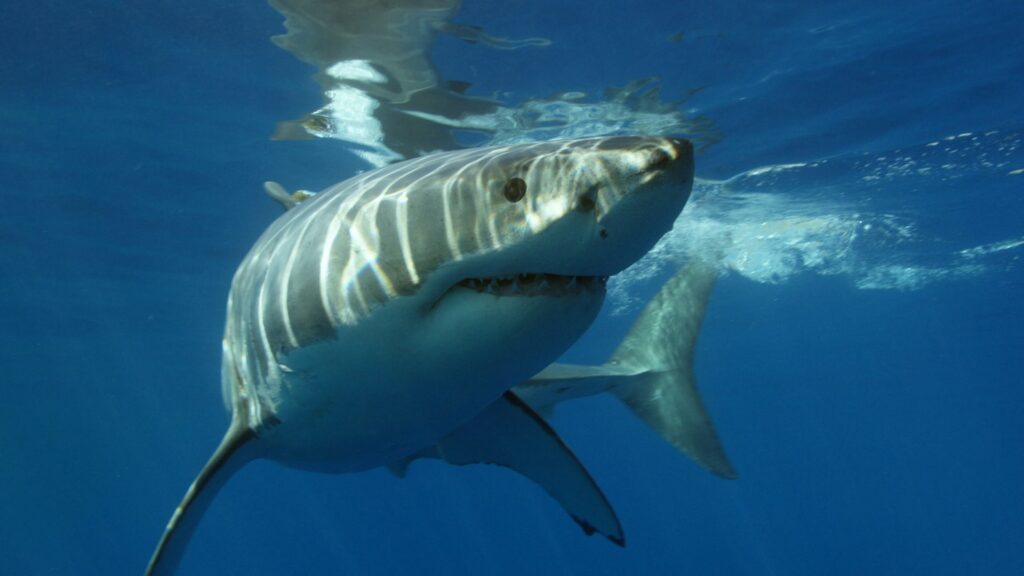
TV shows and documentaries often lean into drama when it comes to sharks. You’ll see music building suspense, dramatic voiceovers, and clips stitched together to make them seem aggressive or unpredictable. That might make for exciting viewing, but it doesn’t reflect how sharks actually behave.
The more we consume this version of sharks, the more we internalise the idea that they’re a threat to us. In reality, humans are a far greater threat to sharks. And the imbalance between how dangerous they are and how dangerous we think they are can be the difference between protection and indifference.
Sharks are losing out on conservation funding.
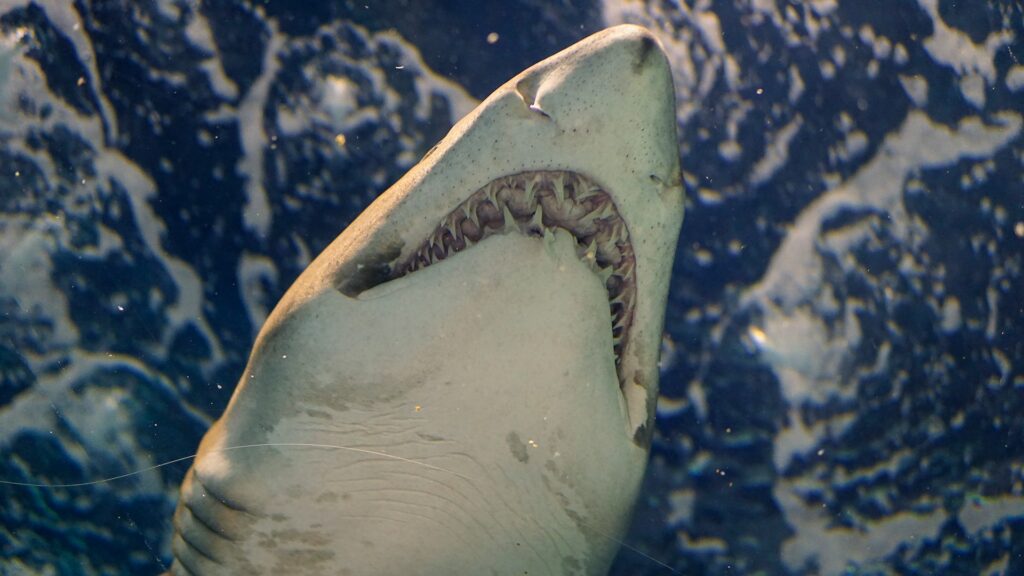
When people feel connected to a species, such elephants, pandas, or turtles, they’re more likely to support conservation efforts. But sharks don’t get that kind of PR. They’re not fluffy, wide-eyed, or easy to market as victims. And because of that, they often get sidelined when it comes to funding and public support.
The media doesn’t help. If the main narrative around sharks is that they’re dangerous, it’s hard to rally public compassion. They get framed as villains, not victims, even as their populations drop, and entire ecosystems start to shift without them.
Shark Week isn’t always on their side.
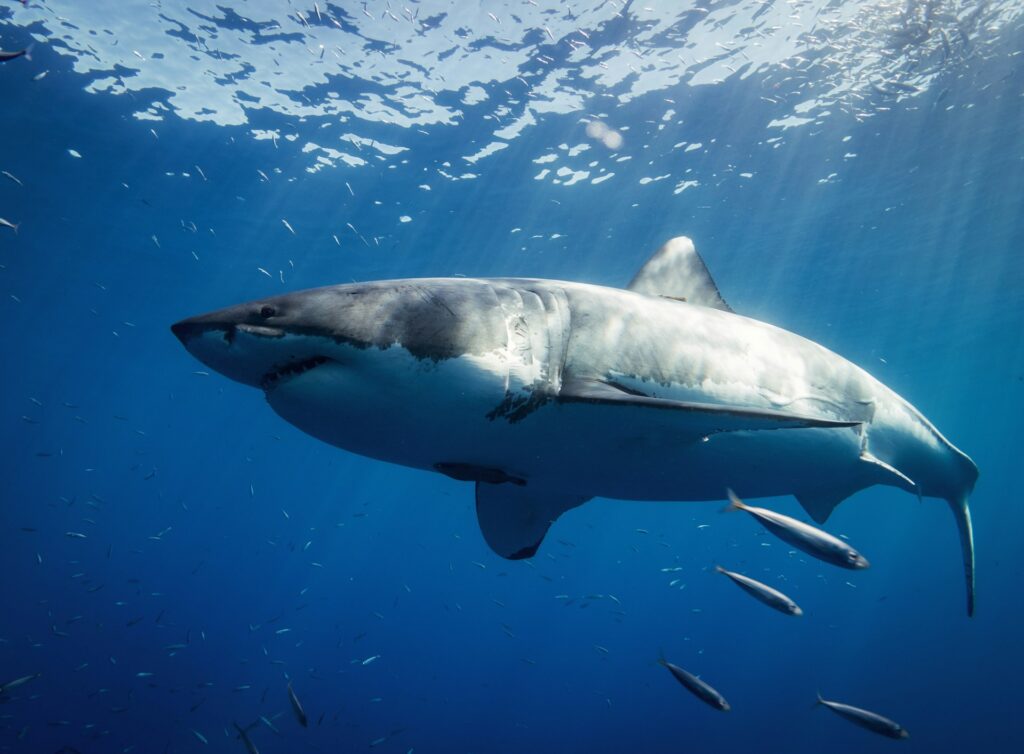
Shark Week was meant to educate and raise awareness, but over time it’s drifted more into spectacle than science. There’s still great content, but a lot of it leans into fear, exaggeration, or outright fiction to keep viewers hooked. “Mega sharks,” “killer instincts,” and “when sharks attack” are still common themes.
Instead of changing how we see sharks, it can reinforce the same old fears. When it’s the most high-profile event about sharks each year, that matters. It shapes public opinion, especially for people who don’t go beyond what they see on screen.
Pop culture ignores the real threats they face.
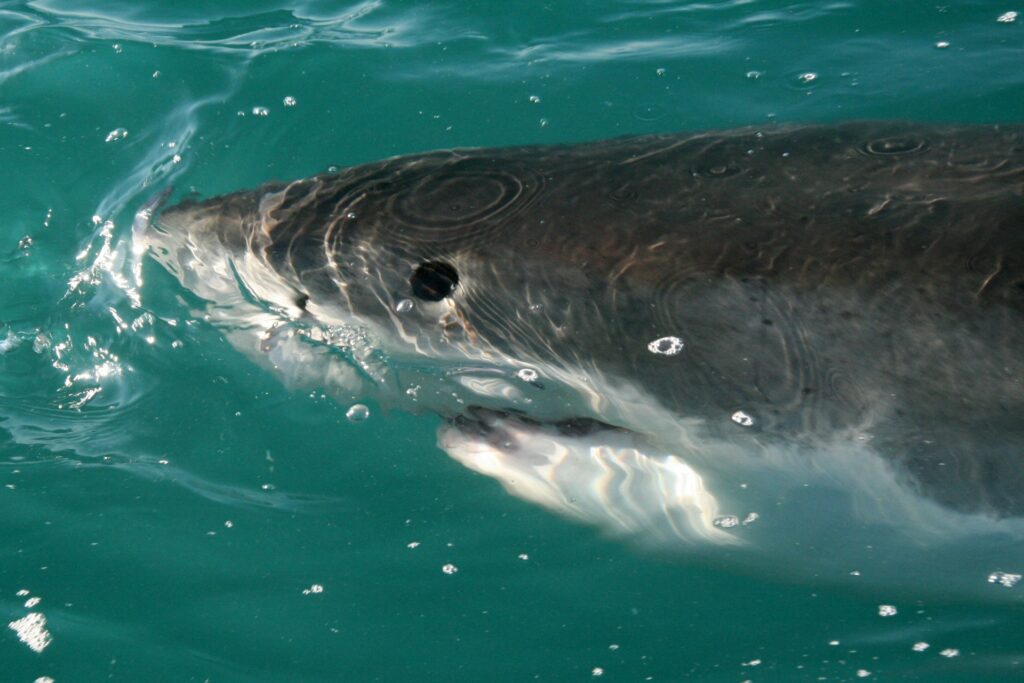
While films focus on finned predators stalking swimmers, the real threats sharks face are entirely human: industrial fishing, finning, bycatch, pollution, and shrinking habitats. These issues rarely make headlines or movie plots, because they’re less sensational, even though they’re far more devastating.
The gap between fiction and reality makes it harder to push for policy changes or stronger protections. When the average person thinks “sharks are doing fine,” or worse, that there are too many of them, the urgency to act gets lost in the noise.
Their ecological importance gets overshadowed.
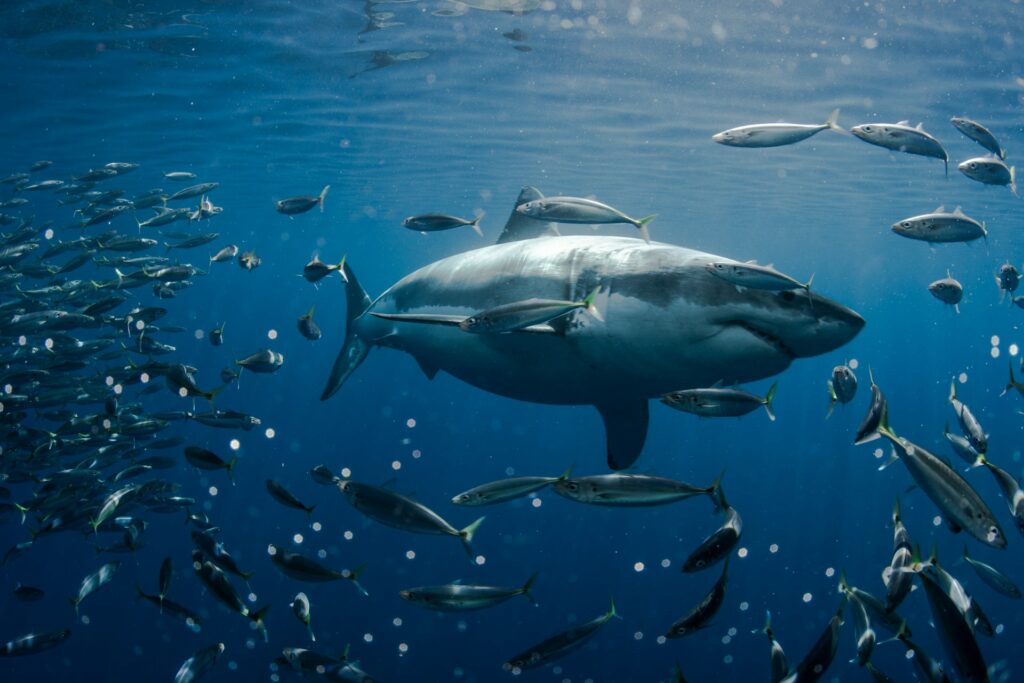
Sharks aren’t just apex predators; they’re key players in keeping marine ecosystems balanced. They regulate populations of other species, remove the sick and weak, and help keep coral reefs and seagrass beds healthy. Without them, whole food chains can collapse.
Unfortunately, you rarely see that side of them in entertainment. Instead of being portrayed as crucial to ocean health, they’re turned into jump-scare machines. That misrepresentation downplays just how important they are, not just for biodiversity, but for the future of the oceans we all depend on.
Even children’s media feeds the fear.
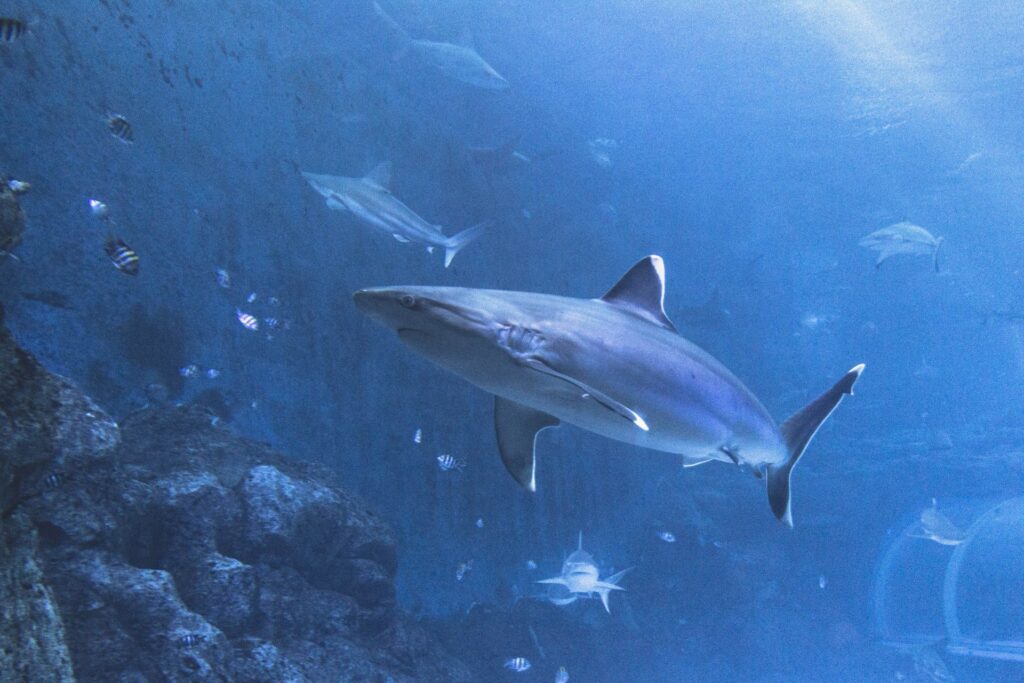
Cartoons, books, and kids’ films often cast sharks as the bad guy. From Finding Nemo to Saturday morning TV, the image gets set early: big teeth equals danger. Even when they’re played for laughs, they’re still framed as something to be wary of. It seems harmless on the surface, but those impressions stick. By the time kids grow up, many already have a fear of sharks baked in, making them less likely to care if they hear about shark culls or population decline later on.
Shark finning isn’t front-page news.
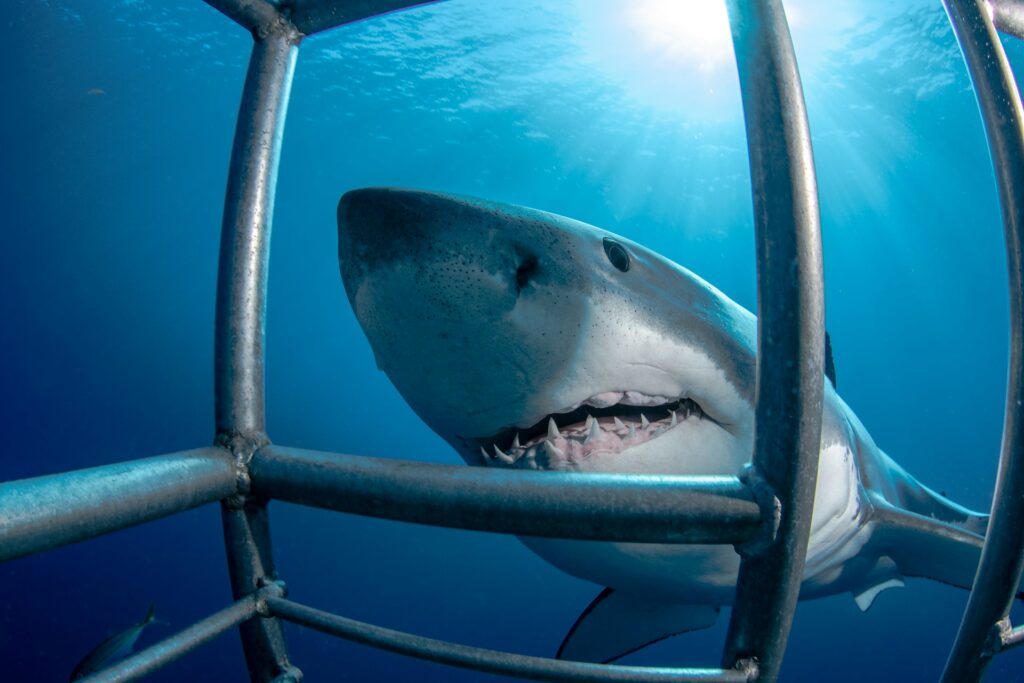
Millions of sharks are killed each year just for their fins, often tossed back into the sea to die after they’ve been mutilated. It’s a brutal practice with devastating consequences, but it barely gets a mention outside of conservation circles.
Pop culture doesn’t focus on these realities because they’re grim and uncomfortable. But ignoring the issue lets it continue, quietly, while public energy gets spent on fictional shark attacks instead. Awareness is the first step to pushing for bans and real enforcement.
We’ve made fear more “fun” than facts.
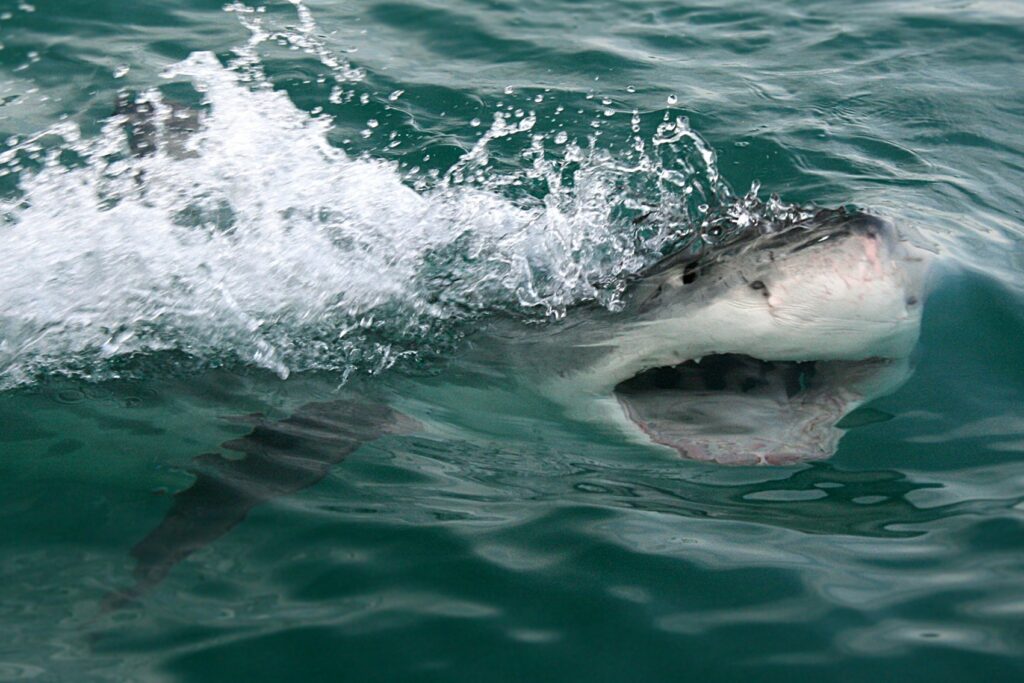
Shark-themed merchandise, horror films, memes, and online jokes all trade on fear. Even when it’s tongue-in-cheek, it keeps the same core message going: sharks are terrifying. The problem is, that cultural backdrop drowns out the truth. Facts about shark behaviour, intelligence, or vulnerability don’t spread the same way a viral shark panic does. So, while shark toys and t-shirts might be everywhere, the message they send is rarely one of respect, understanding, or urgency.
People underestimate how much they matter.
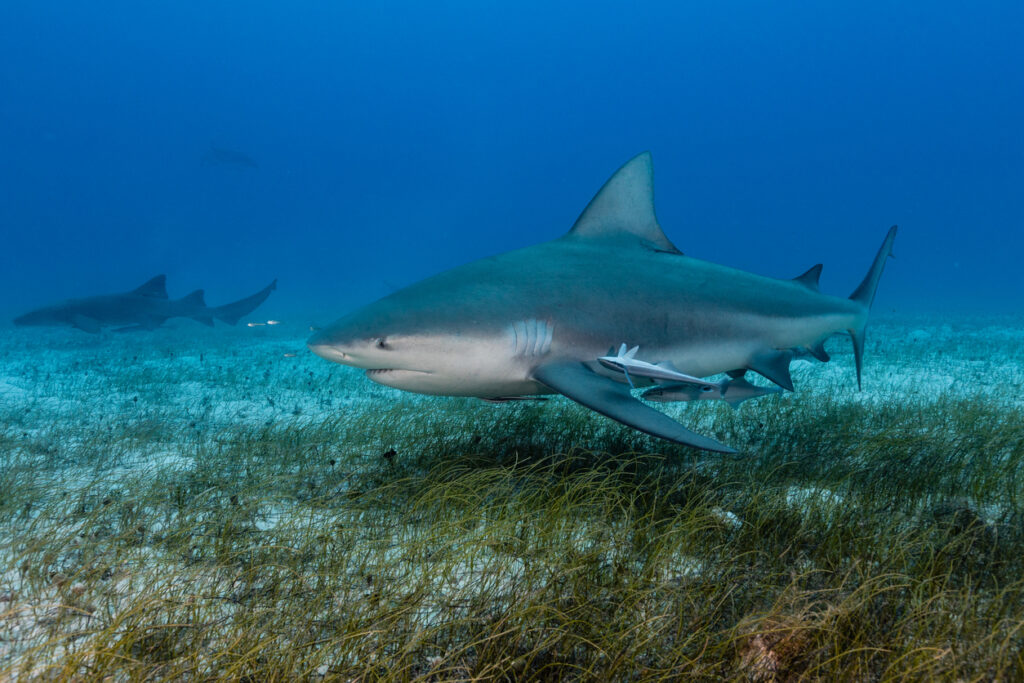
When sharks disappear, the effects ripple across entire ecosystems. Fish populations shift. Coral reefs weaken. Balance gets lost. But these knock-on effects don’t get shown in the media the same way a dramatic bite does. As a result, people assume sharks are optional, like something we can afford to lose.
The reality is very different. Sharks matter not just for the health of the ocean, but for the balance of the entire marine food web. Saving them isn’t about sympathy; it’s about survival, long term. But until more people understand that, the fight to protect them stays harder than it needs to be.