It’s easy to assume that fragrant flowers only thrive in sunny spots, but plenty of beautifully scented plants are actually well-suited to shadier areas.
Whether your garden is tucked beneath trees, along a north-facing wall, or just doesn’t get a lot of direct sun, that doesn’t mean you have to miss out on amazing smells. Some blooms even do better out of the heat and glare, with their scent lasting longer in cooler conditions. Here are 13 floral choices that bring fragrance to those overlooked corners of your garden.
1. Lily of the valley
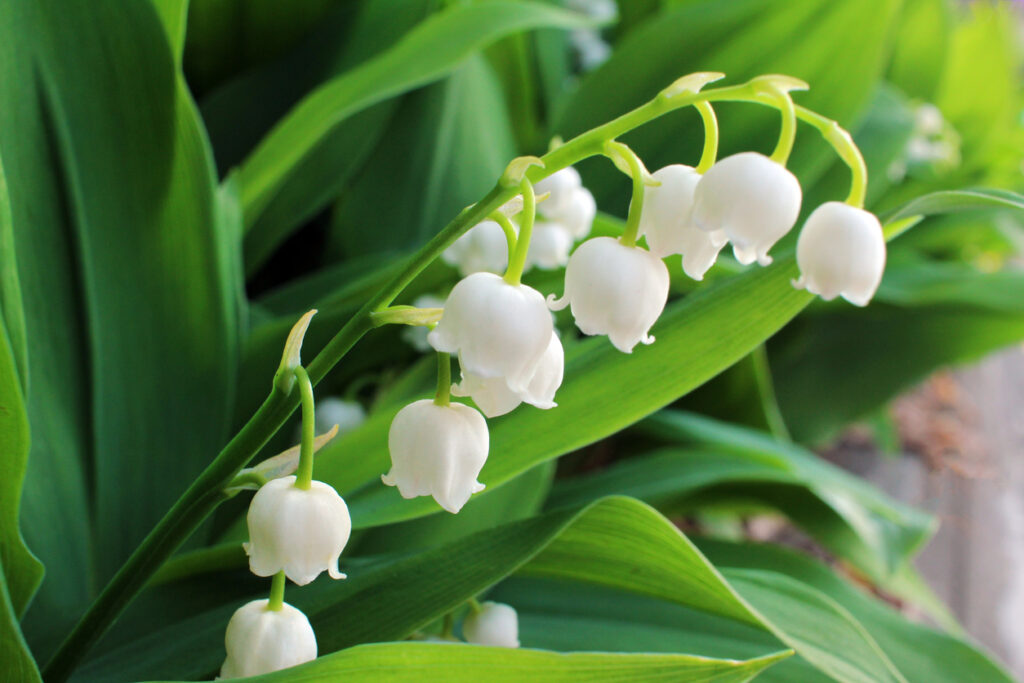
This tiny, delicate-looking plant is a powerhouse when it comes to scent. Its small bell-shaped flowers produce a strong, sweet fragrance that fills a shady corner in spring. It spreads by underground rhizomes, making it a good choice for ground cover where other things might struggle.
It prefers partial to full shade and moist soil, and once it’s established, it needs very little from you. Just a heads-up: despite the innocent appearance, it’s toxic if ingested, so keep it away from curious pets or kids.
2. Sweet box (Sarcococca)
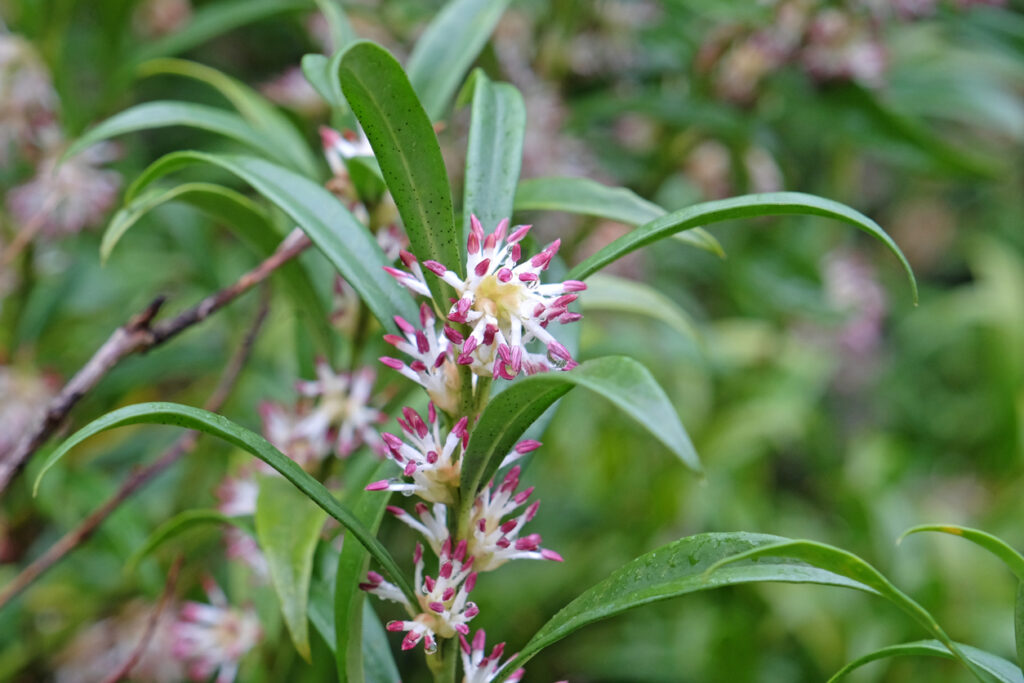
Sweet box is a slow-growing evergreen shrub that thrives in full shade and puts out tiny white flowers in winter. You might not notice them at first glance, but the scent is powerful: sweet, spicy, and surprising on a cold day. It’s perfect near a doorway or along a shaded path where you’ll catch the fragrance as you pass. Plus, it keeps its glossy green leaves year-round, so it’s always adding something to the space, even when not in bloom.
3. Daphne odora
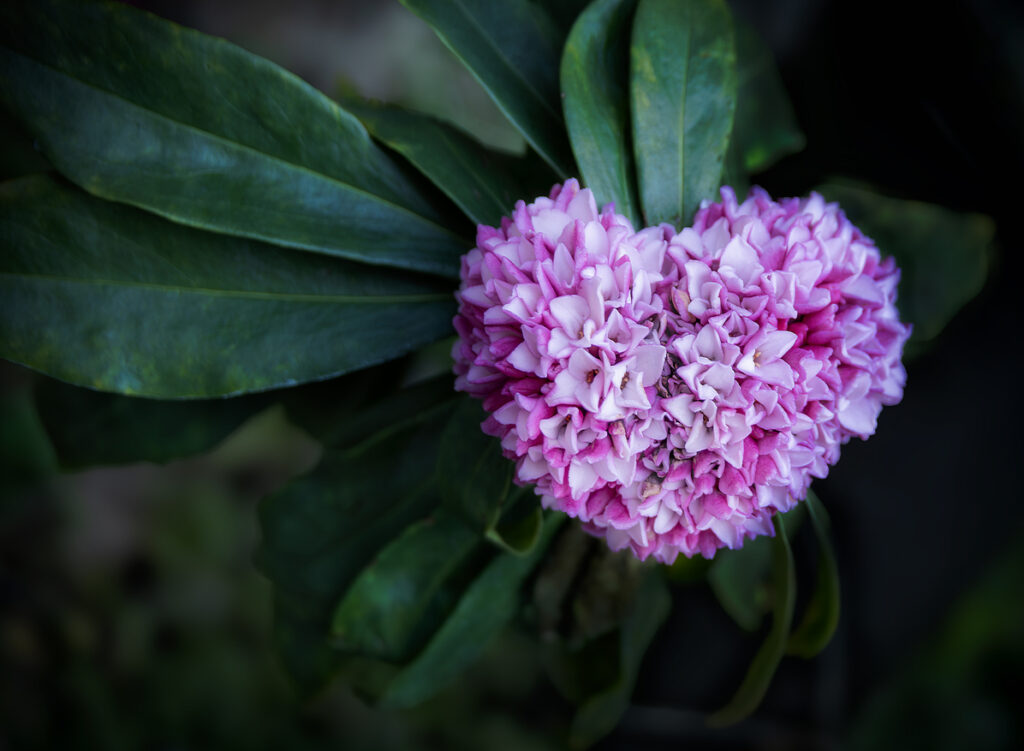
Daphne is a bit fussy but absolutely worth the effort. It blooms in late winter to early spring, producing intensely fragrant clusters of pink or white flowers that thrive in partial shade. The smell is citrusy and floral, and it can travel a good distance. It prefers well-drained soil and hates being moved, so plant it where it can stay put. It’s not the longest-lived shrub, but when it’s happy, it’s one of the most rewarding shade-tolerant scented plants you can grow.
4. Hosta ‘Guacamole’
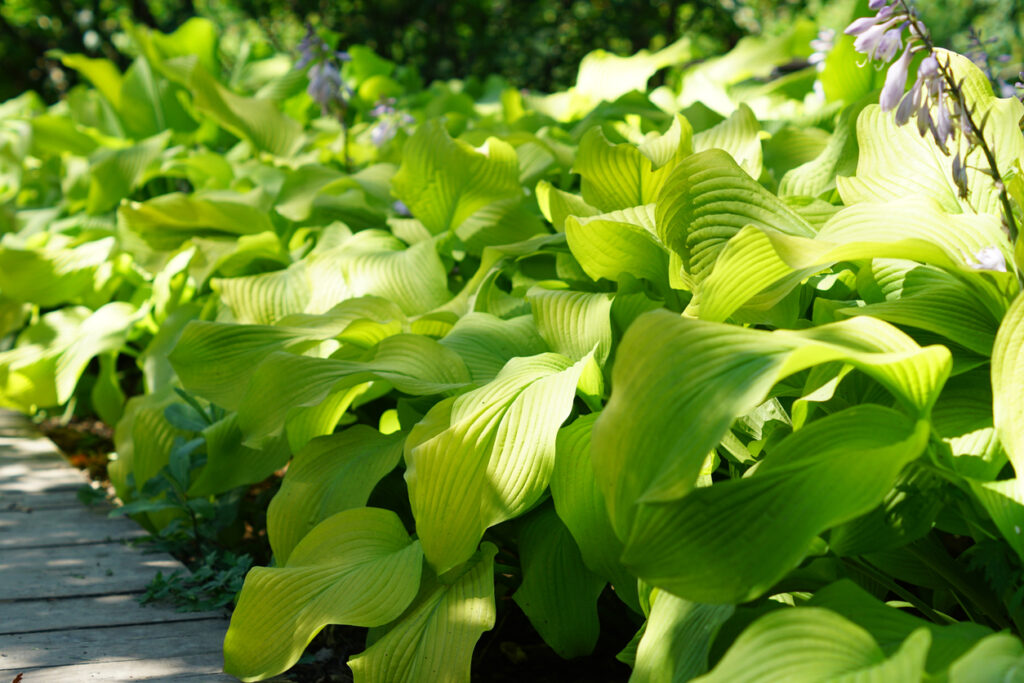
While most hostas are grown for their lush foliage, the variety ‘Guacamole’ stands out for its large, fragrant white blooms in late summer. It handles partial shade well and has big chartreuse leaves that brighten darker spots. The scent is often compared to lilies, and it’s strong enough to catch on the breeze. This makes it a great dual-purpose plant, one that offers both visual interest and a surprise hit of perfume in the later months of summer.
5. Honeysuckle (Lonicera periclymenum)
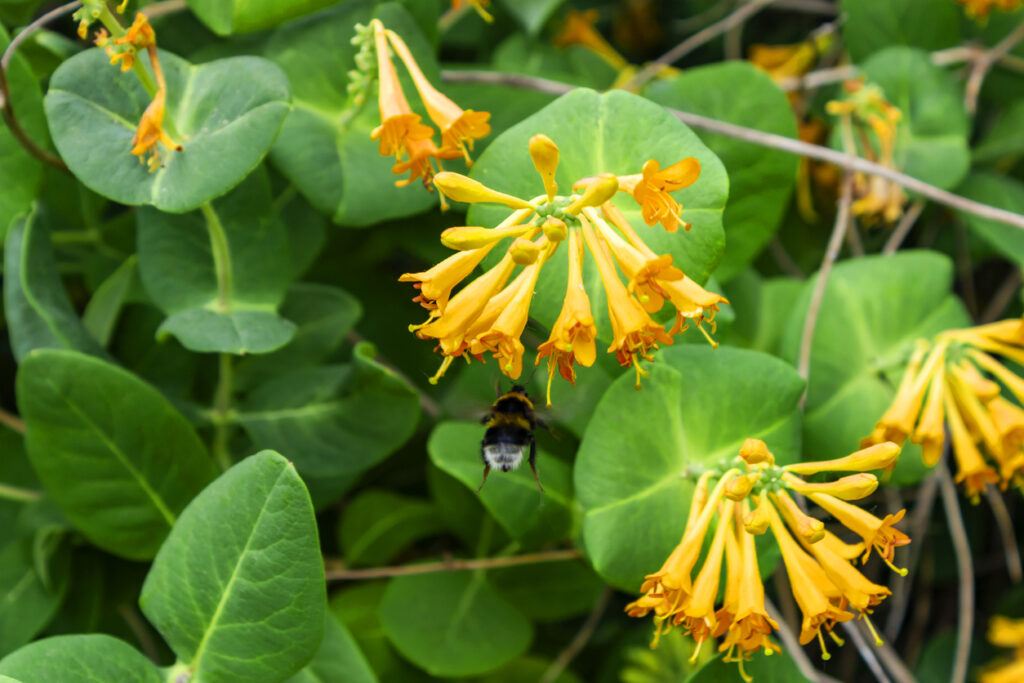
Not all honeysuckles need full sun. The native variety, Lonicera periclymenum, does just fine in partial shade and produces that classic, sweet-smelling bloom in summer. It climbs, so give it something to wrap around like a fence or pergola.
Its scent is strongest in the evening, making it a lovely pick near seating areas or windows. Plus, it’s brilliant for wildlife; pollinators love it, and birds enjoy the berries later on. A multitasker that brings scent, softness, and life to shaded spots.
6. Nicotiana (flowering tobacco)
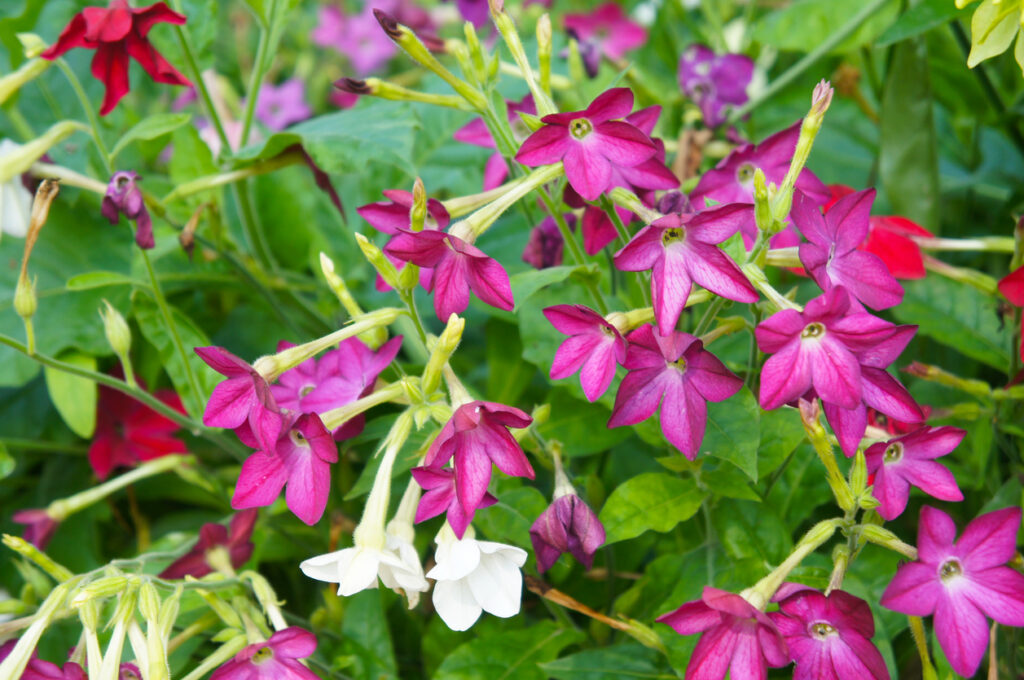
Nicotiana is a night-scented bloomer that really comes into its own as the day cools down. It prefers dappled shade and blooms through summer with long, tubular flowers in white, green, or pale pink that release a rich, heady fragrance at dusk. It’s easy to grow from seed and makes a great addition near seating areas where its scent can be appreciated in the evenings. Just don’t crowd it too much. It likes airflow to stay healthy and keep the fragrance from getting lost.
7. Mock orange (Philadelphus)
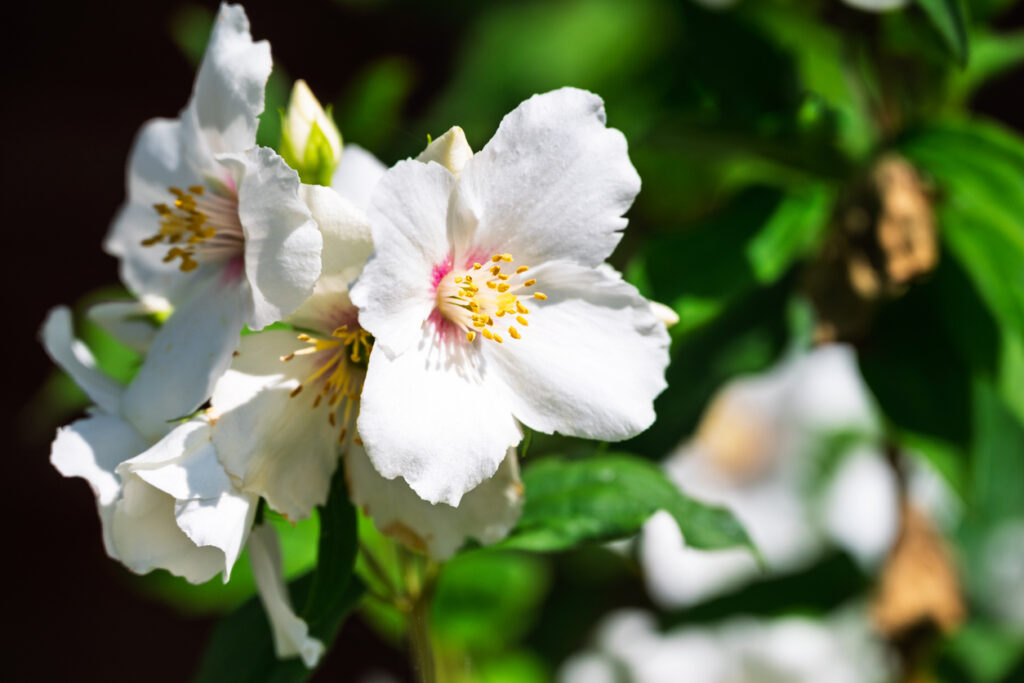
This shrub produces showy white flowers in early summer that smell like citrus blossom or orange sherbet, hence the name. While it does well in sun, many varieties also thrive in partial shade, especially if they get some morning light. It grows fast and can be pruned after flowering to keep it in shape. Even one plant can fill an entire section of the garden with scent, making it an excellent choice for hedges or standalone features in less sunny areas.
8. Viola odorata (sweet violet)
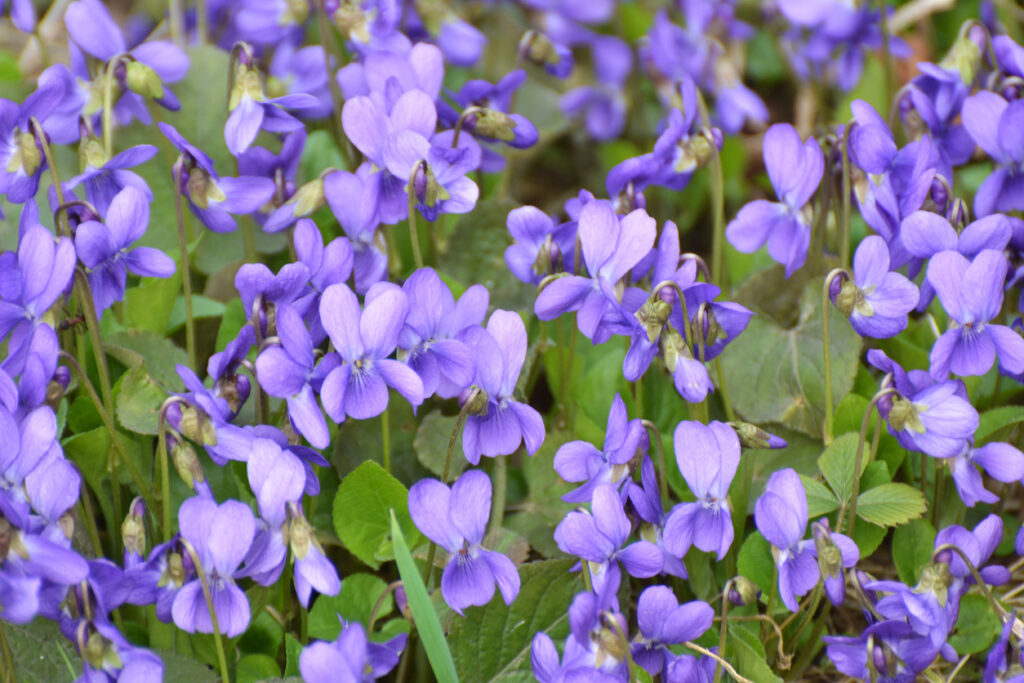
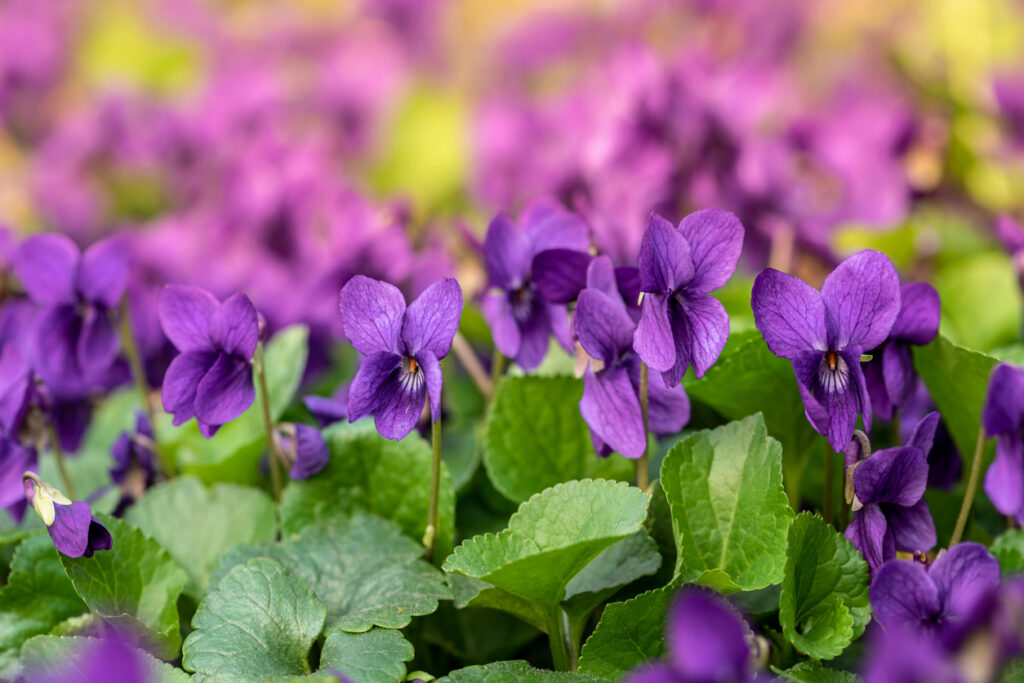
Sweet violets are low-growing perennials that are happiest in shady spots. They bloom in early spring and release a soft, powdery scent that’s subtle but lovely if you’re nearby. They’re often found in woodland-style gardens or under trees. These plants spread gently over time and can create a charming, scented carpet under taller shrubs. They’re also good for edging paths where their scent can surprise you as you brush past on a mild spring day.
9. Tuberose (Polianthes tuberosa)
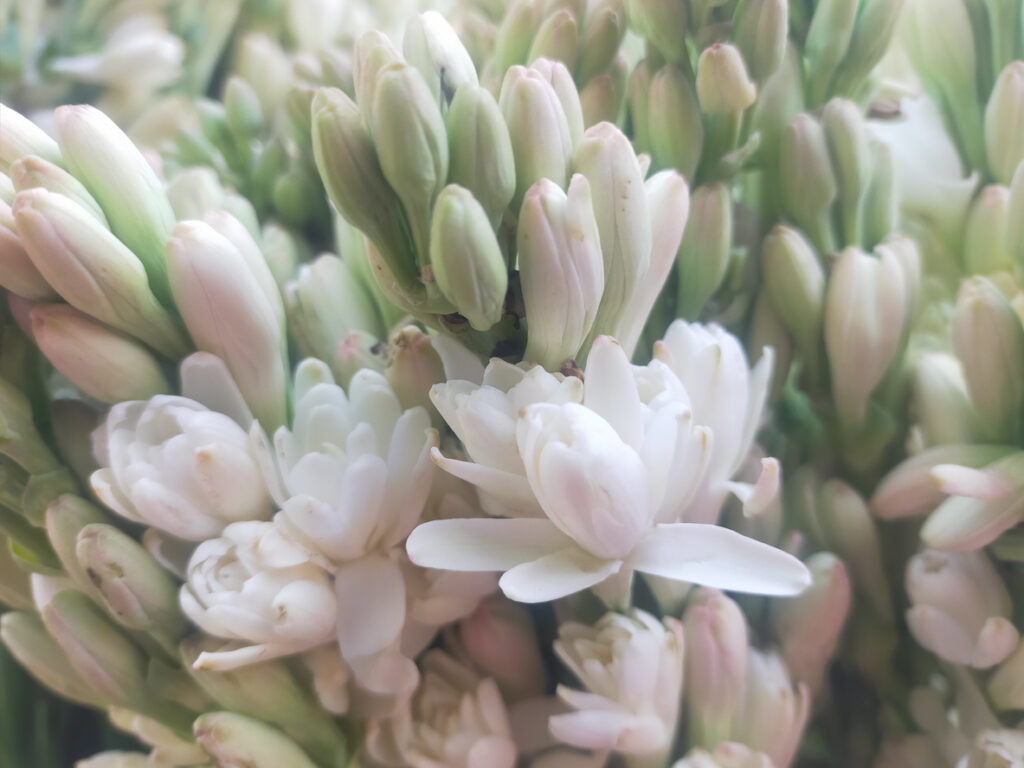
If you’re after a seriously strong fragrance, tuberose delivers. Though it prefers bright conditions, it can still bloom in partial shade, especially if you plant it in a sheltered, warm spot. The flowers are pure white and look almost waxy, with a scent that’s intense, creamy, and exotic. It does well in containers, so you can move it to find the right balance of light and protection. Just be prepared: when it’s in bloom, the scent can easily fill an entire patio or garden corner.
10. Mahonia
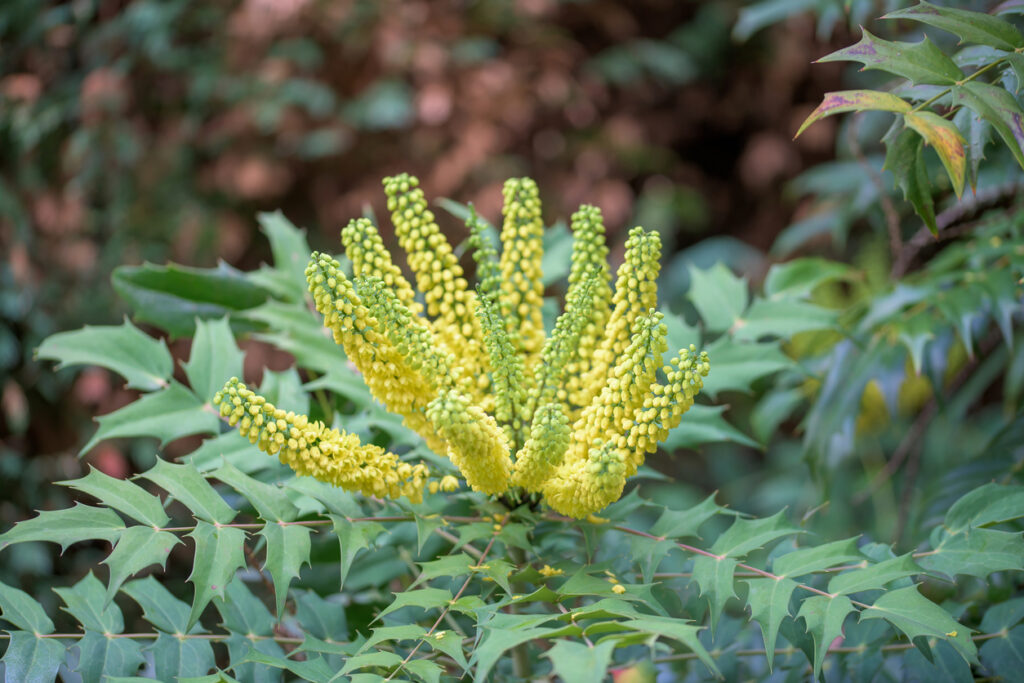
Mahonia is often grown for its architectural leaves, but it also blooms in late winter with clusters of bright yellow flowers that smell faintly like lily of the valley. It thrives in deep shade and can handle dry conditions better than most. It’s particularly handy for awkward, dark corners where nothing else seems happy. As an added bonus, it produces berries after flowering that birds love, making it another great choice for both scent and wildlife.
11. Osmanthus
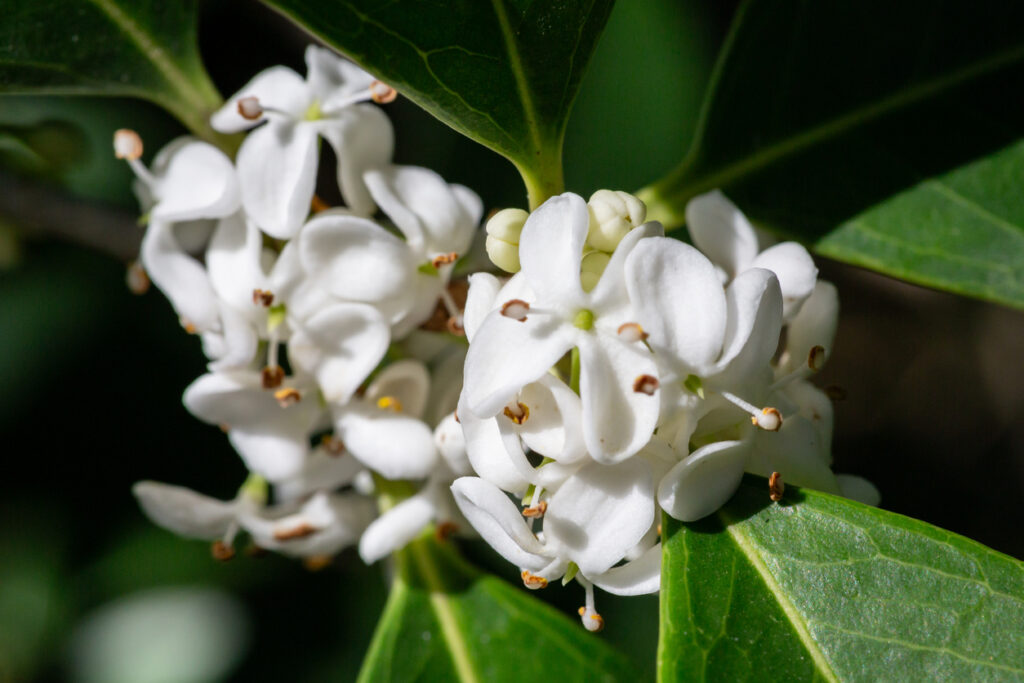
Osmanthus is a slow-growing evergreen shrub that produces tiny, almost invisible white flowers, but don’t be fooled. The scent is punchy and delicious, often compared to apricots or ripe peaches, and it lingers in the air surprisingly well. It’s tolerant of shade and works well as a background plant or low hedge. Since the blooms are so small, placing it near a path or doorway ensures the scent doesn’t go to waste. It’s an underrated gem that adds year-round value.
12. Hellebores
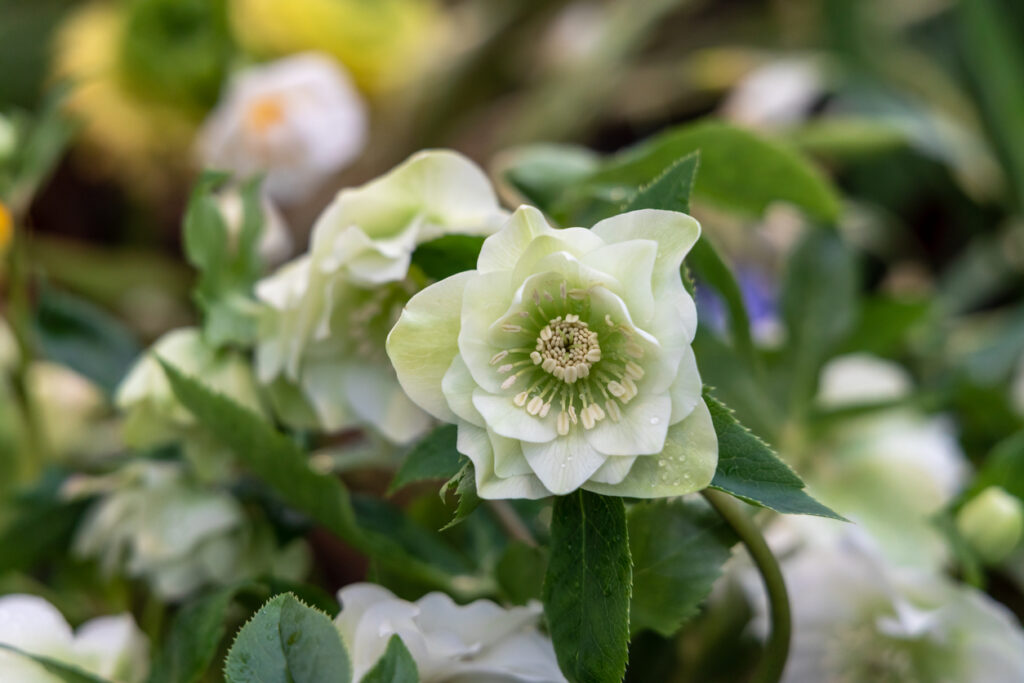
Most hellebores are subtle in the scent department, but some varieties, like Helleborus niger, have a light, sweet fragrance that can be appreciated close-up. They bloom in late winter to early spring, adding much-needed life to shady borders.
The flowers hold up well in the cold and come in a range of elegant shades from white and blush to deep burgundy. They’re not showstoppers in the fragrance department, but paired with more strongly scented plants, they complete a well-rounded shady garden bed.
13. Gardenia ‘Kleim’s Hardy’
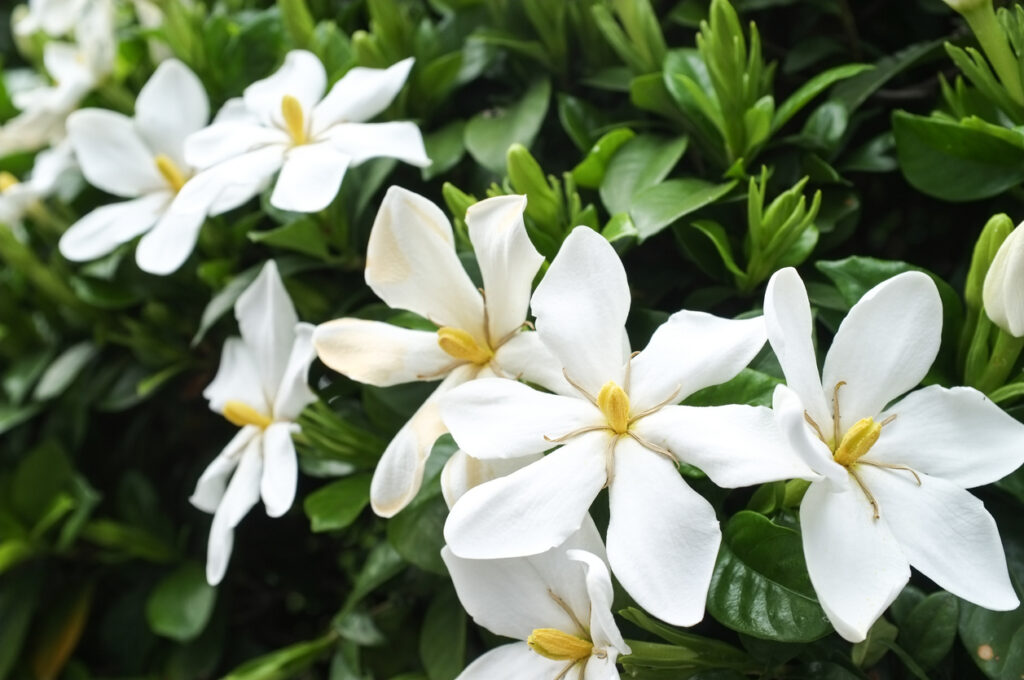
Gardenias are famously fragrant, but most need warmth and light. The ‘Kleim’s Hardy’ variety, however, can handle partial shade and cooler climates better than others. Its creamy white flowers smell strongly of vanilla and jasmine, giving off that classic, luxurious scent.
It needs shelter from frost and a bit of attention to soil (they like it acidic), but when it’s happy, it puts out multiple waves of blooms through the warmer months. Tuck it into a protected, shady nook and enjoy the indulgence.