Nothing ruins your cosy houseplant vibe faster than a swarm of tiny flies buzzing around your pots.

These little pests, usually fungus gnats, aren’t just annoying. If left unchecked, they can damage plant roots and multiply quickly. Luckily, there are plenty of easy, low-cost ways to deal with them before they can totally take over. Here’s how to get rid of those pesky houseplant flies and stop them from ruining your indoor jungle.
1. Let the top layer of soil dry out.
Fungus gnats lay their eggs in moist soil, especially near the surface. One of the easiest ways to break their cycle is to let the top few inches of soil dry out between waterings. This makes the environment less appealing to both the adults and their larvae. Most houseplants are fine with a little less water than you think, so don’t worry about underwatering unless your plant is particularly sensitive. A moisture meter can help take out the guesswork if you’re unsure.
2. Use sticky traps.
Those little yellow sticky cards are surprisingly effective. Insert one into the pot near the base of the plant and let it do its thing. The gnats are attracted to the colour and get stuck before they can lay more eggs. It won’t eliminate the problem on its own, but it helps reduce the adult population fast. Plus, seeing how many you’ve caught can help you gauge whether your other efforts are working.
3. Bottom-water your plants.
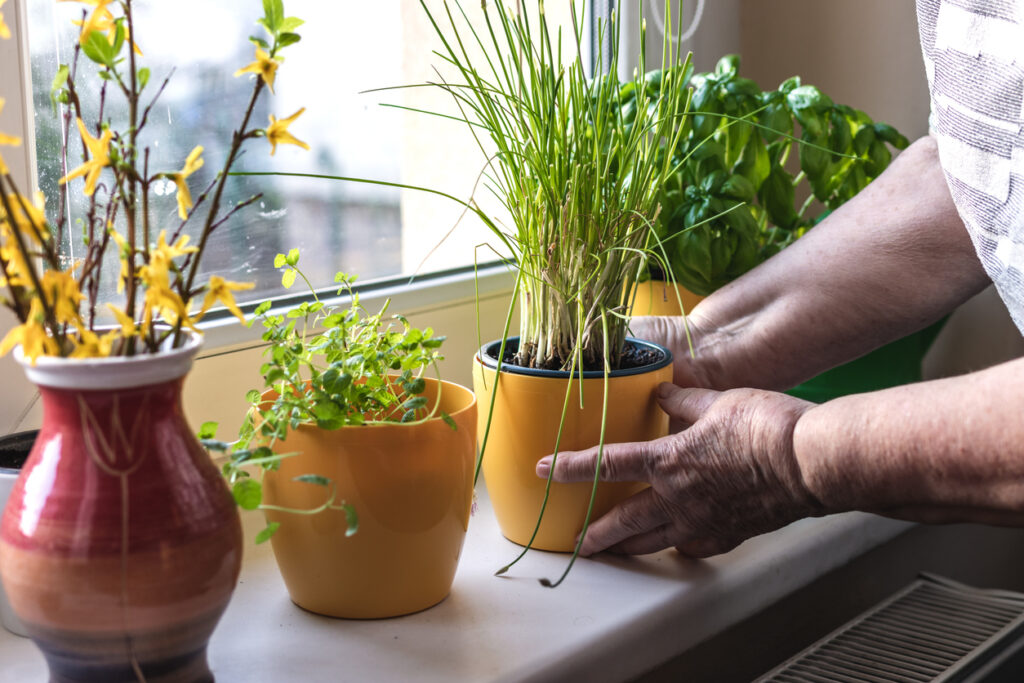
Instead of watering from above, place your plant pot in a shallow tray of water and let it soak up what it needs through the drainage holes. This keeps the top layer of soil dry, which discourages gnats from laying eggs. It’s a good habit to get into, especially for moisture-sensitive plants, and helps you avoid overwatering, which is often what causes fungus gnats to show up in the first place.
4. Try a layer of gravel or sand.
Covering the top of the soil with a layer of coarse sand, pebbles or horticultural grit can physically block gnats from accessing the soil to lay eggs. It also helps keep moisture from lingering at the surface. This method pairs well with bottom-watering, since you’re reducing the moisture at the top while still hydrating your plant. Bonus: it looks neat and decorative, too.
5. Water with a hydrogen peroxide mix.
Mix one part hydrogen peroxide (3%) with four parts water and pour it into the soil like you would during a regular watering. The fizzing action helps kill off larvae living in the top layer of soil without harming the plant. This is especially helpful for a more serious infestation. You can repeat it once a week for a few weeks until the gnats are gone. Just don’t overdo it, as too much can dry out your soil unnecessarily.
6. Try a neem oil soil soak.
Neem oil works as a natural pesticide and can be mixed into your watering routine. Add a few drops to water and let it soak into the soil, targeting larvae where they hide. It won’t hurt your plant, but it will make the environment uninviting for pests. It’s especially useful when combined with sticky traps or dry-soil techniques. Just remember, neem oil smells strong, so maybe don’t do this right before you have guests over.
7. Check for proper drainage.
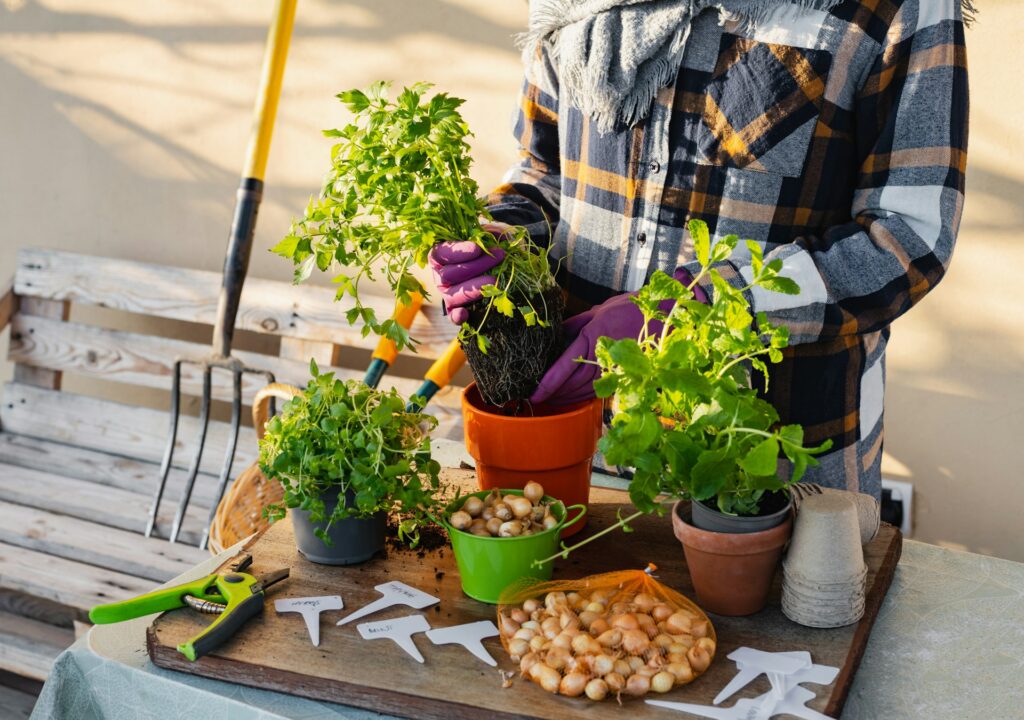
Gnats love soggy soil, especially if it lingers at the bottom of your pot. Always make sure your plant pots have drainage holes, and that you’re not letting water pool in saucers beneath them. Good drainage stops the roots from sitting in a swamp, which keeps gnats away and prevents root rot. If your pots don’t have holes, consider repotting or adding a layer of drainage material like perlite.
8. Clean up fallen leaves and debris.
Dead leaves, decaying roots and other organic matter in the pot can feed gnats and give them even more reason to hang around. Clearing this debris regularly helps remove their food source. It’s a small habit that goes a long way, just like tidying your kitchen counters discourages ants, keeping your soil surface clean discourages gnats from moving in and making themselves comfortable.
9. Repot if the infestation won’t quit.
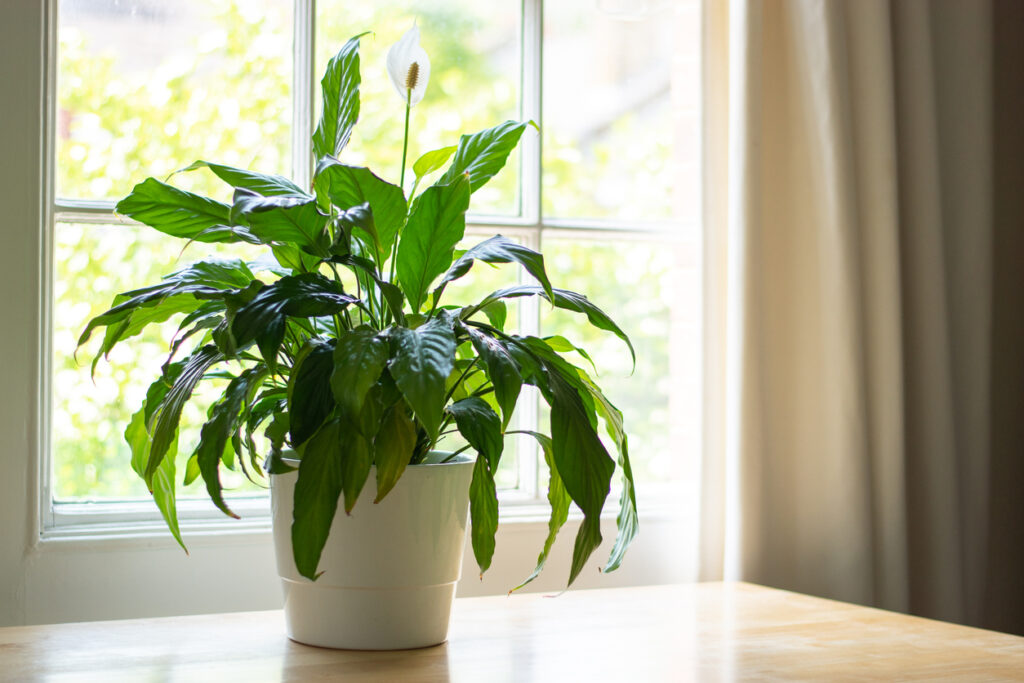
If you’ve tried everything and the flies keep coming back, it might be time to change the soil entirely. Sometimes eggs and larvae are just too embedded, especially if the infestation started in the bagged mix itself. When repotting, give the roots a rinse and make sure the new soil is fresh, well-draining, and preferably stored somewhere sealed before use. You’ll start fresh without the hidden pest population.
10. Quarantine new plants.

Houseplant flies often sneak in on new greenery. Before placing a new plant near your existing ones, check the soil for signs of gnats and isolate it for a couple of weeks just to be sure. That small step can save you a massive headache later. Prevention is easier than trying to play catch-up once they’ve spread to every pot in the room.