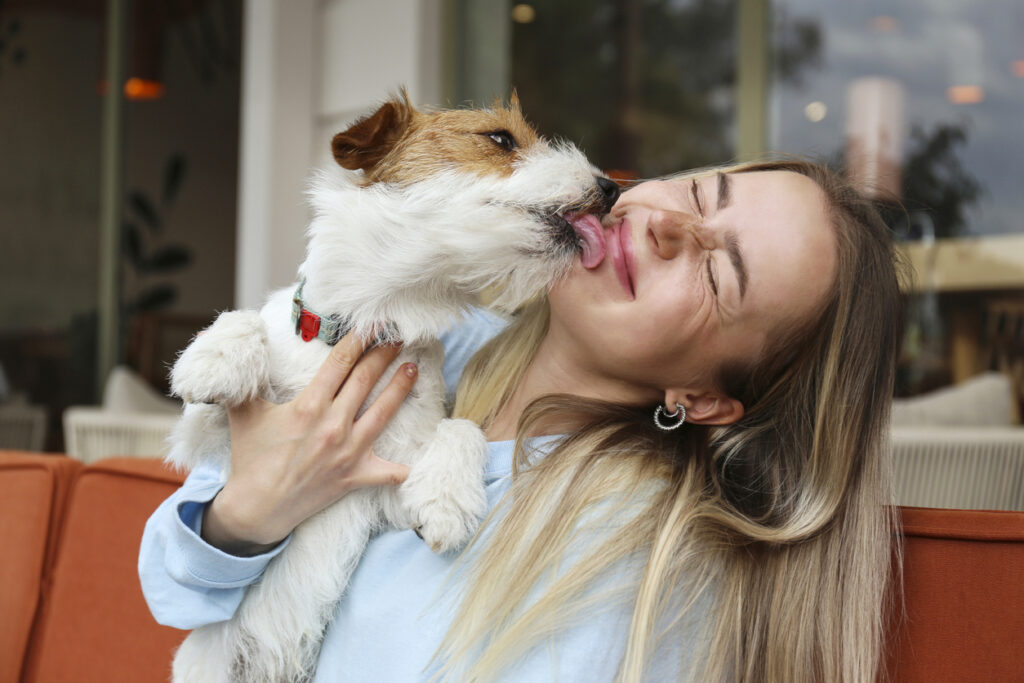
Pets show love in small everyday ways that people often miss. Vets see these patterns all the time, and they know the difference between normal behaviour and the signs that an animal truly feels safe and connected to you. These moments might seem simple, but together they show your pet trusts you, enjoys your company, and sees you as their person.
1. They follow you from room to room.
The problem shows up when you assume they’re being clingy, but most of the time they’re simply choosing to stay close. Pets don’t follow people they don’t trust, so this behaviour means you make them feel safe.
Letting them walk with you or settle nearby helps reinforce that sense of security. They feel calmer when they know you’re around, so these small moments make their world feel steady.
2. They relax their body completely around you.
The problem is that many people miss the meaning behind a loose body, floppy paws, or stretched-out sleeping positions. These are clear signs your pet feels safe enough to drop their guard.
Creating quiet, cosy spots for them helps keep that comfort growing. When they rest near you, it shows your presence helps them feel at ease.
3. They make soft eye contact.
The problem appears when people think animals avoid eye contact out of fear. Pets that trust you use calm, relaxed eyes to show affection and connection.
Holding their gaze for a moment and blinking slowly helps them feel understood. These quiet exchanges build a stronger bond without forcing anything.
4. They bring you their favourite toy.
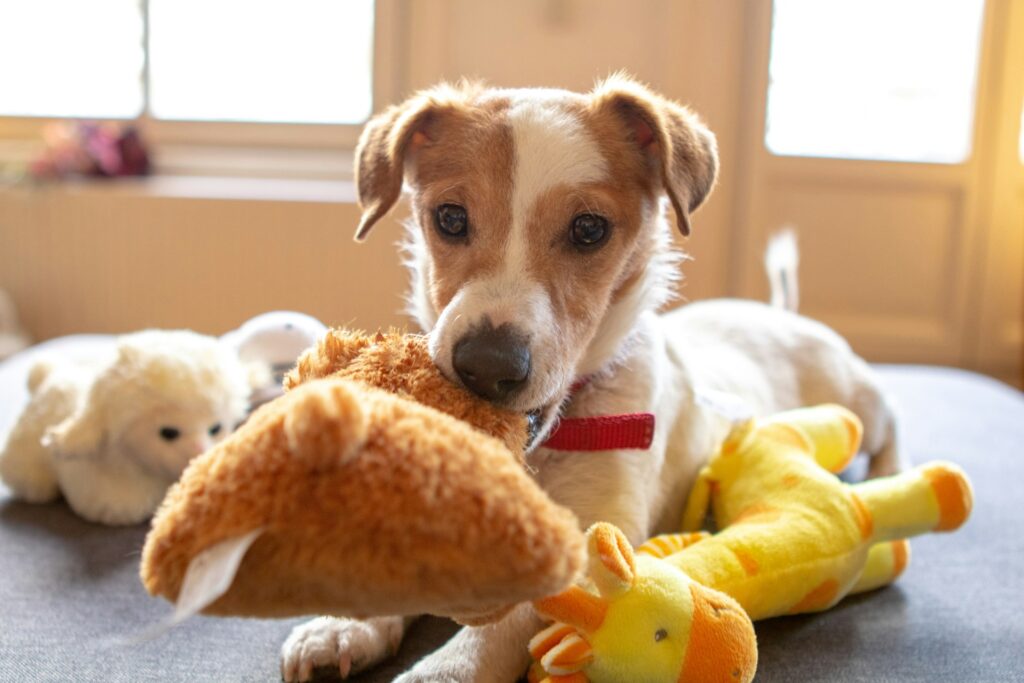
The problem is that people often think this means the pet wants something from them. Most of the time, it’s their way of sharing something important to them.
Accepting the toy or playing for a moment shows them you value their gesture. It strengthens the feeling that you’re part of their little world.
5. They greet you with excitement.
The problem shows when you mistake running, wagging, or meowing as simple hyperactivity. Vets know these behaviours show genuine joy at your return.
Giving them a calm greeting helps settle their excitement while showing them you’re happy to see them too. This creates a steady, loving routine they look forward to.
6. They choose to sit touching you.
The problem appears when owners think their pet is just being warm or using them as a cushion. Sitting with part of their body against you is a trust signal.
Letting them lean or rest against you keeps that connection strong. It’s their way of saying they feel protected in your presence.
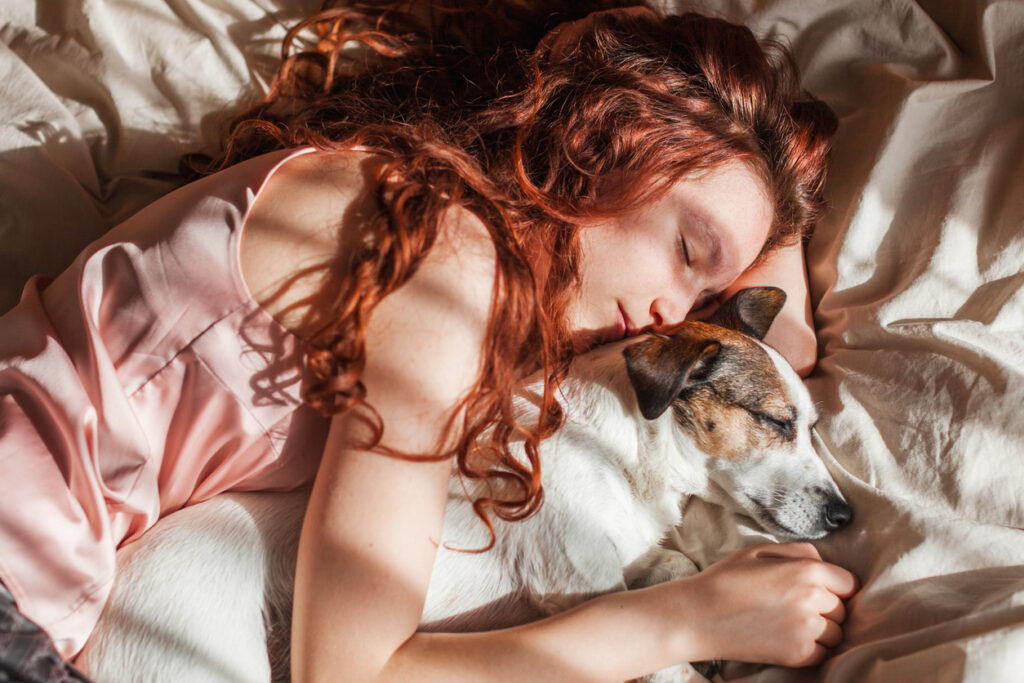
7. They sleep near your bed.
The problem is that some people see this as clinginess, but sleep is when animals are most vulnerable. Choosing to be near you shows deep comfort.
Allowing them to sleep nearby, even on the floor, helps them feel included. It tells them the space around you is safe and reassuring.
8. They “talk” to you with different sounds.
The problem happens when people ignore these noises or assume they’re random. Pets often use soft meows, chirps, grunts, or gentle barks as social signals.
Responding with calm speech helps them feel heard. They learn that their attempts to communicate matter to you, which deepens the bond.
9. They show you their belly.
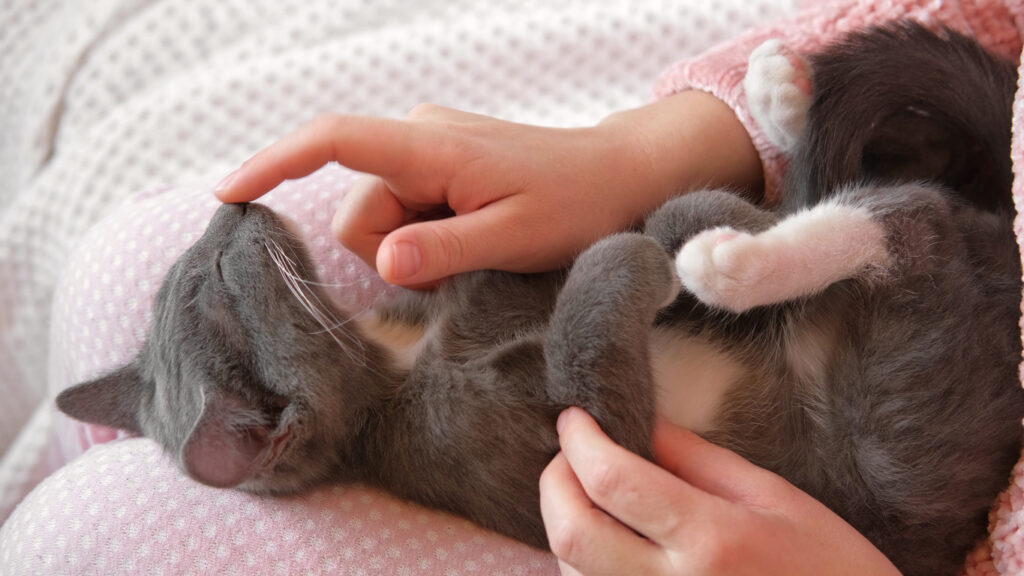
The problem is that some owners think this is always an invitation to touch. Belly exposure often means trust, not a request for rubbing.
Letting them choose whether they want contact keeps them feeling safe. When they roll over around you, it’s a sign they’re relaxed and open.
10. They bring you little “gifts.”
The problem appears when owners find socks, leaves, or random items dropped at their feet and think it’s misbehaviour. Pets often bring what they value to someone they love.
Acknowledging the gift with gentle praise helps the pet feel proud. It shows them their attempts to share haven’t gone unnoticed.
11. They come to you when they’re anxious.
The problem is that owners sometimes think their pet is being dramatic. Seeking you out during loud noises or unfamiliar moments is a clear sign of trust.
Offering calm reassurance helps them settle. It teaches them that you’re a safe base they can return to whenever something feels overwhelming.
12. They match their pace to yours.

The problem shows up in walks when owners assume the pet has slowed down. They’re often adjusting their speed to stay by your side.
Walking at the same pace strengthens your sense of teamwork. It’s their way of saying they enjoy moving through the world with you.
13. They perk up when they hear your voice.
The problem is that people sometimes overlook this because it seems small. But animals don’t react to voices they don’t care about.
Talking to them regularly helps build a familiar sound they associate with comfort. This creates a positive link between your voice and safety.
14. They nudge you for gentle contact.
The problem appears when pets push their head or body against you and people think it’s begging. It’s often a tender request for closeness.
Meeting the gesture with a light touch helps reassure them. It confirms that affection goes both ways and strengthens your bond.
15. They choose to be near you even when they don’t need anything.
The problem shows when owners think they must always entertain or feed their pet. Often, the pet simply enjoys being in the same space.
Letting them settle nearby without expectations helps them feel included. Quiet companionship is one of the clearest signs of love.
16. They check on you during the day.

The problem appears when owners think the pet is being nosey. Walking in, staring for a moment, then leaving is a sign they’re keeping track of you.
Letting them do these check-ins helps them feel reassured. They’re just confirming their favourite person is still safe.
17. They respond to your mood.
The problem is that people forget how sensitive animals are to human emotions. Pets often mirror your calmness or stay close when you’re sad.
Letting them comfort you helps create a two-way bond. They learn that being present for you is just as important as you being present for them.
18. They slow-blink, wag softly, or purr gently.
The problem shows up when people mistake these actions for simple relaxation. These behaviours are emotional signals used only with someone they trust.
Recognising these soft gestures helps you understand how deeply they care. Responding calmly helps them feel even more connected.
19. They sit in your belongings.
The problem is that owners think their pet is being cheeky sitting on clothes or shoes. They’re drawn to your scent because it comforts them.
Leaving a familiar item out for them gives them a sense of calm. Your scent helps them feel close to you even when you’re not right there.
20. They wag, purr, chirp, or brighten when you walk into the room.
The problem appears when owners shrug this off as normal. Not all animals react this way, and it’s one of the clearest signs of deep affection.
Taking a moment to acknowledge their excitement helps reinforce that connection. Your response shows them their happiness is shared, which strengthens the bond even more.