Garden centres might seem like relaxed, peaceful places, and for many customers, they are.

However, behind the scenes, staff are constantly juggling plant care, stock rotation, confused customers, and a lot of half-dead basil. If you’ve ever wondered what they really wish shoppers knew beyond the polite advice, you’re in for a treat. These insider tips come straight from the people who deal with plants and people all day long, and they’ll make your next visit way smoother (and a lot more successful).
1. Don’t pick plants up by their stems.

You might think it’s fine to lift a plant by the top of the stem or foliage, but it’s a fast track to damaging it. Stems are often more fragile than they look, and leaves don’t appreciate being yanked around. The correct way to handle most potted plants? Support the base, not the top.
Garden centre employees cringe every time someone casually drags a tall plant around by its head. If it’s top-heavy or the roots are loose in the pot, you might even break the whole thing. Carry it like it matters because to the plant, it does.
2. Just because it’s flowering doesn’t mean it’s healthy.

Shoppers often make a beeline for plants that are already in bloom, thinking that means they’re in perfect condition. But flowers don’t always tell the whole story. In fact, a plant in full flower might be stressed, rootbound, or way past its peak. Staff often recommend picking plants with strong, healthy leaves and signs of buds rather than full flowers. You’ll get longer-lasting results at home, and your plant won’t be exhausted before it’s even in the ground.
3. Watering cans aren’t just decorative.
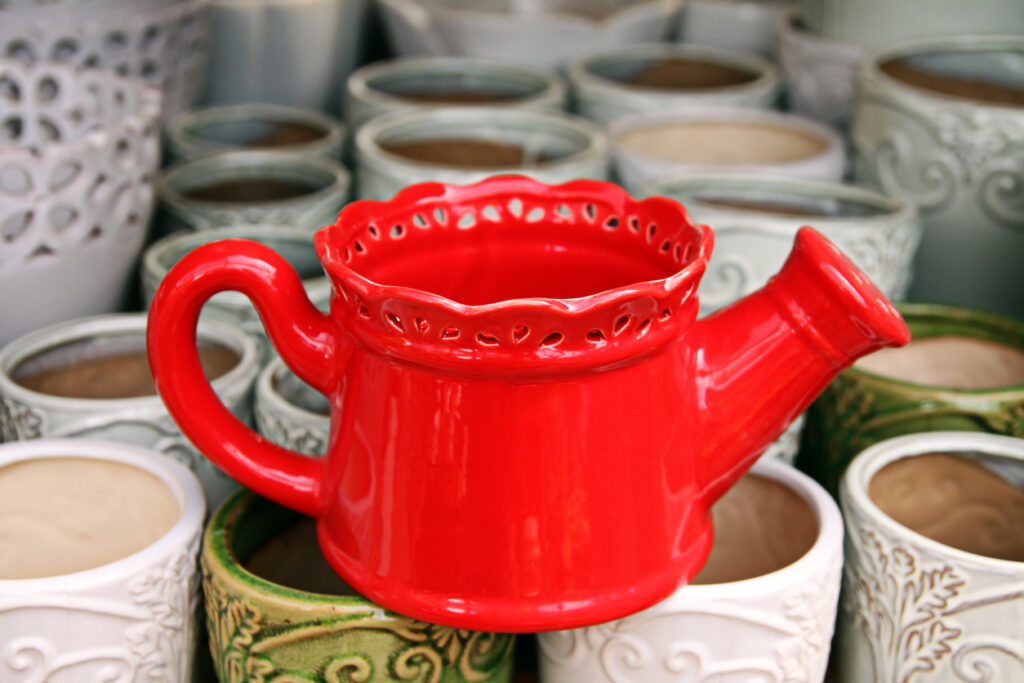
Every summer, someone buys a watering can for its vintage charm, then tries to use it and realises it leaks like a sieve. The decorative ones look lovely, but they’re not always functional. If you’re planning to actually water plants with it, test it before buying or ask staff what’s genuinely practical.
Employees constantly have to explain that not all garden gear is made to be used. Some of it’s there for aesthetics, and that’s fine… as long as you don’t expect a pretty £18 can to water your whole allotment without issues.
4. Some plants are already half-dead when they go on sale.
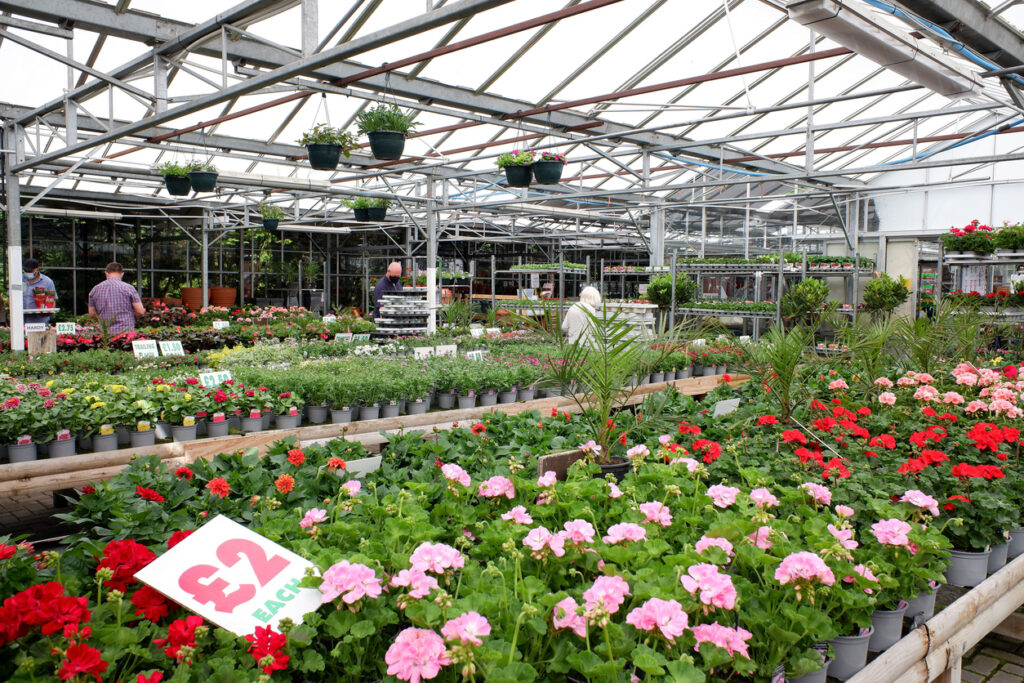
Bargain bins and clearance racks can be a goldmine or a graveyard. Often, those discounted plants are struggling for a reason. They might have been overwatered, rootbound, sunburnt, or simply neglected during a busy week. Staff are usually happy to point out which ones have a real shot at bouncing back and which are just not worth the effort. If you’re up for a rescue mission, go for it, but don’t expect miracles from something that’s already circling the drain.
5. Most people overwater their houseplants.

One of the most common problems garden centre staff hear about is yellowing leaves, limp stems, and sad-looking houseplants. Nine times out of ten, the problem is too much water, not too little. Roots drown easily, especially in pots with poor drainage.
If you’re not sure how much to water, always err on the side of less. Stick your finger into the soil to check for moisture, and don’t just follow a strict schedule. Plants aren’t clockwork; they respond to light, temperature, and the seasons.
6. Ask for advice before buying, not after.

Employees genuinely enjoy helping customers, but it’s far easier to steer someone toward the right plant than it is to fix a disaster afterward. Don’t be shy about asking for help before you buy, especially if you’re unsure about conditions at home. There’s no shame in not knowing what full sun actually means, or whether your soil is clay or sand. Garden centre staff would rather explain it once than see a returned plant two weeks later with brown, crispy leaves and a sad story.
7. Pay attention to the label (even if it’s tiny).

Those little plant tags stuck in the pot are easy to ignore, but they’re full of useful info. They’ll usually tell you where to plant it, how tall it gets, when it flowers, and whether it likes sun or shade. It’s not just filler; it’s there to save your plant’s life. Staff often see people buying a full-sun plant and putting it in a shady courtyard, then wondering why it’s struggling. Take 30 seconds to read the tag. It can spare you weeks of wondering what went wrong.
8. Don’t assume everything’s ready to go outside.

Just because a plant’s for sale doesn’t mean it’s tough enough for all weather. In spring, for example, lots of tender plants are still too vulnerable for outdoor conditions, especially in colder parts of the UK where late frosts hang around.
If you’re unsure, ask whether it’s been hardened off yet or if it still needs a bit of protection. Garden centre employees often have to explain why someone’s new petunia turned to mush after one chilly night. It’s not your fault. You just needed to ask.
9. Bigger isn’t always better.

It’s tempting to go for the biggest plant in the pot, especially if you’re eager for instant impact. But bigger plants aren’t always healthier, and they can struggle more with transplant shock or adapting to new soil. Smaller, well-rooted plants often settle in faster and outgrow their showier neighbours in the long run. Staff will usually steer you toward the healthy medium-sized one, even if it’s less dramatic on the shelf. They’ve seen what actually survives once it leaves the shop.
10. Certain plants are fussy, no matter what the label says.

There are always those plants that look gorgeous in the garden centre but turn into drama queens at home. Some are just inherently tricky; they hate being moved, wilt if you so much as look at them funny, or only thrive in perfect conditions. Staff usually know which ones have the highest complaint rate and which are truly beginner-friendly. If you’re new to gardening or want low-maintenance, they’ll point you in the right direction, if you ask first.
11. Weekends are chaos, so come early if you want time and help.

Weekends are garden centre rush hour. Staff are usually flat-out helping dozens of people at once, restocking displays, and trying to keep everything watered. If you want actual guidance or help loading your car, weekdays or early mornings are your best bet. It’s not that they don’t want to help on weekends. It’s just that they physically can’t do everything at once. Showing up early or midweek means you’ll get more time, better advice, and plants that haven’t already been picked over.
12. Some plants are sprayed to look better in-store.
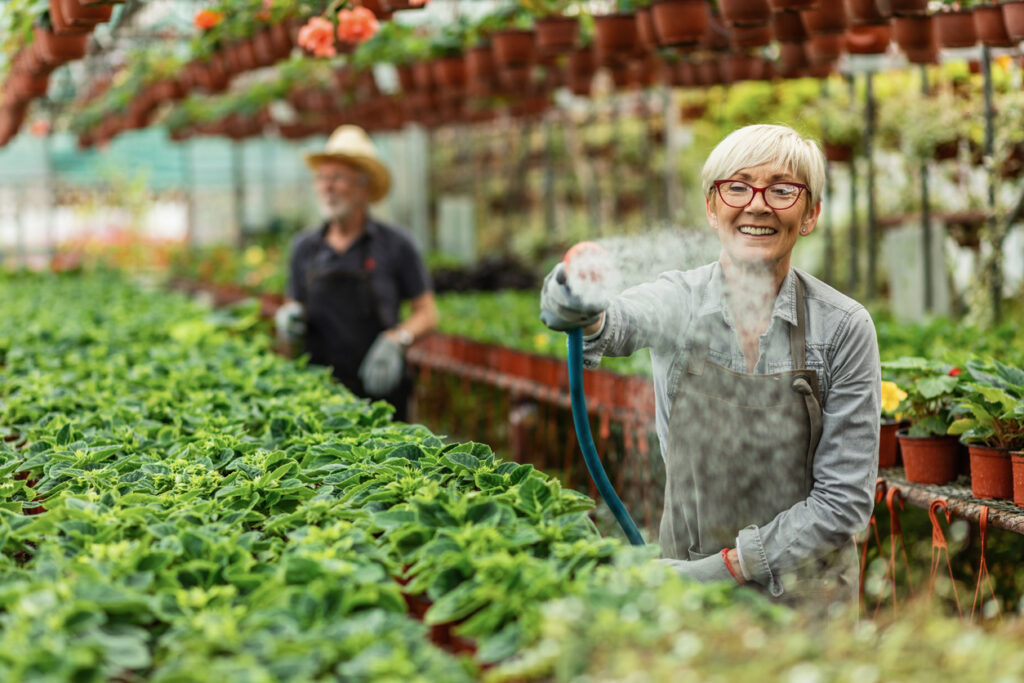
You know those super glossy leaves and perfectly perky blooms? Sometimes, that’s the result of leaf shine spray or a quick blast of water to make things look fresh. It’s not fake, but it’s definitely dressed up for the shop floor.
This doesn’t mean the plant is unhealthy, but it does mean you should look past appearances. Check the undersides of leaves, the condition of the soil, and whether roots are circling the pot. A healthy plant doesn’t need a glow-up to look good.
13. Staff hate seeing plants dumped in random aisles.
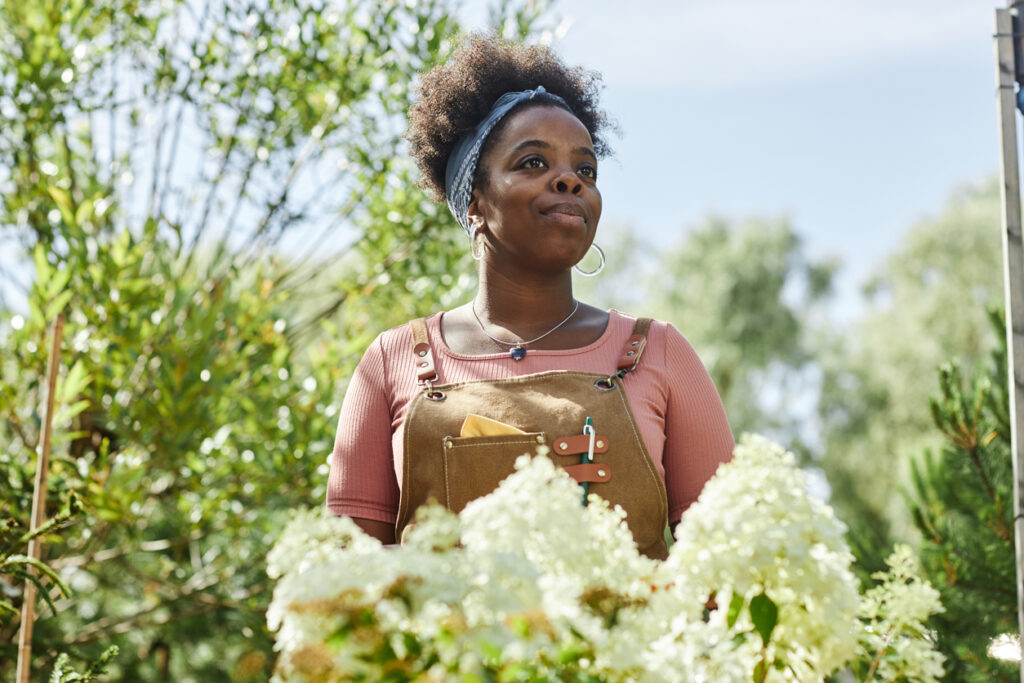
If you change your mind about a plant, don’t just abandon it next to the BBQs or by the till. Leaving it out of its zone means it could dry out, get sunburnt, or be overlooked by staff trying to keep everything alive and tidy. It takes two seconds to hand it to someone or return it to where you found it. Garden centre staff aren’t being precious. They’re just trying to give every plant the best chance of surviving until it finds a home.
14. The “plant guarantee” doesn’t cover bad planting.

Lots of places offer guarantees on trees and shrubs, but that doesn’t mean you’ll get a refund if you plant something in the wrong place or forget to water it. The guarantee usually covers plants that were sold in poor condition, not ones that were neglected after purchase. If you’re unsure how to plant something properly, ask before you leave. It saves awkward conversations later, and it ensures the guarantee actually means something if your plant doesn’t make it.
15. They really do want you to succeed.
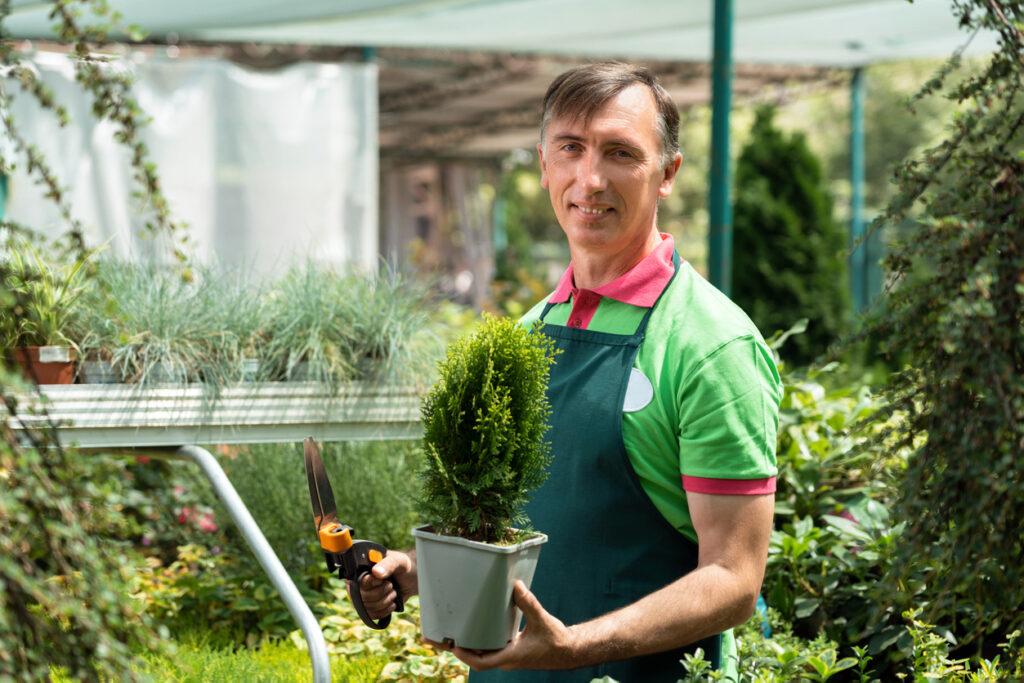
Garden centre employees don’t want to sell you something that’s going to die in a week. Most of them genuinely care about plants, and about helping you find the right ones for your space, lifestyle, and experience level.
They know the difference between a plant that will thrive in your conditions and one that’ll struggle, and they’re usually more than happy to steer you away from bad choices. If you’re honest about what you need, you’ll walk away with plants that actually last, and they’ll be glad they could help.