There may be nowhere the phrase “small but mighty” is more applicable than when it comes to wildlife.
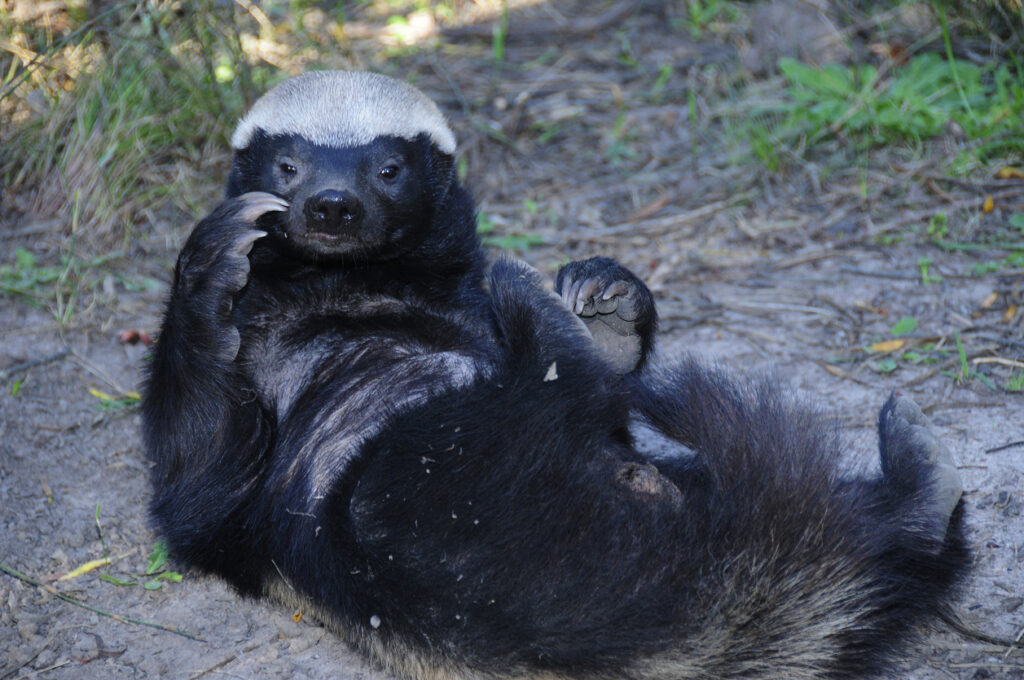
You’d think size matters most in the animal kingdom, and in many ways, it’s still important. After all, being big often comes with power, and that can certainly save your skin when you get into a hairy situation. That being said, some tiny creatures are packing enough deadly weaponry to take down predators ten times their size without breaking a sweat. Here are some of the most impressive (and potentially deadly) out there.
1. Poison dart frogs can drop an elephant.
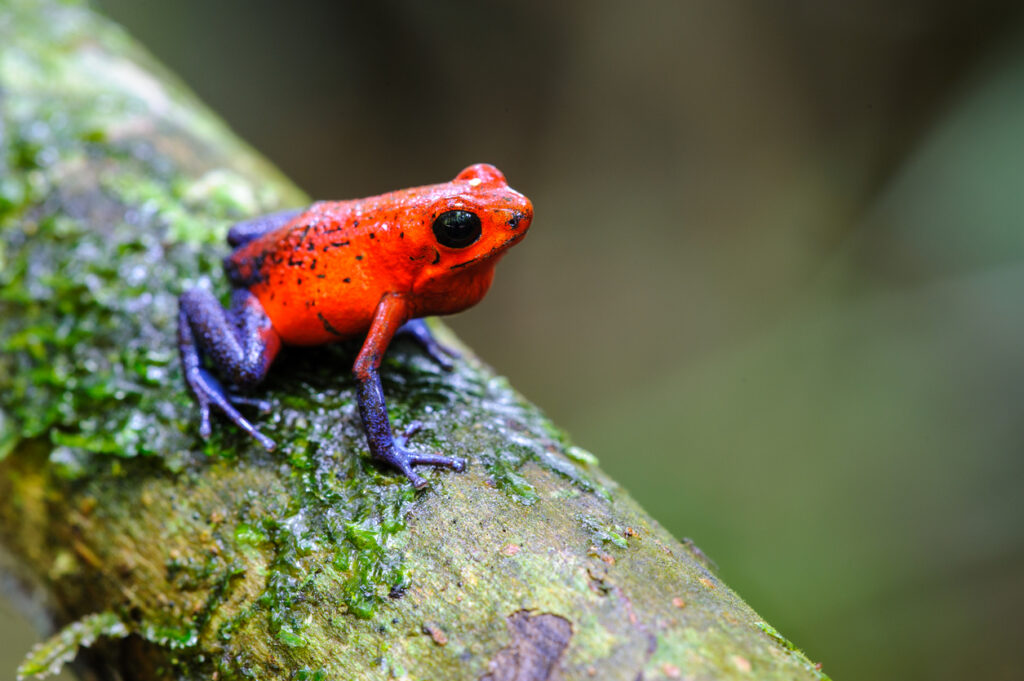
These little tropical beauties are only about the size of a paperclip, but their skin contains enough toxins to kill multiple large animals. Just touching one with your bare hands could seriously ruin your day, and predators that try to eat them usually don’t get a second chance to make that mistake.
The poison works by messing with nerve signals, so even massive predators like jaguars or large birds can’t fight off the effects once they’ve been exposed. It’s a brilliant evolutionary strategy: look pretty and colourful to advertise how dangerous you are, then let any predator stupid enough to ignore the warning learn the hard way.
2. Honey badgers will fight anything that moves.
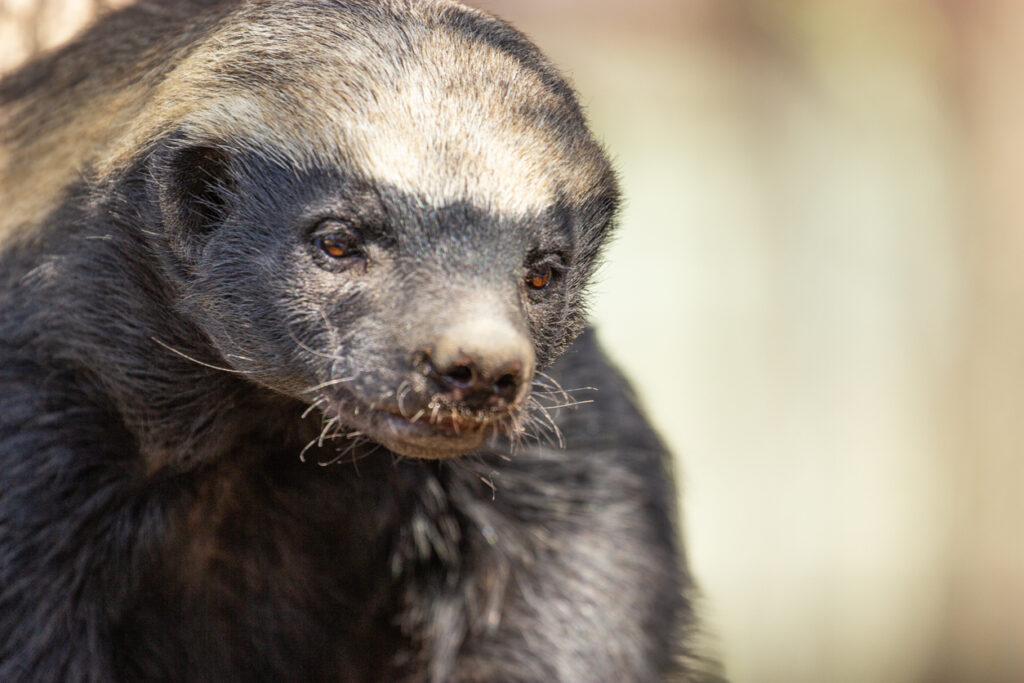
Don’t let the name fool you. These things are absolute nutcases that will take on lions, leopards, and even crocodiles without thinking twice. They’re only about the size of a medium dog, but they’ve got loose skin that lets them twist around and bite attackers even when being grabbed by larger predators.
Their fearless attitude and powerful jaws mean they can seriously injure or kill much larger animals through sheer aggression and refusing to back down. Plus, they’re practically immune to snake venom, so they can take on deadly snakes that would kill bigger predators and come out victorious.
3. Wolverines punch way above their weight.
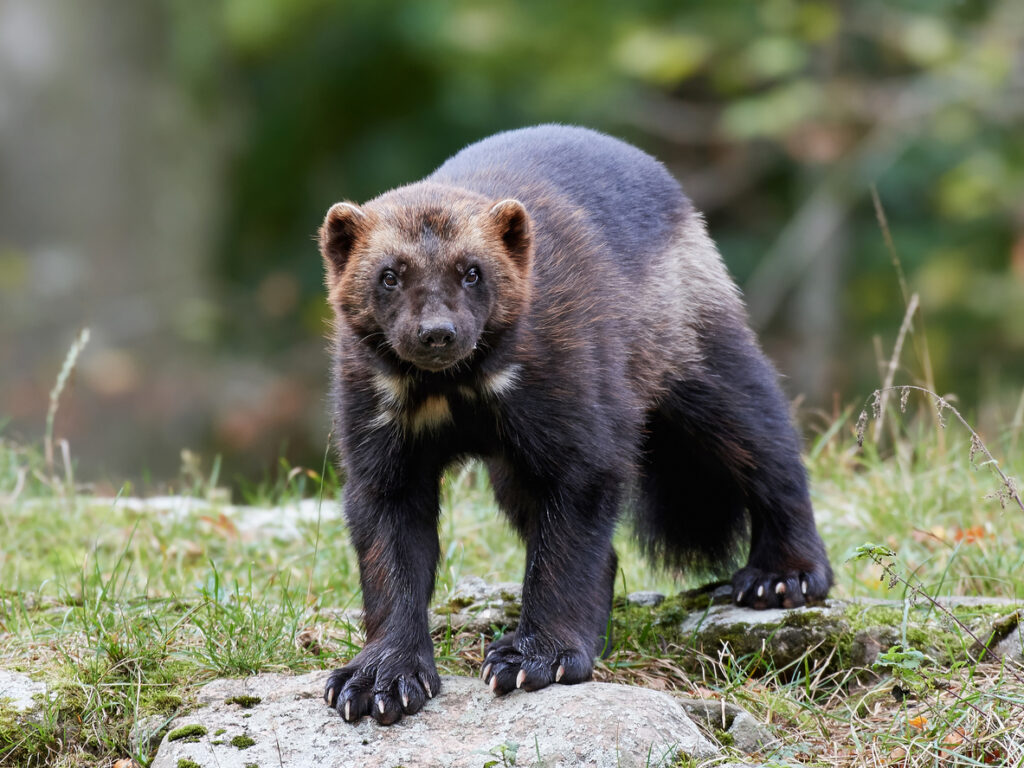
These stocky little beasts look like small bears, but they’re actually related to weasels, and they’ve got the attitude to prove it. Wolverines regularly drive much larger predators like wolves and even bears away from kills, using their incredible strength and nasty temperament.
They’ve got jaws that can crunch through frozen bones and claws that can tear through just about anything, plus they’re built like little tanks with thick fur and tough hide. A wolverine that feels threatened won’t hesitate to go after predators many times its size, and often wins through pure determination and weaponry.
4. Blue-ringed octopuses are tiny killers.
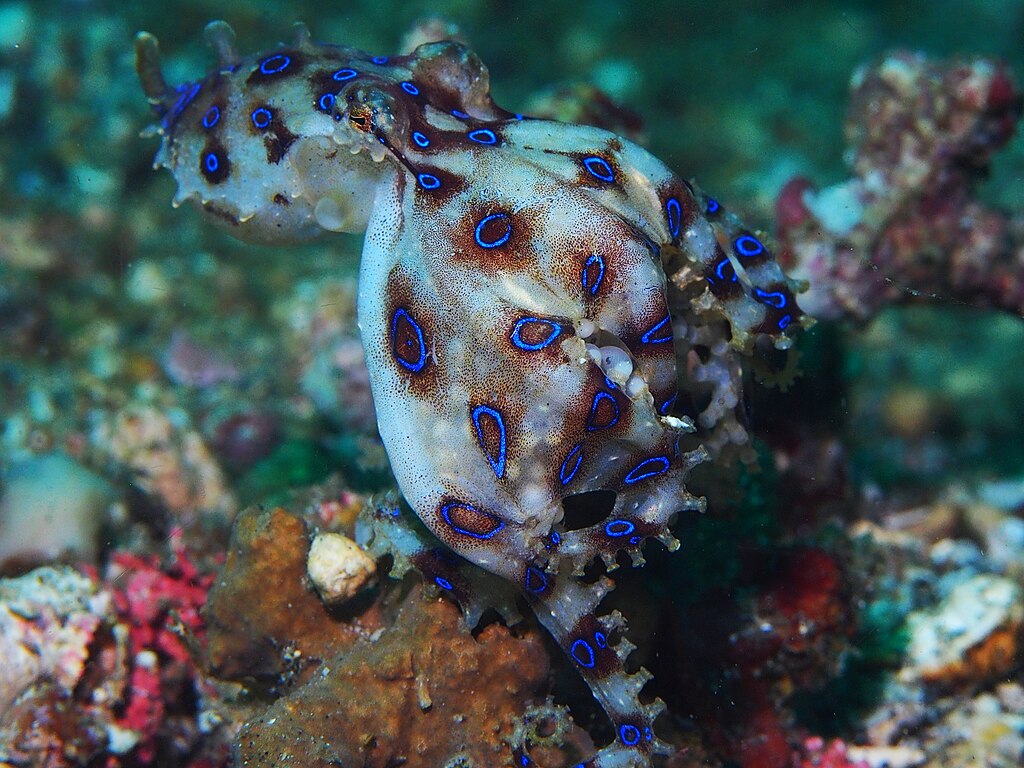
These gorgeous little octopuses are only about the size of a golf ball, but they carry enough venom to kill 26 adult humans within minutes. Any predator that tries to grab one is basically signing its own death warrant because there’s no antidote to their incredibly potent neurotoxins.
The venom causes complete paralysis so quickly that even large fish, sharks, or marine mammals can’t escape once they’ve been bitten. The octopus doesn’t even need to inject much venom, as just a tiny amount is enough to shut down the nervous system of something much, much bigger.
5. Stoats can take down rabbits ten times their size.
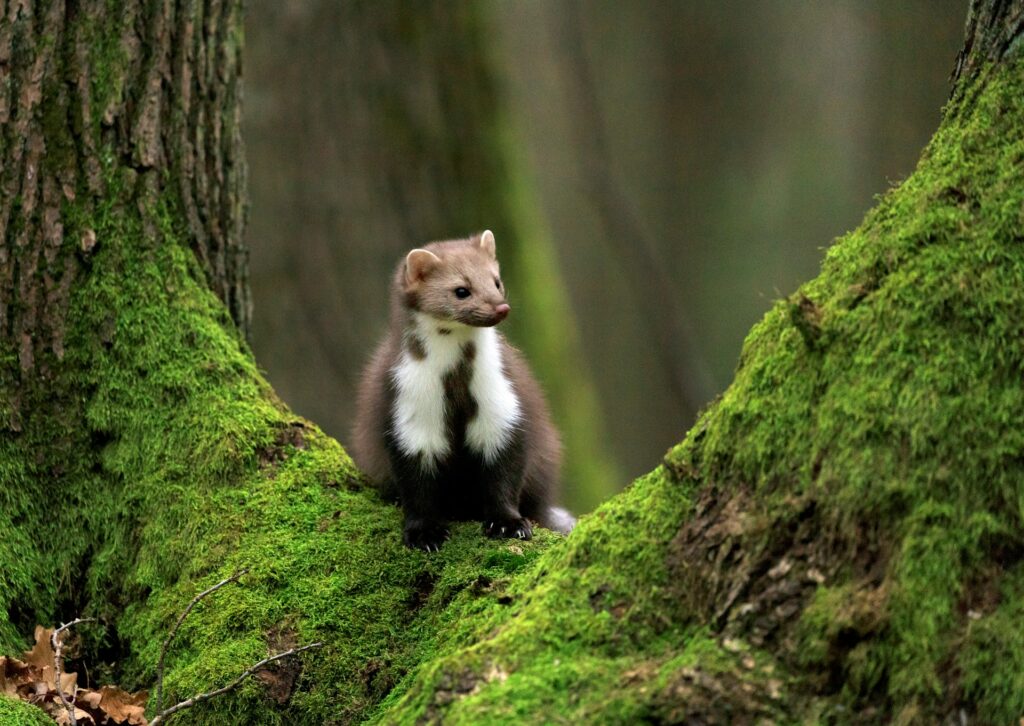
These slender little predators might look cute and harmless, but they’re basically furry missiles designed for killing things much larger than themselves. Stoats regularly hunt rabbits that outweigh them massively, using speed, agility, and a killing bite to the back of the neck.
They’re so efficient at this that they can take down prey that would seem impossible for something their size to handle. Their long, flexible bodies let them follow prey into burrows where larger predators can’t go, and once they’ve got their teeth into something, they don’t let go until it’s finished.
6. Cassowary chicks inherit deadly kicks.
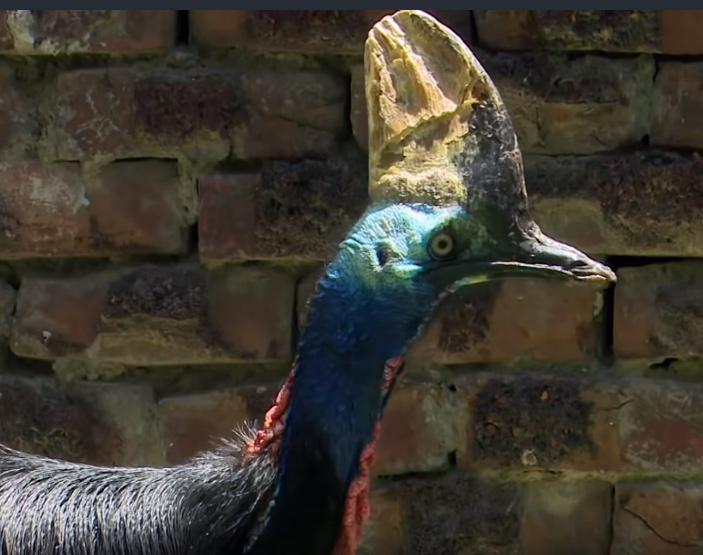
Even baby cassowaries, which are only about the size of chickens, can seriously injure or kill much larger animals with their powerful legs and razor-sharp claws. These flightless birds are basically living dinosaurs, and they don’t mess about when they feel threatened by predators.
A single kick from even a juvenile cassowary can slice open large predators or break bones, and they’re fast enough to chase down threats and deliver multiple devastating strikes. Their legs are pure muscle, and their middle toe has a dagger-like claw that can penetrate deep into flesh and organs.
7. Shrews have venomous bites.
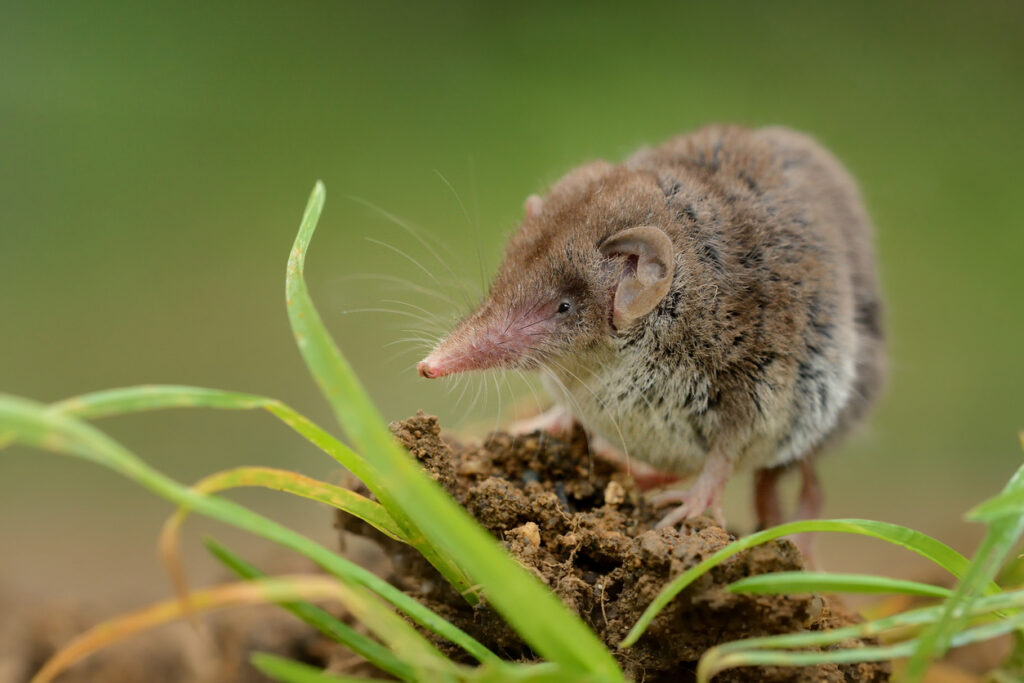
These tiny mammals look like harmless little mice, but some species have venomous saliva that can paralyse and kill prey much larger than themselves. Short-tailed shrews can take down animals several times their size using venom that works similar to snake poison.
The venom helps them hunt larger prey like mice, small birds, and even other shrews, but it’s also effective against predators that might try to eat them. Any predator that grabs a venomous shrew is going to have a very bad time as the toxins start affecting their nervous system.
8. Bullet ants deliver pure agony.
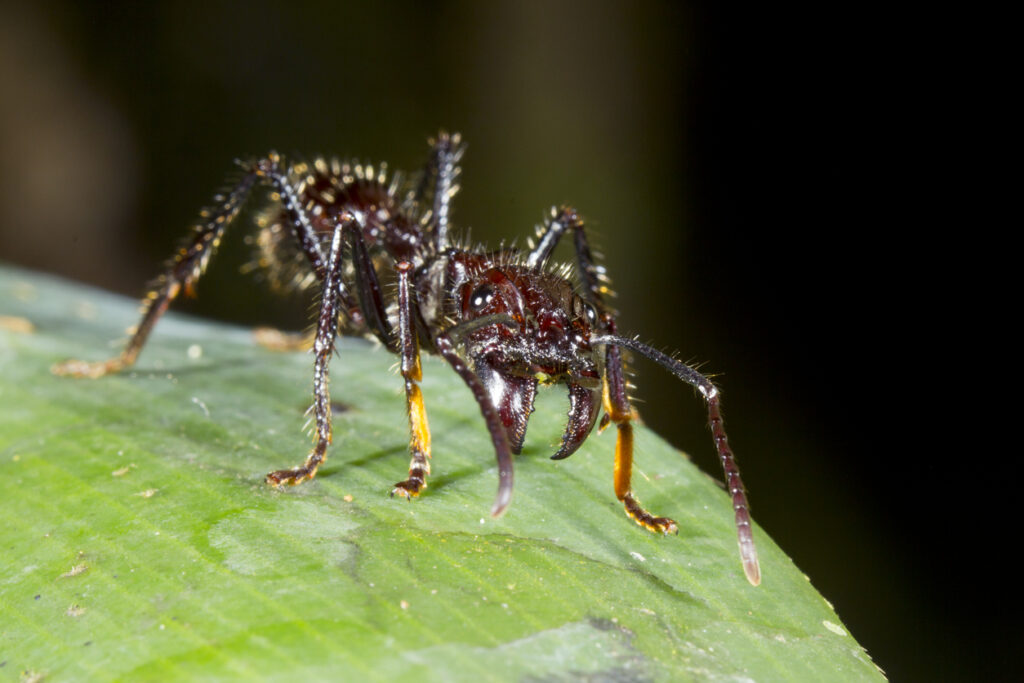
These tropical ants are only about an inch long, but their sting is considered one of the most painful in the animal kingdom, so painful that it can incapacitate much larger predators and send them running away in absolute agony.
The pain from a bullet ant sting is so intense that it can last for hours and cause temporary paralysis in the affected area. Even large mammals that accidentally disturb a colony can find themselves overwhelmed by the excruciating pain from just a few stings, making them easy targets or forcing them to retreat completely.
9. Sea snakes pack lethal venom in tiny packages.
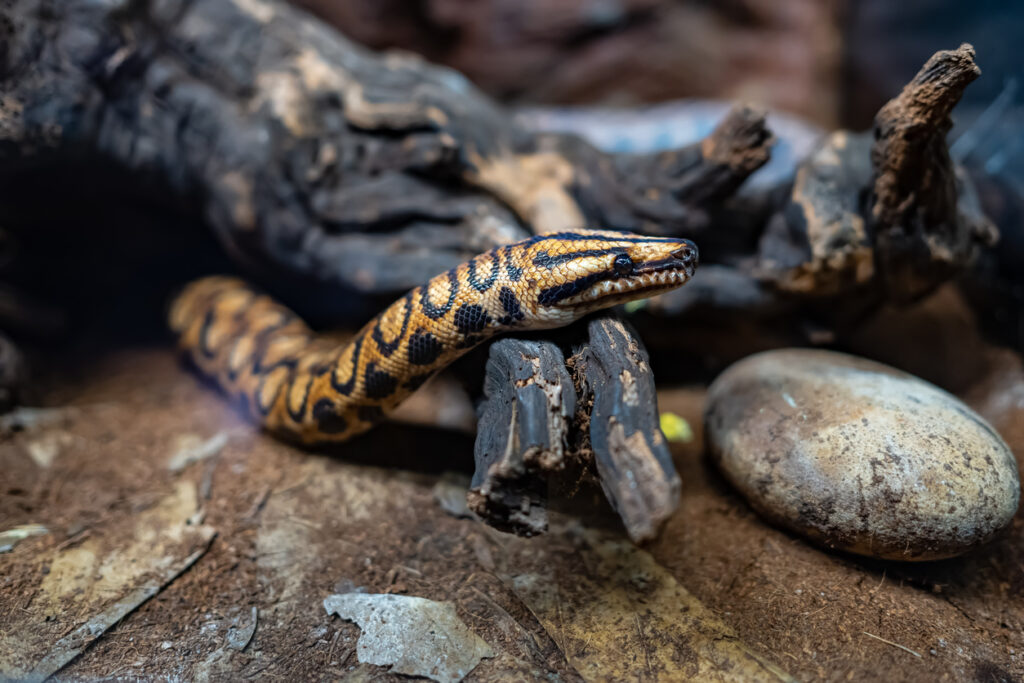
Many sea snakes are quite small compared to their land-dwelling cousins, but they carry venom that’s incredibly potent and designed to quickly kill fish and marine predators much larger than themselves. Just a small bite can deliver enough toxin to kill sharks, large fish, or marine mammals.
Their venom is specifically adapted for underwater hunting, so it works fast to prevent prey from escaping and can easily overwhelm the defences of much larger predators that might try to eat them. The compact delivery system means they don’t need to be big to be absolutely lethal.
10. Mantis shrimp throw devastating punches.
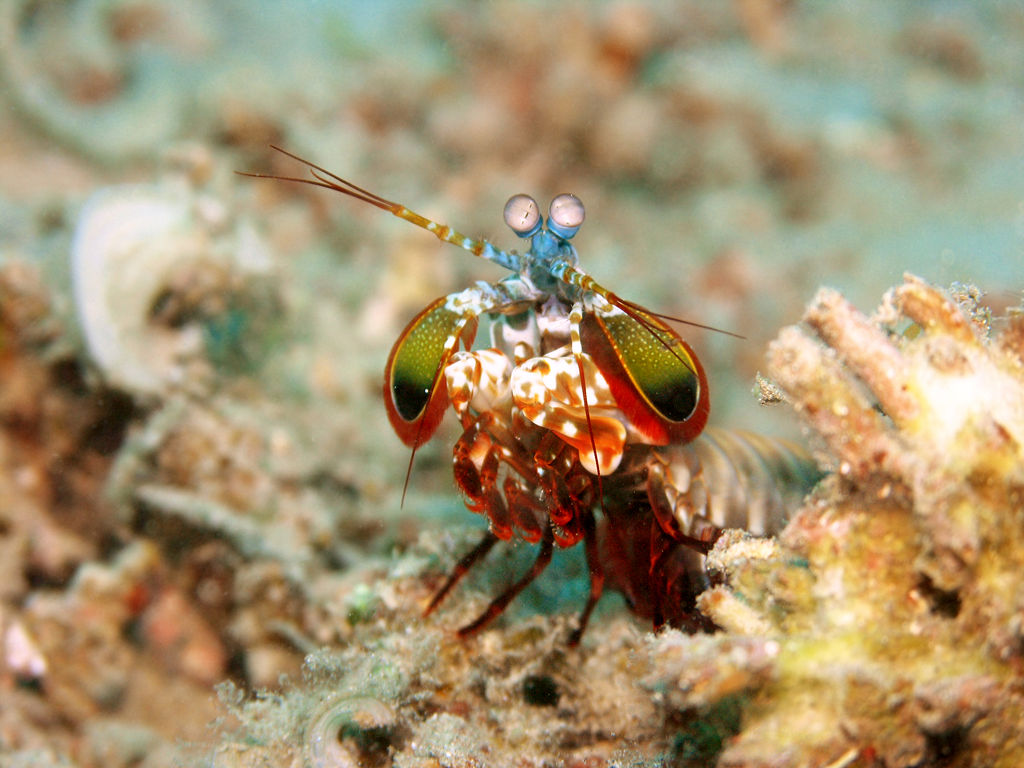
These colourful little crustaceans are only a few inches long, but they can throw punches with the force of a bullet, generating cavitation bubbles that can stun or kill much larger predators. Their specialized front limbs move so fast they can break through crab shells, fish bones, and even aquarium glass.
The strike is so powerful that it creates a shockwave in the water that can disorient or damage larger predators even if the initial punch doesn’t land directly. Fish, octopuses, and other marine predators that tangle with mantis shrimp often come off much worse despite being significantly larger.
11. Skunks weaponize chemical warfare.
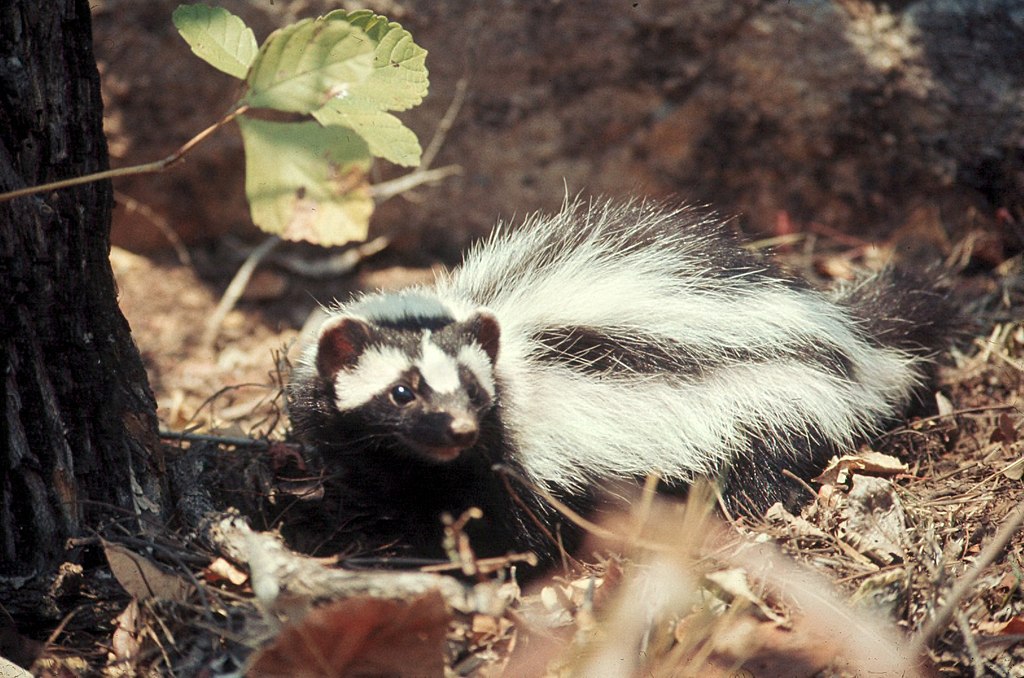
Everyone knows about skunk spray, but people don’t always realize just how effective it is at deterring much larger predators. The chemical compound they spray can cause temporary blindness, severe nausea, and breathing difficulties that can incapacitate animals many times their size.
Large predators like bears, mountain lions, and wolves will actively avoid skunks because they know the chemical defence can leave them vulnerable to other threats while they’re dealing with the effects. It’s such an effective deterrent that even apex predators would rather find easier prey than risk a face full of skunk spray.
12. Electric eels can shock massive predators.
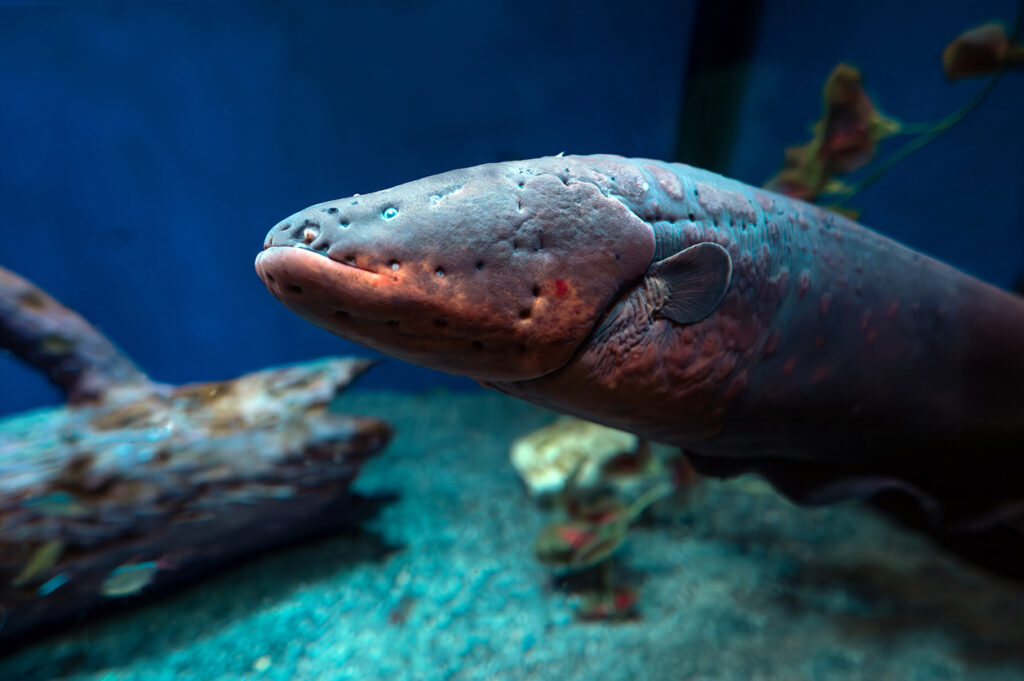
These aren’t actually eels, but they can generate electrical discharges powerful enough to stun or kill much larger predators including caimans, large fish, and even jaguars that come to drink at the water’s edge. A full-grown electric eel can produce up to 600 volts, which is enough to stop a large predator’s heart.
The electrical charge travels through water effectively, so they don’t even need direct contact to deliver a potentially lethal shock. Large predators that enter their territory can find themselves completely paralysed by the electrical discharge, making them easy prey or simply eliminating the threat entirely.
13. Pufferfish turn themselves into spiky poison balls.
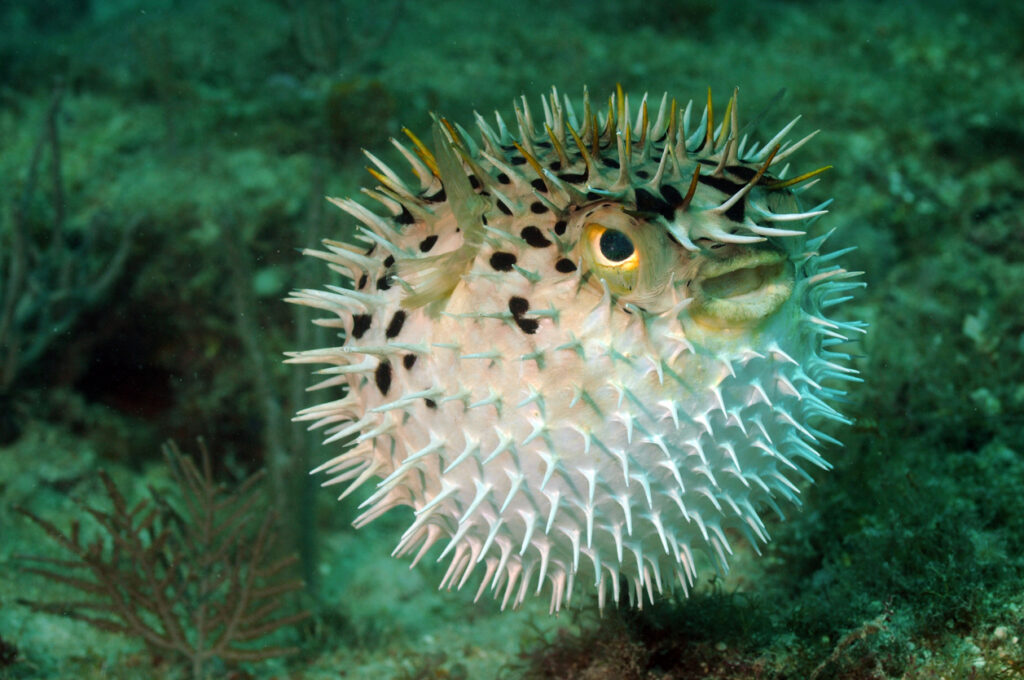
When threatened, these fish inflate themselves into spiky spheres covered in toxin-laced spines, making them impossible for larger predators to swallow safely. The toxins in their skin and internal organs are potent enough to kill predators many times their size if ingested.
Even if a large predator manages to bite a pufferfish, the poison can cause paralysis and death within hours. The combination of physical defence (becoming too big and spiky to swallow) and chemical warfare (deadly toxins) means that most predators quickly learn to avoid these seemingly harmless little fish.
14. Army ants swarm and overwhelm giants.
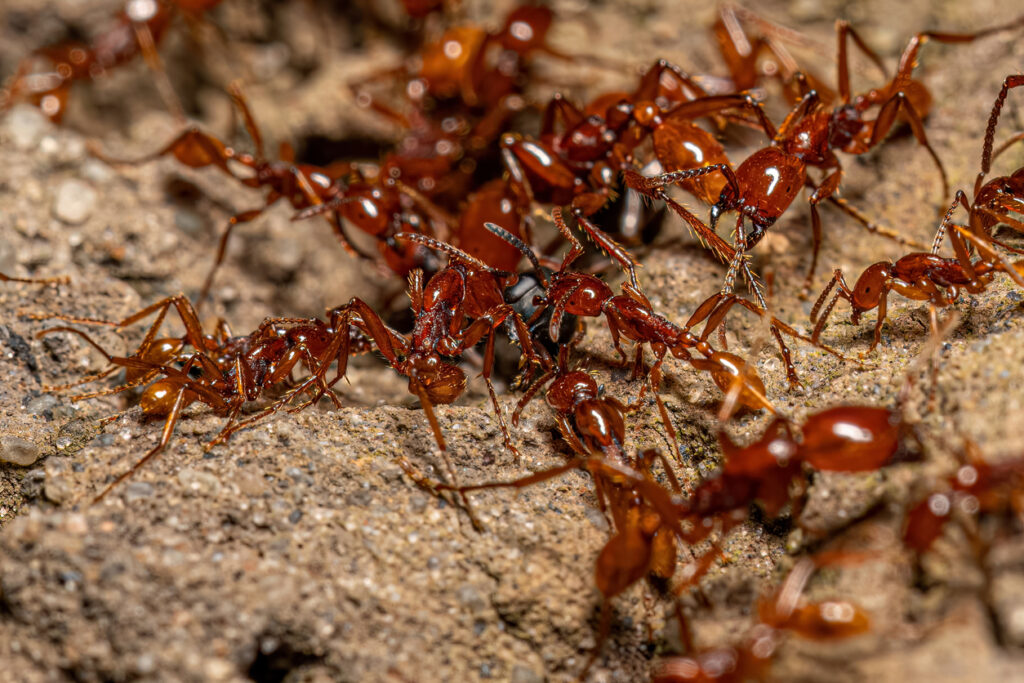
Individual army ants are tiny, but when they work together in massive colonies, they can take down prey and predators hundreds of times their collective weight. They coordinate attacks so effectively that they can overwhelm and kill large mammals, birds, and reptiles through sheer numbers and persistence.
The ants use their numbers to cover every inch of their target, delivering thousands of bites simultaneously while larger predators struggle to fight off the overwhelming swarm. Even animals that could easily kill individual ants find themselves helpless against the coordinated assault of an entire colony working together.