Most of us like to think we’re the ones in charge, but if you’ve got a cat, you’re likely just the live-in staff.

It’s not a sudden takeover; it’s a slow, tactical shift where your entire daily routine starts revolving around their whims instead of your own. You’ll find yourself tiptoeing around the spare room because they’re having a nap, or apology-feeding them at 5 a.m. just because they sat on your face. They’ve effectively trained you to respond to every flick of a tail or pathetic meow, and before you know it, you’re the one sleeping on the edge of the bed while they take up the middle.
1. Their feeding schedule controls your entire evening routine.

You might tell yourself you’ll eat when you’re hungry, but your cat eats first and everyone knows it. If you’re out, you check the time and start doing mental maths about how long it will take to get home before dinner time. Plans get cut short, phone calls wrap up quickly, and you rush through the door because the thought of them waiting by an empty bowl makes you feel like you’ve failed an important duty. Over time, their meal times become fixed points in your day, and everything else bends around them without you even noticing.
2. You refuse to move once they’ve settled on you.

Your leg might be going numb, and your back might be aching, but once they’ve chosen your lap, you stay put. You convince yourself it’s fine, that you didn’t need to stand up anyway, even though your water is out of reach and your phone is buzzing across the room. There’s an unspoken rule that their comfort comes first, and breaking that rule feels wrong. So you sit there like a human cushion, proud of your patience and slightly impressed by how completely they’ve trained you.
3. The best spots in the house are permanently reserved for them.

That sunny patch on the carpet by the window is not yours, even though you pay for the heating. The softest corner of the sofa belongs to them, and if they stretch out across it, you quietly adjust yourself to whatever space is left. You might even have bought a particular armchair because they looked happy in it at the shop. Somewhere along the line, your home stopped being arranged for people and started being arranged around a small, furry presence who acts as if they own the deeds.
4. You lower your voice so you don’t disturb their nap.

When the phone rings, you automatically soften your tone. You close doors more gently than you ever have before, and you step carefully past their favourite sleeping spot like you’re moving through a museum. It doesn’t matter that they’ll happily knock something off a shelf at 3am without a second thought. In that moment, their rest feels important, and you treat it with the kind of respect usually saved for a sleeping baby.
5. Your furniture choices revolve around their habits.
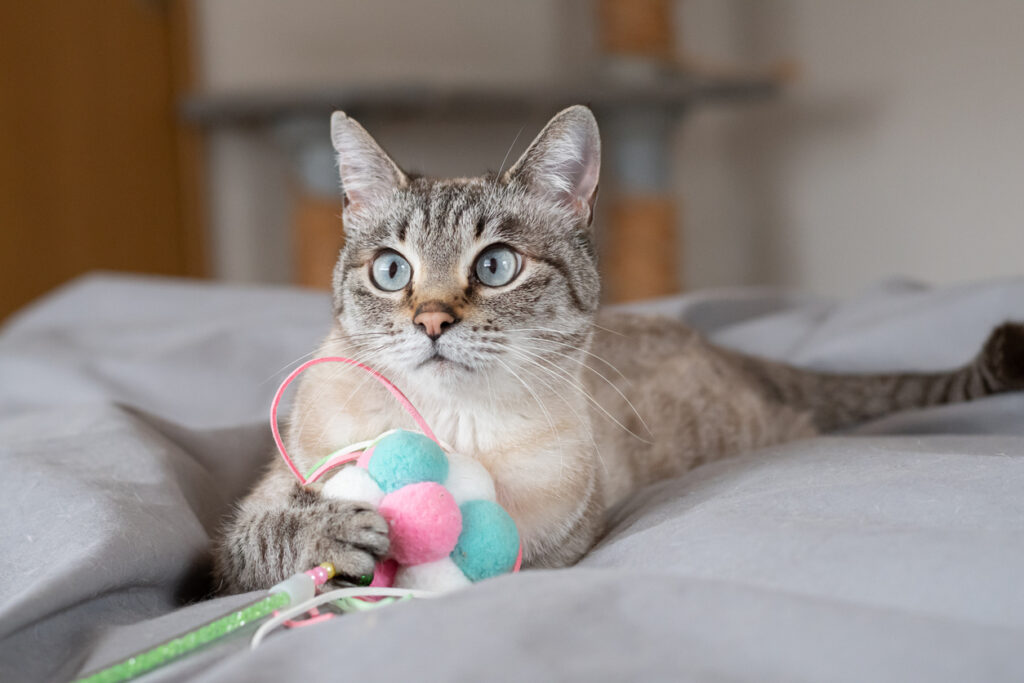
You’ve thought about scratch-resistant fabrics more seriously than colour schemes. You’ve measured corners to make sure a cat tree will fit, and you’ve avoided buying certain things because you know they’ll be destroyed within a week. Shelves might have been installed not for books, but as part of a climbing route that only one family member uses. At this stage, your decorating decisions feel like joint planning, even though you’re the only one swiping the card.
6. You apologise when you accidentally inconvenience them.

If you shift your leg and disturb their sleep, you say sorry out loud without thinking. When you block their path for half a second, you step aside as if you’ve cut someone off in traffic. There’s something about the look they give you that feels like real judgement, and you react accordingly. It’s a strange dynamic where a creature that can’t speak has somehow mastered the art of making you feel mildly guilty in your own house.
7. Affection only happens on their terms.

You can’t just pick them up whenever you feel like it because they’ll make it very clear if the timing is wrong. When they want attention, they climb onto you, headbutt your hand, and demand strokes as if it’s a scheduled meeting. When they’re not interested, they walk away without explanation. Over time, you stop trying to control those moments and simply wait for approval, accepting that love in this house runs on a strict, feline timetable.
8. Your sleep patterns have adapted to their nighttime energy.

If they decide that midnight is playtime, you lie there listening to the sudden thud of paws racing down the hallway. If they settle across your legs at dawn, you stay still rather than risk waking them. You might wake earlier than you used to because they’ve decided the day has begun, and arguing is pointless. Your body clock has adjusted around theirs, and you accept the change as just another part of sharing a home with a creature who follows its own rhythm.
9. You operate doors as if you’re a full-time doorman.

Bathroom doors stay slightly open because they insist on supervision. Bedroom doors must never be fully shut unless you want a dramatic scratching performance at 2am. Cupboards are monitored closely because they like to inspect new spaces the moment they’re available. You spend a surprising amount of time opening and closing doors for someone who could, in theory, be content without constant access, yet clearly has decided that unrestricted movement is a basic right.
10. Your budget includes line items that exist purely for them.

You hesitate before buying yourself something new, but you’ll happily spend on high-quality food, specialist litter, or a heated bed for colder months. If a toy breaks, it gets replaced quickly, even if they ignore it after two days. Vet bills are paid without complaint, and you treat their health checks as non-negotiable. In quiet moments, you realise that their wellbeing is one of your top financial priorities, and that says everything about who truly runs the place.
11. Guests are expected to respect their authority.

When friends come over, you warn them about the cat’s habits before they even sit down. You guide them away from certain chairs if they’re known favourites, and you watch closely to make sure no one crosses an invisible boundary. If someone complains about fur on their clothes, you feel slightly defensive. The house has its rules, and those rules were clearly written with paws in mind.
12. You can read their mood from the smallest movement.

A slight tail flick tells you they’re done with petting. A subtle shift in their ears lets you know they’re overstimulated. You’ve learned to spot the difference between playful energy and a warning sign that claws are about to appear. This level of awareness didn’t happen overnight; it grew from paying close attention because ignoring those signals has consequences. In many ways, you’ve become fluent in a silent language that guides your behaviour every day.
13. Major life decisions are filtered through what works best for them.

When you think about going away, your first concern is who will look after the cat and whether they’ll feel unsettled. If you consider moving house, you picture how they’ll react to a new layout or unfamiliar smells. Even changes to your daily routine are weighed against their comfort and stability. At some point, without a formal meeting or vote, they became part of every serious decision, which is probably the clearest sign of all that you’re not just the owner but the well-managed human in their carefully controlled world.