Starting an indoor garden can be one of the most satisfying things you do with your living space.
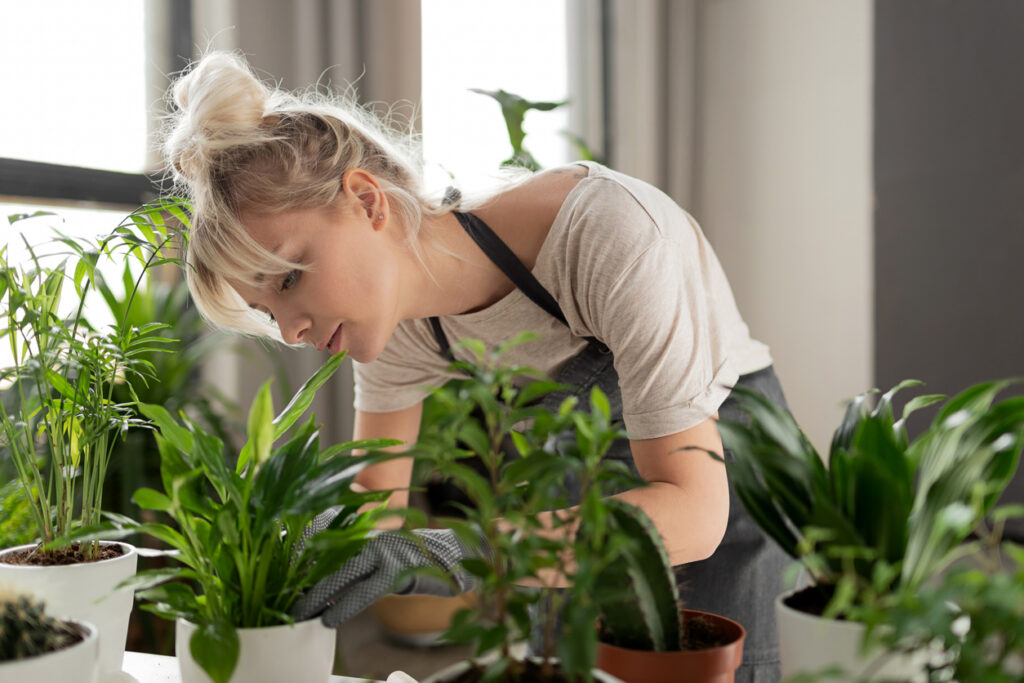
Whether you’re working with a bright windowsill or a tiny flat with more shade than sun, there are ways to grow happy, healthy plants indoors. But it’s not just a matter of buying a few pots and hoping for the best. Indoor gardening takes some planning, observation, and a little bit of patience. Here are some absolutely golden rules that’ll help you get it right from the very start.
1. Start with the right light.

Light is the single most important factor in indoor gardening. Most common houseplants need bright, indirect light—which usually means a spot near a south- or east-facing window. Some plants can survive in lower light, but very few truly thrive in it without help from a grow light.
Before buying any plants, spend a day observing where natural light falls in your home. Take note of how long it lasts and how strong it is. Matching plants to your light conditions makes life much easier, and prevents a lot of sad, droopy leaves down the line.
2. Don’t overcrowd your space.
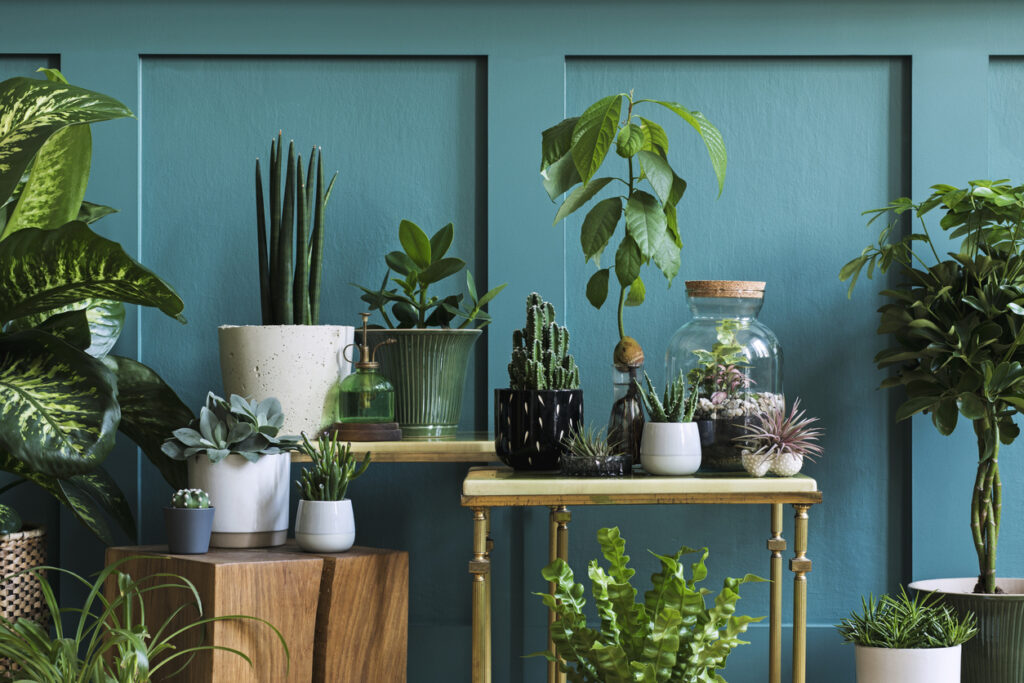
It’s tempting to bring home every gorgeous leafy thing you see, but resist the urge to overcrowd. Not only does it make your space feel cluttered, but packed plants can restrict airflow, spread pests faster, and compete for light. Start small and let your collection grow gradually. Give each plant room to breathe, both for health reasons and so you can properly monitor each one. A few well-spaced, thriving plants will always look better than a crowded jungle of struggling ones.
3. Know your plant’s personality.
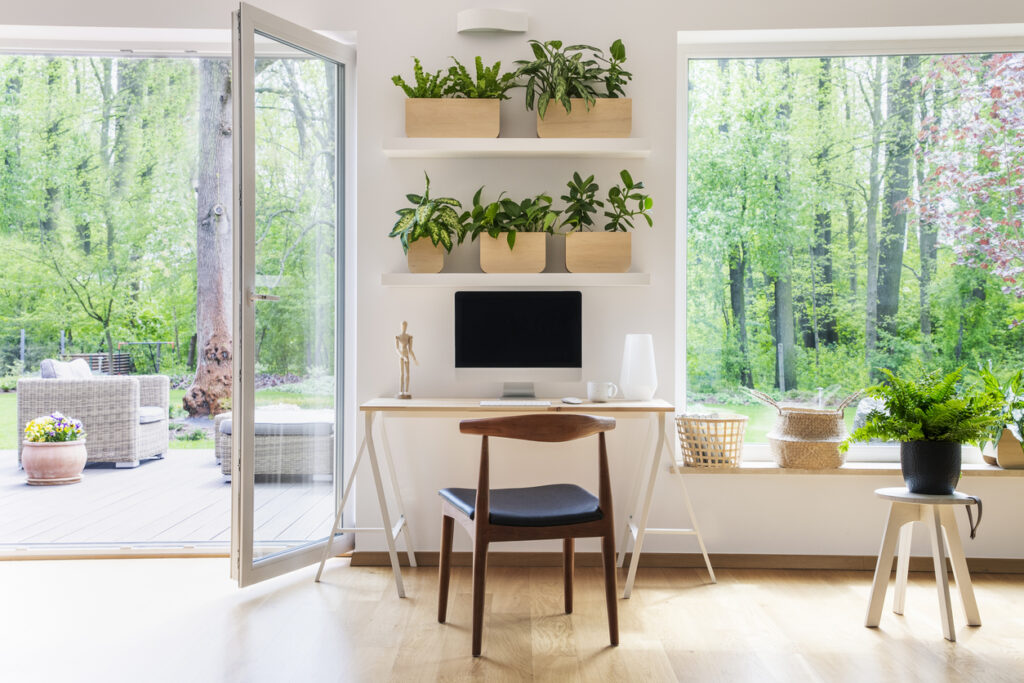
Different plants have different temperaments. Some need consistent watering and misting, while others are fine being forgotten for a week. Get to know what your specific plants like—there’s no such thing as one-size-fits-all care.
Take the time to research each new plant, or stick to tried-and-true varieties like pothos, peace lilies, or spider plants if you’re a beginner. Understanding your plant’s natural habitat can help you recreate the conditions it needs to thrive indoors.
4. Use the right pots (with drainage!).
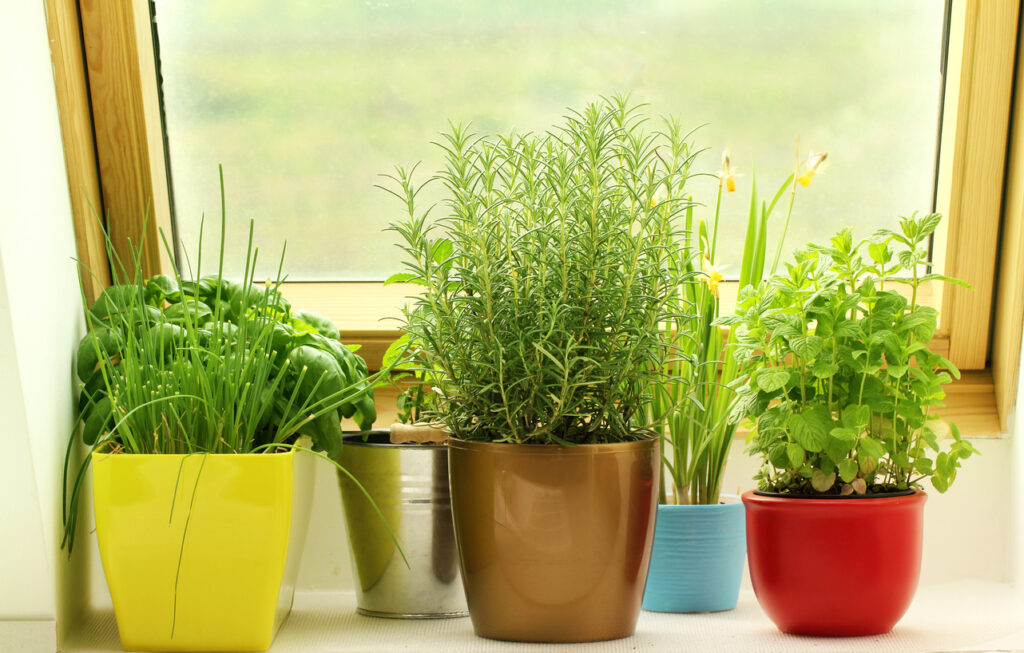
A pot without a drainage hole is basically a ticking time bomb. Without drainage, excess water has nowhere to go, and your plant’s roots can quickly rot. Always choose pots with holes at the bottom, or use a nursery pot inside a decorative cover pot.
If you fall in love with a ceramic pot that has no hole, just treat it as a cachepot. Place your plant in a plastic inner pot with drainage, then drop it into your pretty container. That way, you can still water safely without drowning your plant.
5. Don’t overwater (seriously).

This is the number one killer of houseplants. It’s easy to think a droopy plant needs more water, but often the opposite is true. Many plants hate sitting in soggy soil, and watering on a set schedule can do more harm than good. Instead, check the soil with your finger. If the top inch is dry, it’s probably time to water. If it still feels moist, wait a day or two. Plants prefer consistency over frequency, and learning when to hold off is one of the best skills you can develop.
6. Pay attention to humidity.
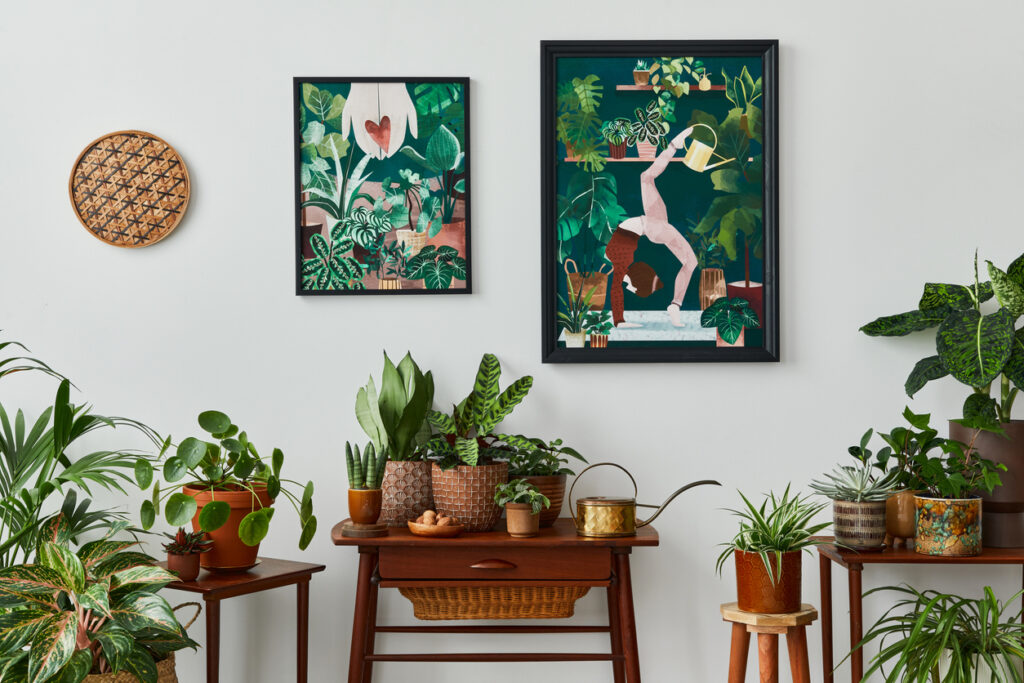
Indoor air, especially in winter, can get dry, and many tropical houseplants don’t love that. If your home has central heating, or you’re noticing brown leaf tips, it might be a sign that your plants are craving more humidity.
Simple fixes include misting your plants, grouping them together to create a microclimate, or using a humidity tray with pebbles. For a bigger solution, a small humidifier near your plant collection can make a massive difference, especially for finicky ferns and calatheas.
7. Don’t ignore temperature swings.
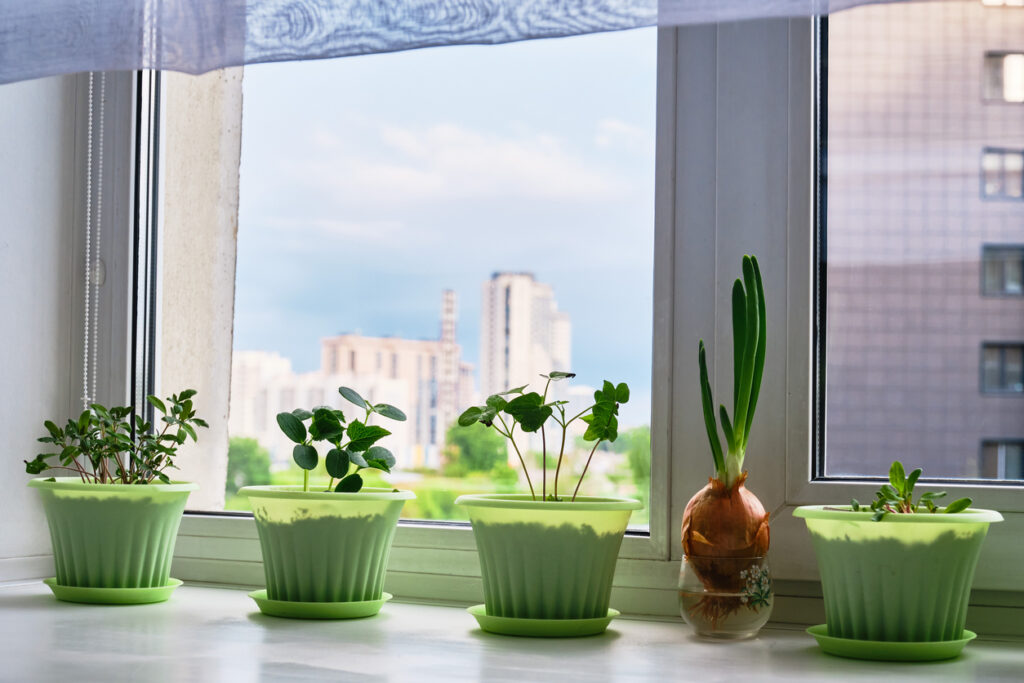
Most houseplants like the same temperatures we do—somewhere between 15 °C and 24 °C. But placing plants near radiators, drafty windows, or outside doors can expose them to sudden swings that stress them out. Try to keep your indoor garden in a relatively stable area, away from cold spots or blasts of heat. Plants can cope with a little fluctuation, but consistent extremes will leave them looking miserable and more vulnerable to disease.
8. Feed your plants (but not too much).
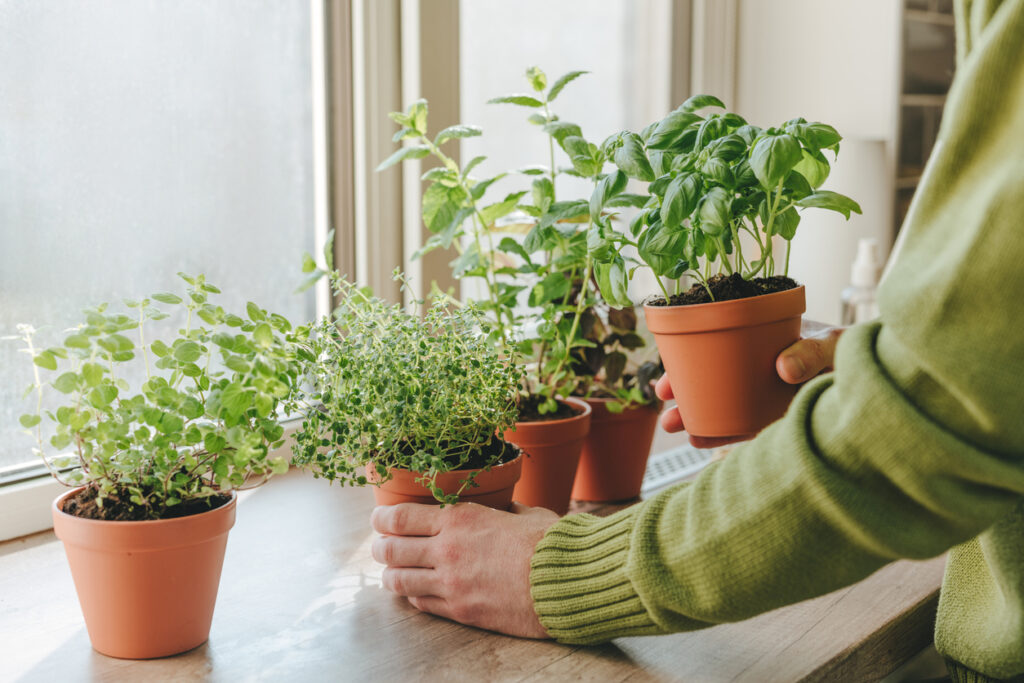
Plants in pots use up nutrients over time, and if you never feed them, they’ll eventually stall or decline. A balanced liquid houseplant fertiliser during the growing season (spring to early autumn) helps keep them lush and healthy. That said, more isn’t better. Overfeeding can cause root burn and weird growth. Stick to the label instructions, and never fertilise dry soil—always water first. In winter, most plants rest and don’t need extra feeding at all.
9. Rotate your plants.
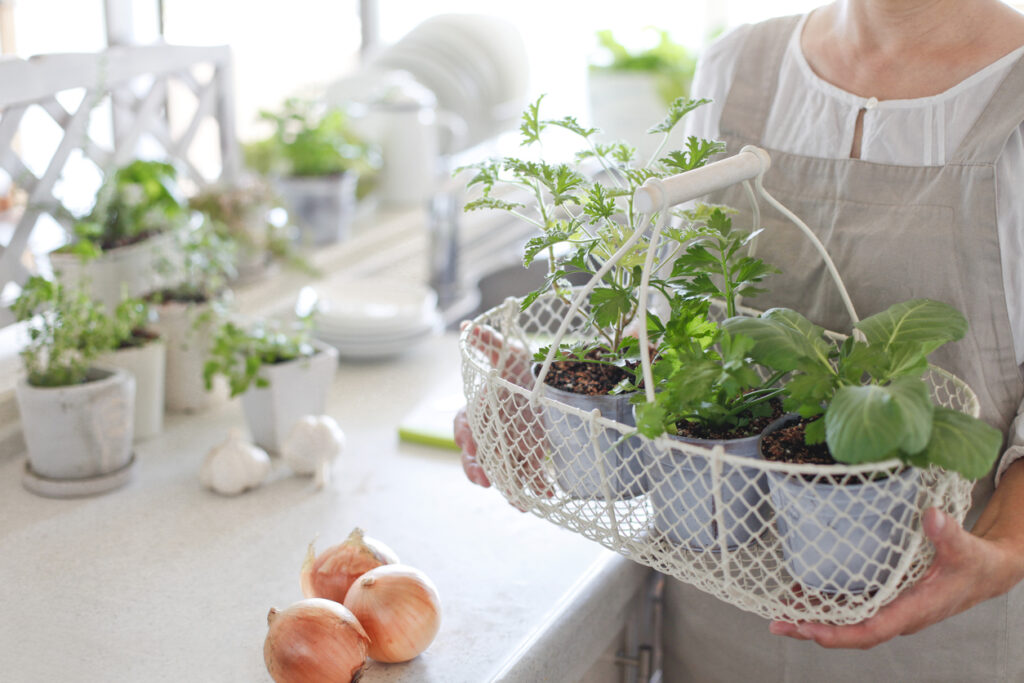
Indoor light usually comes from one direction, which means your plant will grow towards it and can end up lopsided. To encourage even growth, rotate your plant every week or so to expose all sides to the light. It’s a small habit, but it makes a visible difference. Your plant will grow more balanced, and you’ll get a better view of it from all angles. It also gives you a chance to inspect for pests or yellowing leaves you might not have seen otherwise.
10. Watch for pests early.
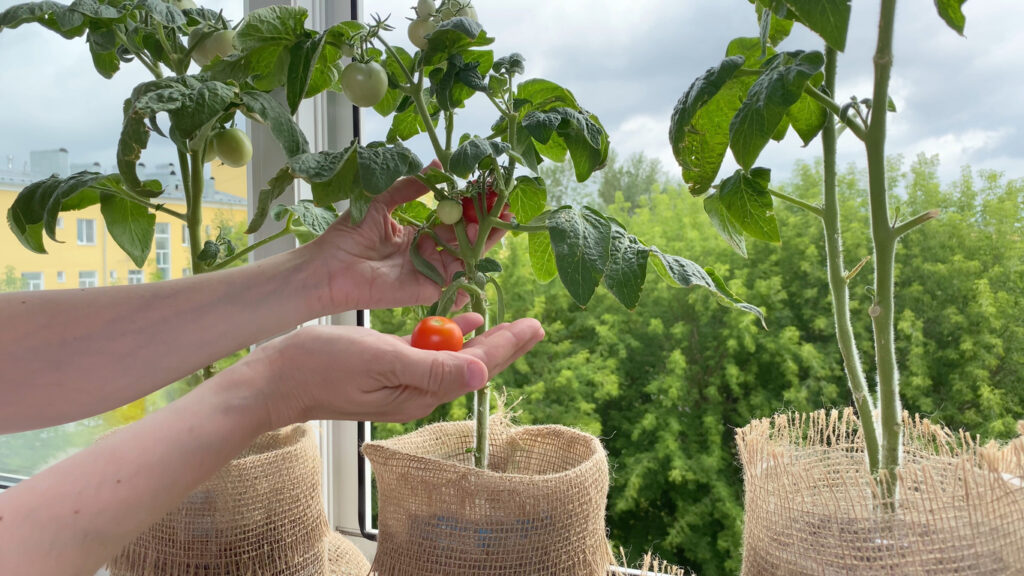
Even the cleanest indoor gardens aren’t immune to bugs. Common culprits like spider mites, mealybugs, and fungus gnats can show up out of nowhere, especially if you bring in a new plant without checking it properly. Make it a habit to look at the undersides of leaves, the stems, and the topsoil when you water. Catching pests early makes them far easier to deal with. And always quarantine new plants for a week or two before introducing them to your main collection.
11. Don’t panic over a dropped leaf.
Plants drop leaves. It’s normal. Sometimes it’s seasonal, sometimes it’s due to a move or a small shock. One or two yellowing leaves isn’t a crisis—it’s just your plant adjusting or shedding older growth. If the issue becomes consistent or widespread, then it’s worth investigating light, watering, or pests. However, most of the time, a single fallen leaf is no reason to worry. Indoor plants aren’t ornaments—they’re living things with their own rhythms.
12. Group plants with similar needs.
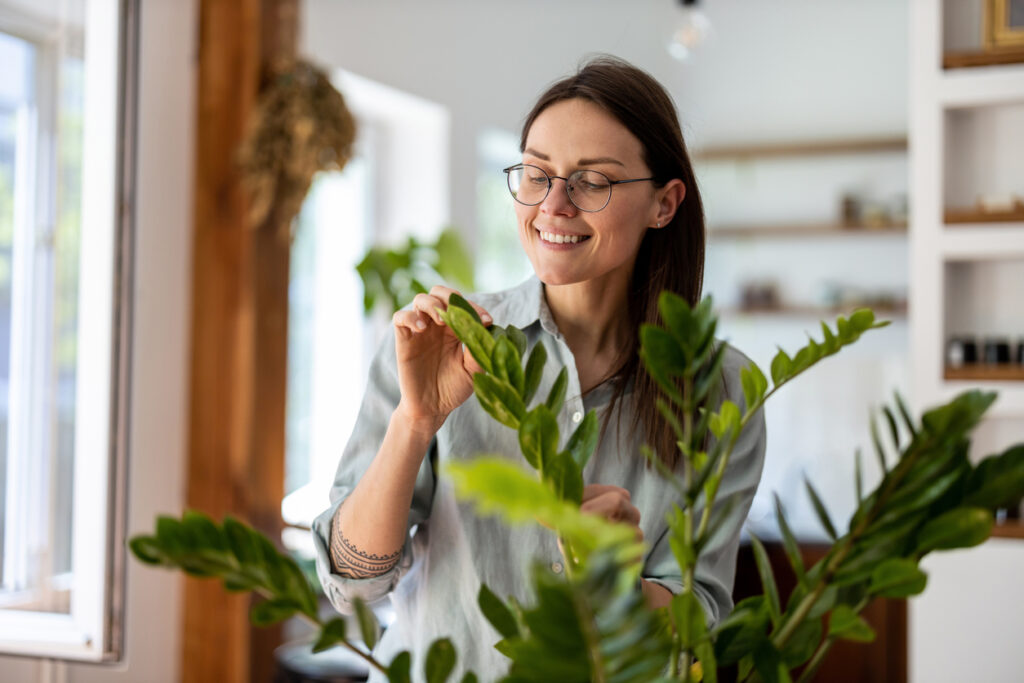
If you’re creating a little jungle corner, try to group plants that like similar conditions. It makes care much easier—you won’t accidentally overwater a cactus while trying to keep your fern happy. Think in terms of zones: one for humidity lovers, one for dry-soil fans, and one for low-light types. This kind of mini-ecosystem also helps with humidity and creates a more cohesive look, whether it’s a shelf, table, or windowsill setup.
13. Enjoy the process, not just the aesthetics.

It’s easy to get caught up in what looks Instagram-worthy, but the real joy of indoor gardening comes from the routine. Checking leaves, noticing new growth, repotting something that’s thriving—it’s all part of a slow, satisfying rhythm. Plants bring beauty and calm, but they also teach patience and presence. You’re not just decorating your home; you’re building a little ecosystem. And the more you engage with it, the more rewarding it becomes.