Animals aren’t exactly shy about letting you know what they think of you, and most of the time, they’re not looking at you with a lot of warmth.

Whether it’s a cat staring you down from the top of a bookshelf or a cow giving you a long, slow blink from across a fence, you get the distinct impression you’ve been weighed up and found wanting. They’re not bothered about being polite or hiding their boredom, which makes their reactions feel a lot more honest than anything you’ll get from a person. If you’ve ever walked into a room and felt like you’re not meeting a certain standard of cool, it’s probably because a literal beast of the field is currently giving you the side-eye. Here are some of the most judgemental creatures out there.
1. Cats
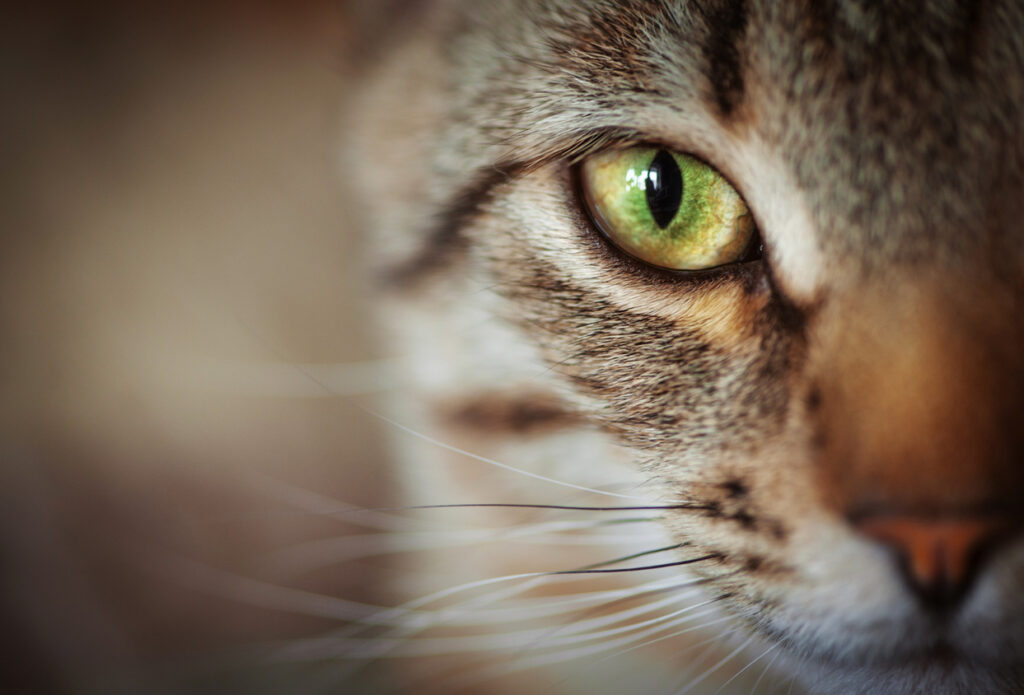
Cats are the obvious starting point because they’ve practically made an art form of the slow, assessing stare. They’ll look you up and down, decide whether you’re worth their time, and either stay or leave the room without explanation. If a cat chooses to ignore you, it’s not personal, but it absolutely feels personal. The ones who do warm to you tend to make you feel like you’ve genuinely earned something.
2. Horses

Horses read body language better than most humans do, which means they clock your nerves, your posture, and your energy before you’ve said a word. If you’re tense they’ll be tense, and if you’re uncertain, they’ll question whether they should trust you at all. Experienced riders know that horses are essentially holding you to a standard the whole time. It’s less judgement and more a very accurate assessment.
3. Crows
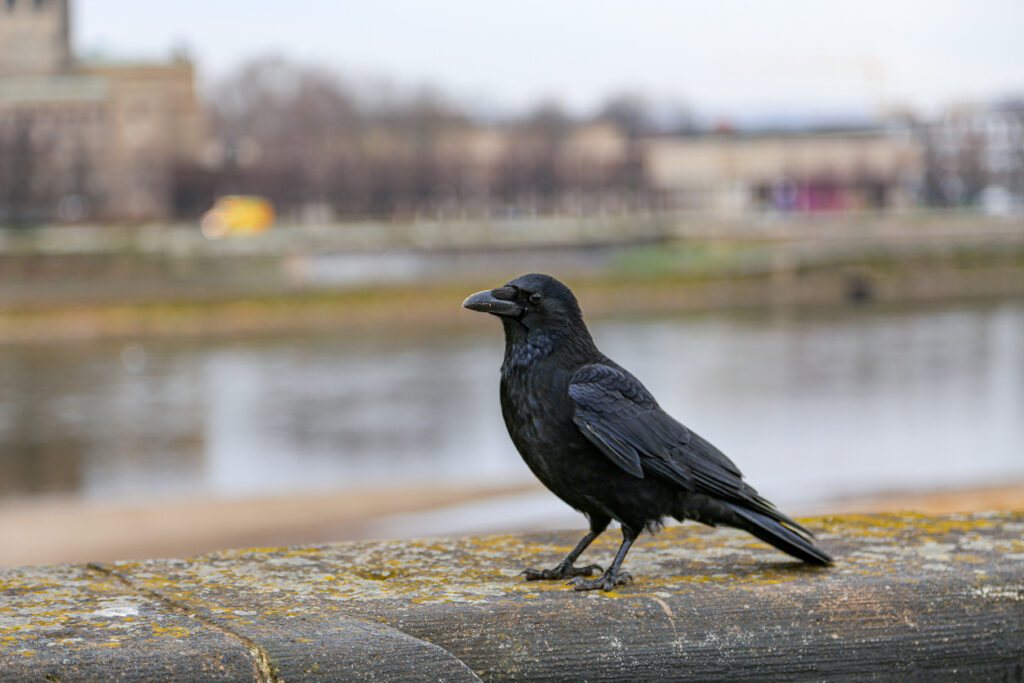
Crows actually remember individual human faces and will hold a grudge if you’ve done something they didn’t appreciate. There are documented cases of crows targeting specific people repeatedly after a single negative encounter. On the flip side, they also remember kindness and have been known to bring small gifts to people who feed them regularly. Being on the wrong side of a crow is a surprisingly specific experience.
4. Geese
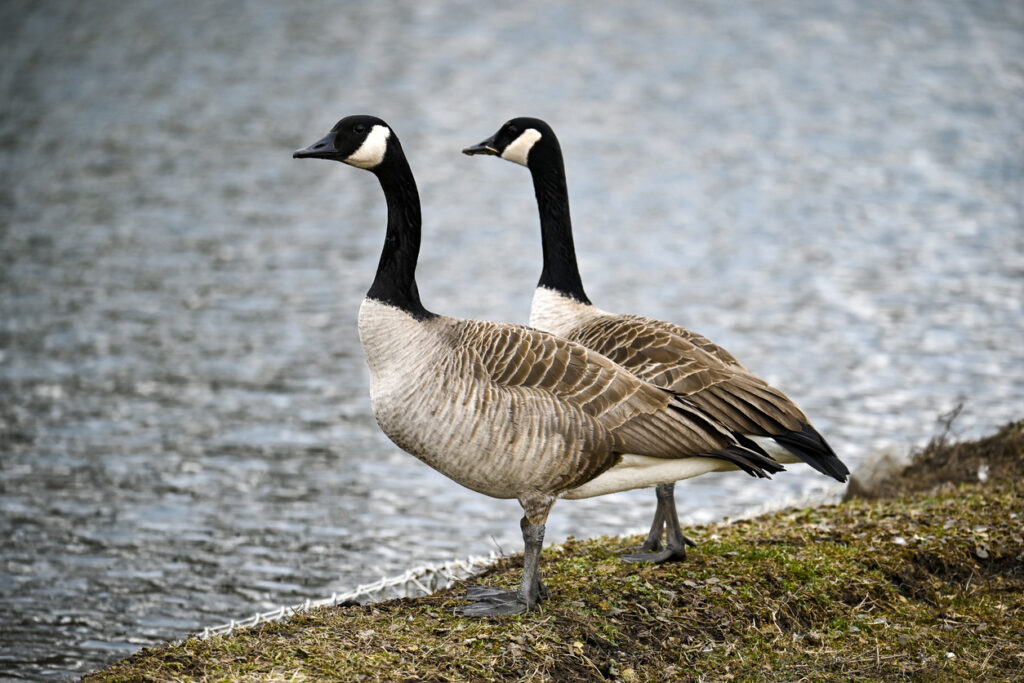
Geese seem to operate on the assumption that everyone is a threat until proven otherwise, and even then, they’re not fully convinced. They’ll track your movements across a car park with an intensity that feels deeply personal. The fact that they’ll also physically come for you if they decide you’ve crossed a line makes the judgement feel rather high stakes. Most people who’ve been chased by a goose don’t forget it.
5. Dogs (other people’s)
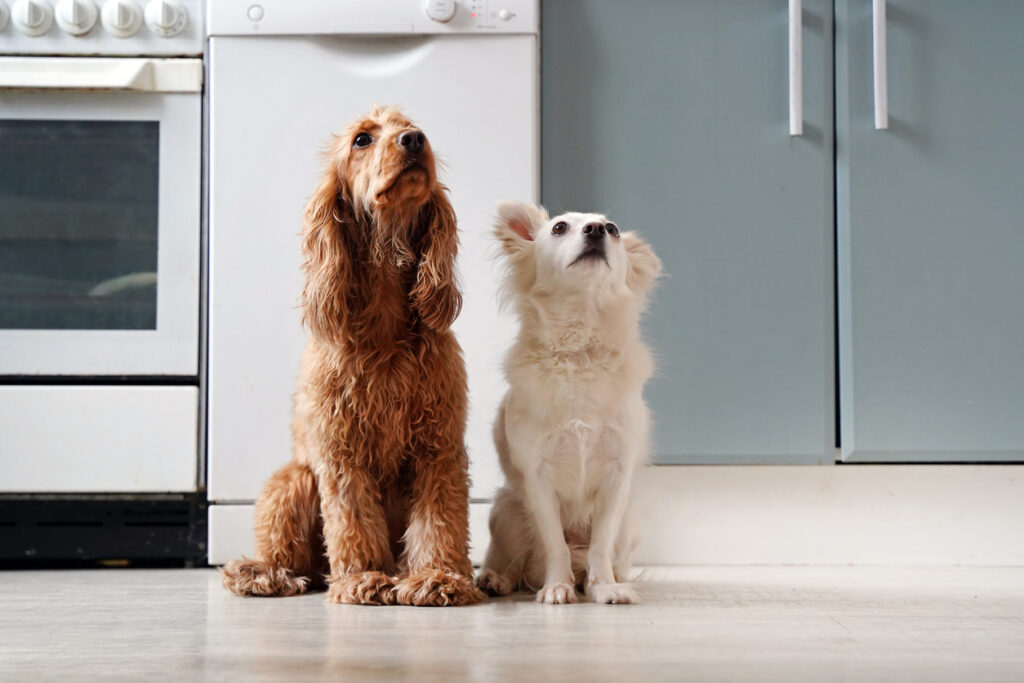
Your own dog thinks you’re wonderful, but other people’s dogs will sometimes take one look at you and want nothing to do with you. They pick up on subtle cues in your posture, scent, and demeanour that you’re probably not even aware of yourself. Some dogs are simply selective about people, and being on the wrong end of that feels oddly deflating. The ones who warm up to you eventually always feel like a win.
6. Swans

Swans carry themselves with a confidence that makes you feel like you’ve wandered into somewhere you weren’t invited. They don’t panic or back down, they just look at you steadily until one of you moves. If you linger too long near their space, they’ll make it very clear that you’re the one who needs to leave. Beautiful birds, absolutely no patience for anyone they haven’t approved of.
7. Octopuses
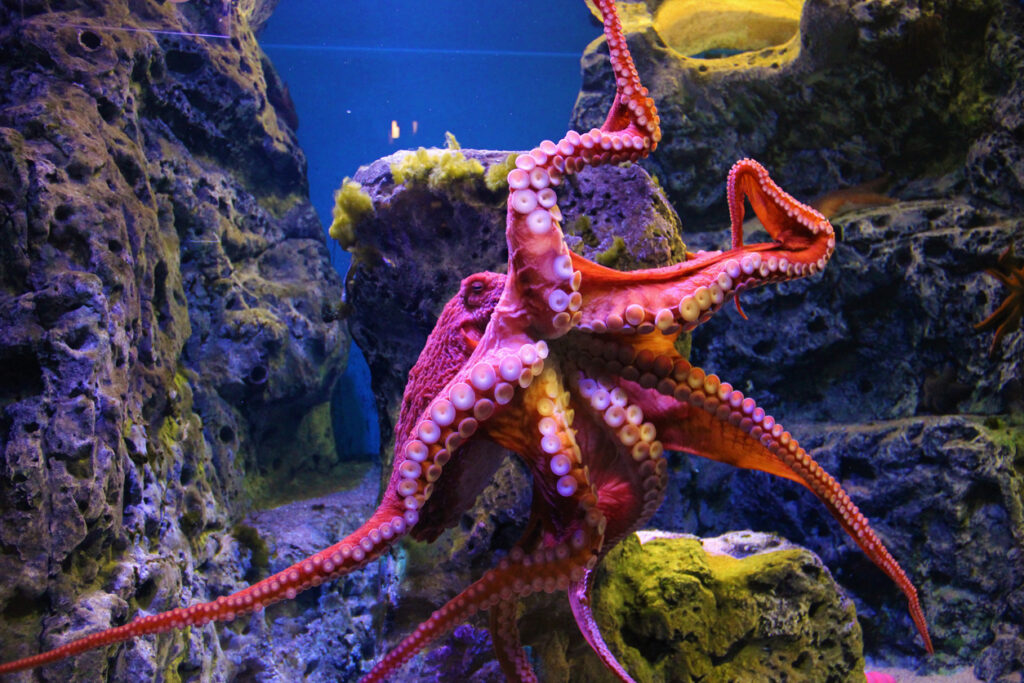
Research has shown that octopuses can recognise individual humans and develop clear preferences among the people they encounter regularly. At one aquarium, an octopus repeatedly sprayed water at a specific staff member it had taken a dislike to, while leaving everyone else alone. They’re intelligent enough to form opinions, which somehow makes being disliked by one feel more pointed than it probably should.
8. Llamas
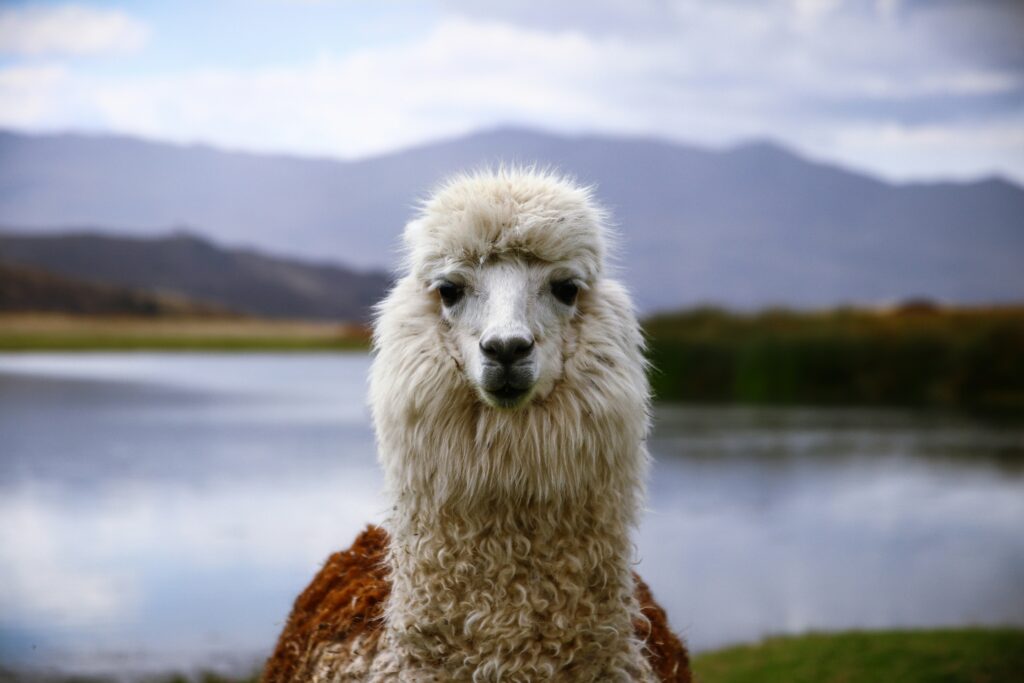
Llamas have a look that suggests they find everything around them mildly disappointing, including you. They’ll assess you with a slow, heavy-lidded gaze that’s hard to read as anything other than judgement. If they decide they don’t like you they’ll let you know, either by turning their back or, in more extreme cases, spitting. The spitting is less funny when it’s directed at you specifically.
9. Elephants

Elephants have long memories and strong social bonds, which means they form real opinions about the humans they encounter. They can distinguish between people who have treated them well and those who haven’t, and they respond accordingly over time. Wildlife researchers working closely with elephants often report that individuals seem to decide fairly quickly whether a person is trustworthy. Being accepted by an elephant feels genuinely meaningful because they don’t extend that trust easily.
10. Cockatoos
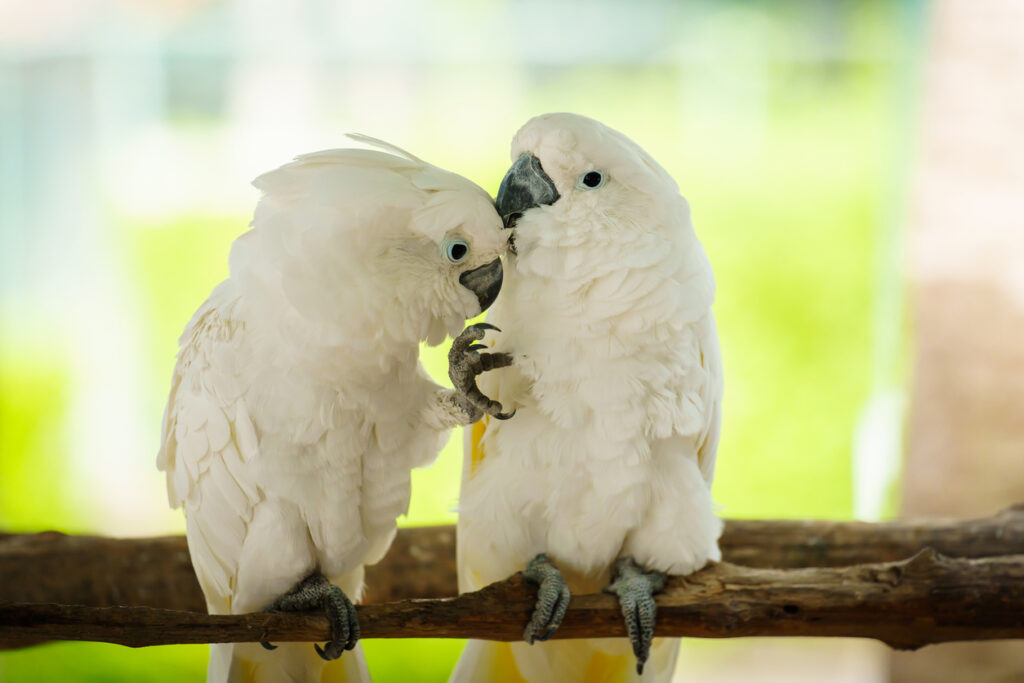
Cockatoos bond intensely with certain people and are openly suspicious of everyone else. They’ll watch a stranger across the room with visible unease, and won’t hesitate to let you know if someone has come too close for comfort. They’re also smart enough to test people, pushing boundaries to see how they respond. If a cockatoo decides it likes you, it’ll be completely devoted, but getting there takes more than just showing up.
11. Magpies
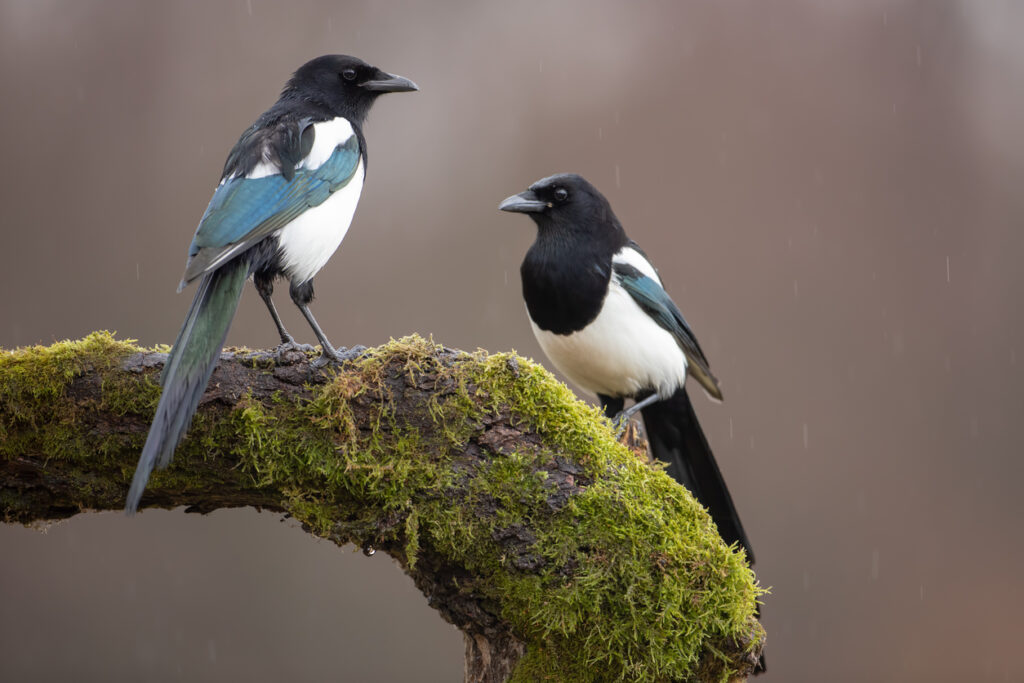
Magpies, like crows, recognise and remember human faces with remarkable accuracy. They’ve been studied swooping on specific cyclists during nesting season while leaving others entirely alone, which suggests very targeted decision-making. Once a magpie has decided you’re a problem, it tends to stick with that position for the entire season. It’s one of those situations where you’re not quite sure what you did, but you’re clearly being held accountable for it.
12. Donkeys
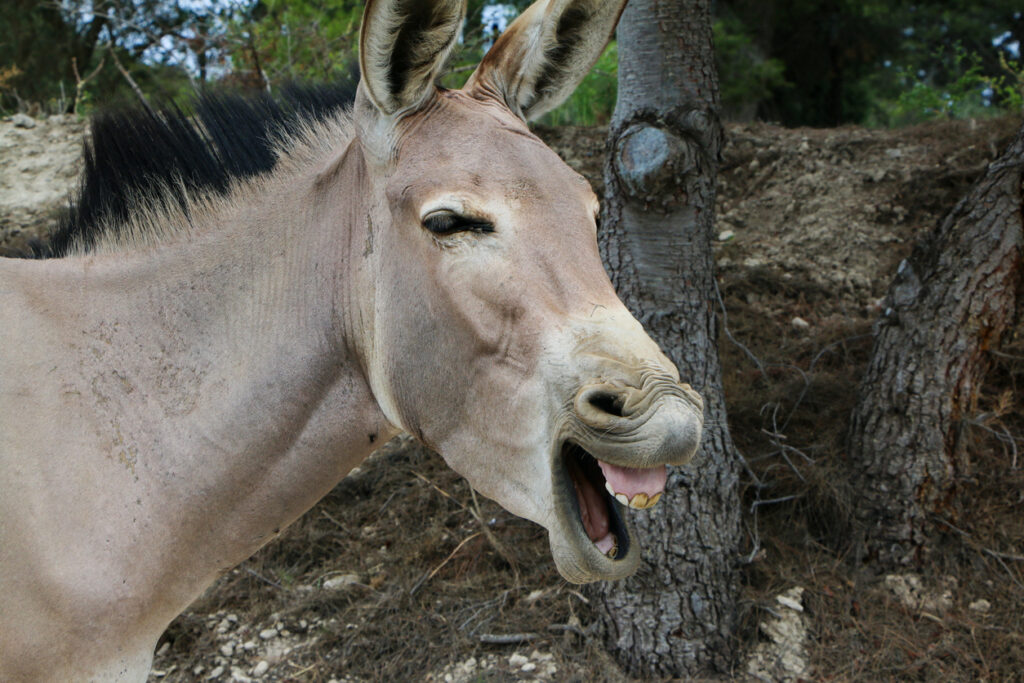
Donkeys are often mistaken for stubborn animals, but what they’re actually doing is making a careful judgement call before they commit to anything. They won’t be rushed or pressured, and if they don’t trust you they simply won’t cooperate, no matter what you do. They respond well to patience and calm, and once they do trust someone, they’re remarkably loyal. Getting a donkey to like you takes genuine effort, which makes it feel well worth it.
13. Guinea fowl
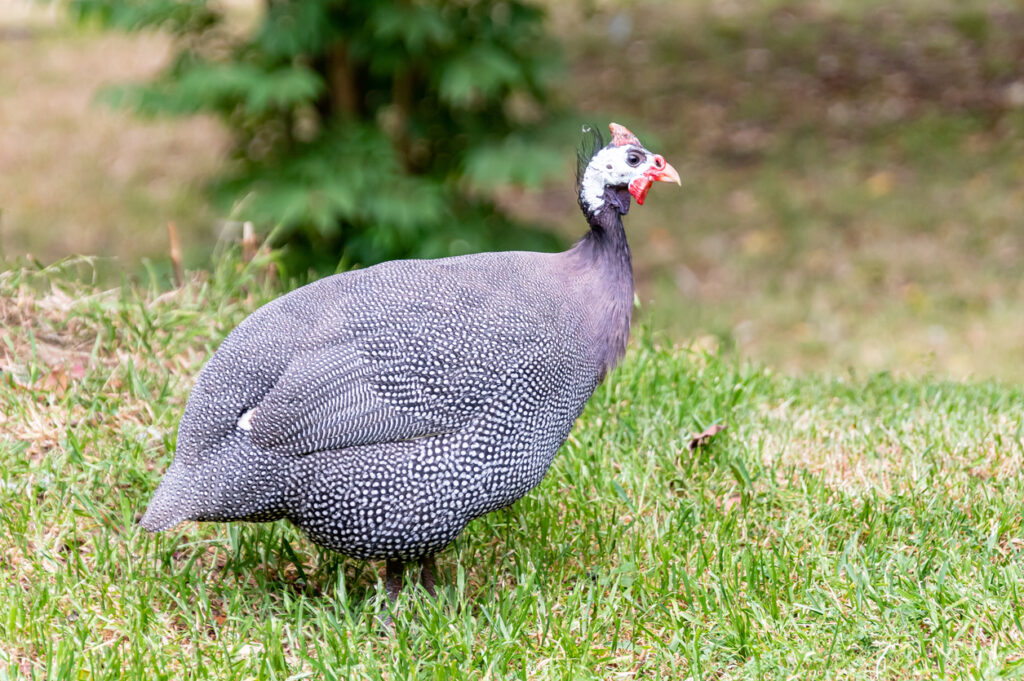
Guinea fowl are perpetually alarmed by the world, but they do seem to reserve a particular level of suspicion for specific people. They’re loud, watchful, and will sound the alarm at something they’ve decided is suspicious while completely ignoring something objectively more startling nearby. Farmers who keep them often notice they’ll tolerate some people wandering through and absolutely not others. Nobody fully understands the criteria, but the guinea fowl clearly have some.