In the wild, being fast often isn’t about how quickly you can run, but how fast you can react when a meal finally comes within reach.
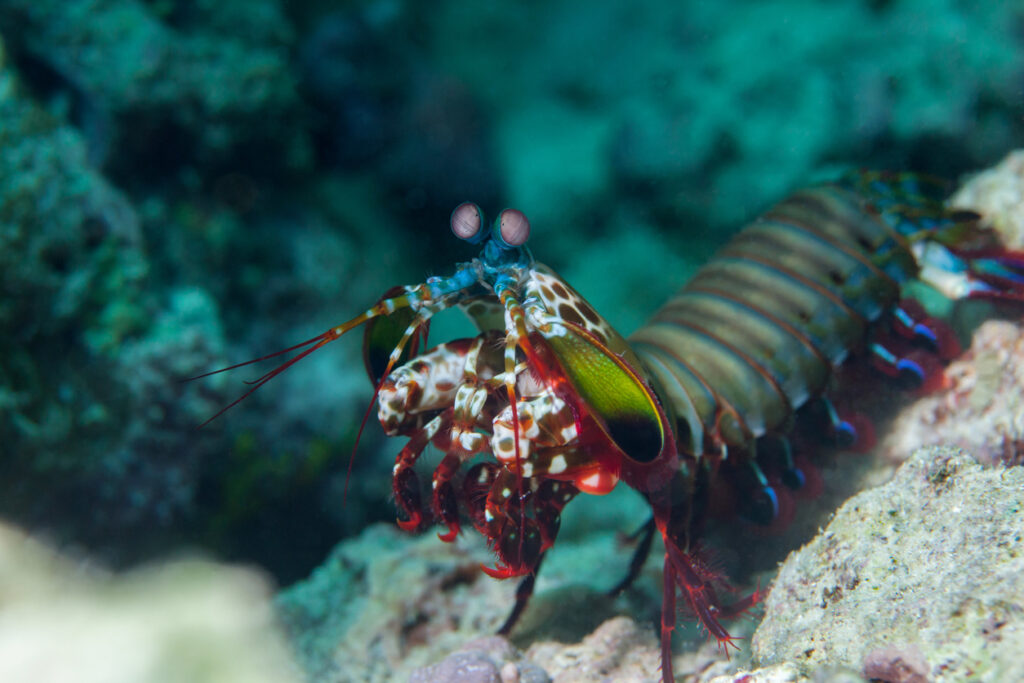
Whether it’s a mantis shrimp delivering a punch that’s faster than a bullet or a common housefly dodging a swat before your brain even registers it’s moved, these predators operate on a completely different timeline to us. While we’re stuck with a relatively sluggish response time, these 12 creatures have evolved nervous systems that can trigger a strike or a pounce in a fraction of a millisecond. Seeing the science behind these lightning-fast reflexes shows that for the most elite hunters, the game is won or lost in the blink of an eye.
1. Mantis shrimp can punch faster than a bullet travels through water.
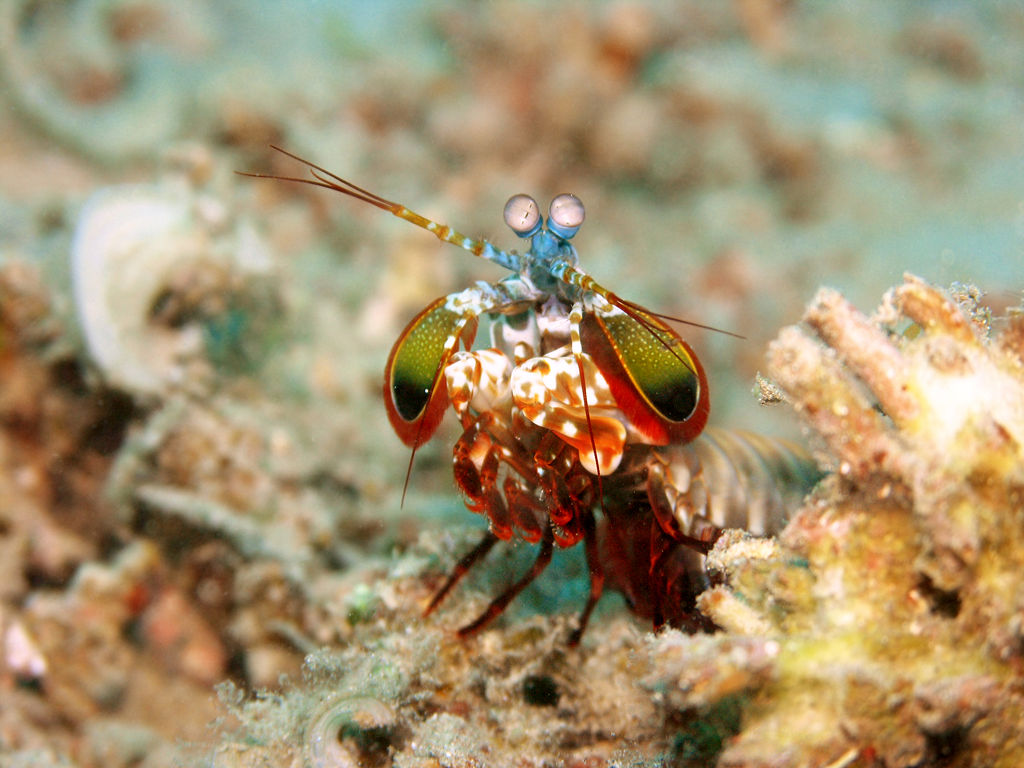
These colourful crustaceans have spring-loaded appendages that strike in just 2.7 milliseconds, creating shockwaves powerful enough to stun or kill prey even if they miss direct contact. The punch accelerates at the same rate as a .22 calibre bullet and generates cavitation bubbles that collapse with enough force to produce light and heat. Their eyes can process visual information far faster than humans, too, so they’re not just quick to strike but quick to spot opportunities.
2. Peregrine falcons dive at speeds over 240 mph with perfect timing.
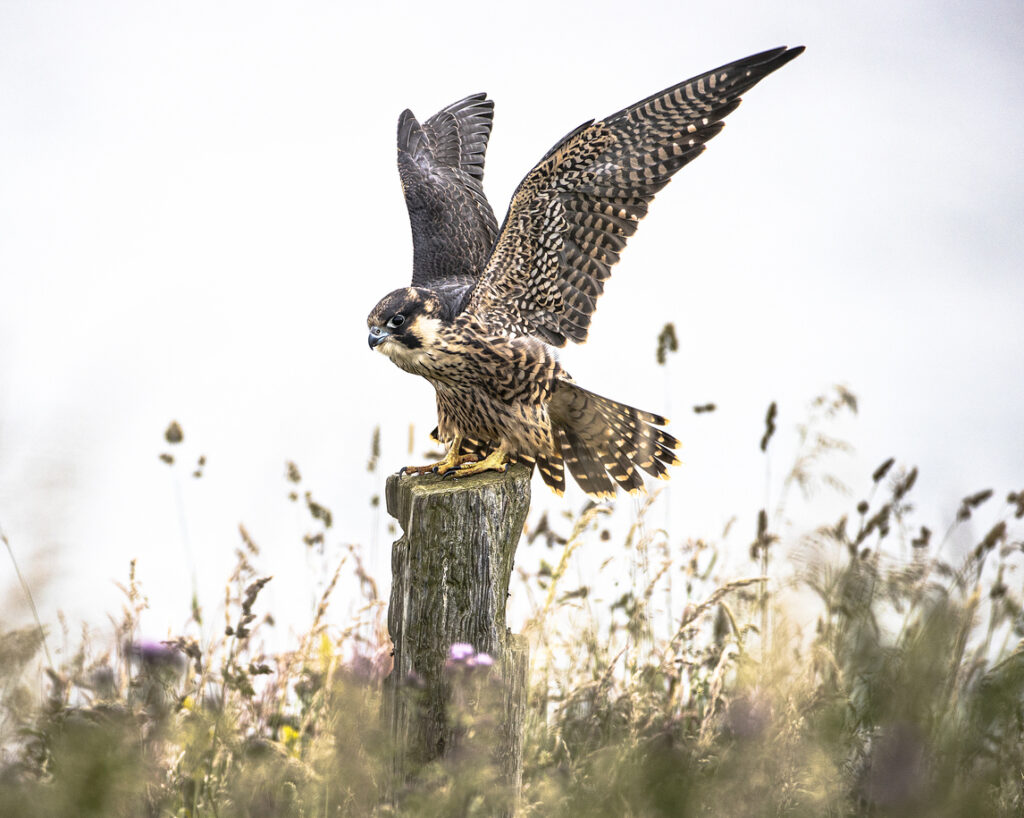
When hunting midair, these birds must calculate trajectory, speed, and wind conditions while plummeting towards prey at incredible velocity, then strike at precisely the right millisecond. Their visual processing is so fast, they can track and adjust to a fleeing pigeon’s evasive manoeuvres in real-time during the dive. Missing by even a fraction of a second means losing the prey and wasting enormous amounts of energy, so their reflexes have evolved to be extraordinarily precise.
3. Star-nosed moles identify and consume prey in under a quarter of a second.
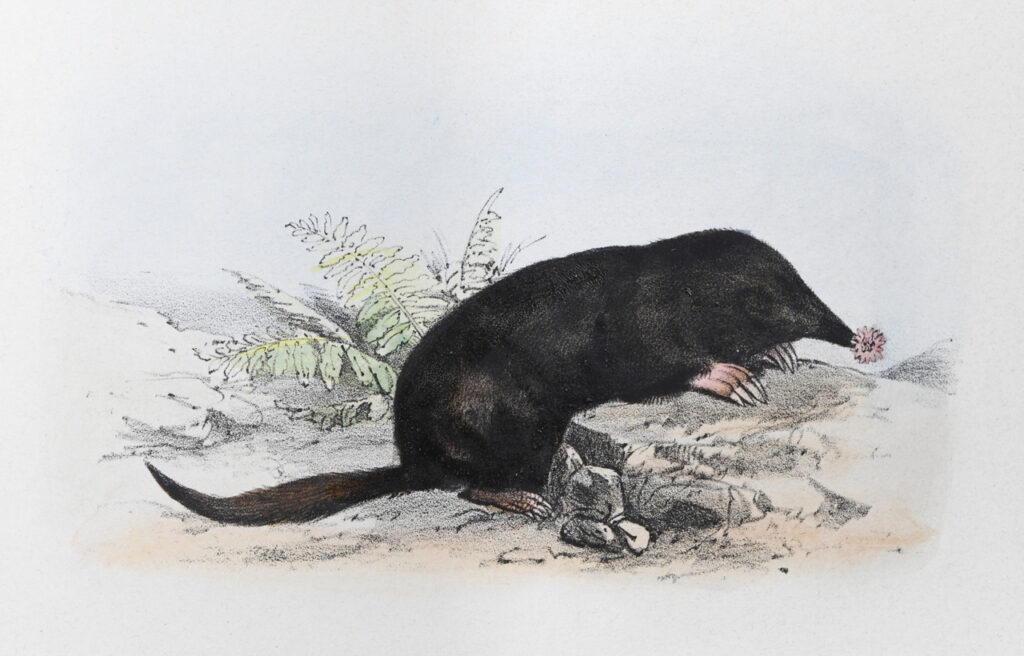
These bizarre-looking mammals hold the record for fastest eating, touching potential food items with their star-shaped nose and deciding whether to consume them in just 227 milliseconds. The nose contains over 100,000 nerve fibres that process tactile information faster than any other mammal, letting them hunt efficiently in complete darkness underground. They can examine 12 different objects per second while tunnelling through soil, searching for worms and insects.
4. Trap-jaw ants close their mandibles in 0.13 milliseconds.
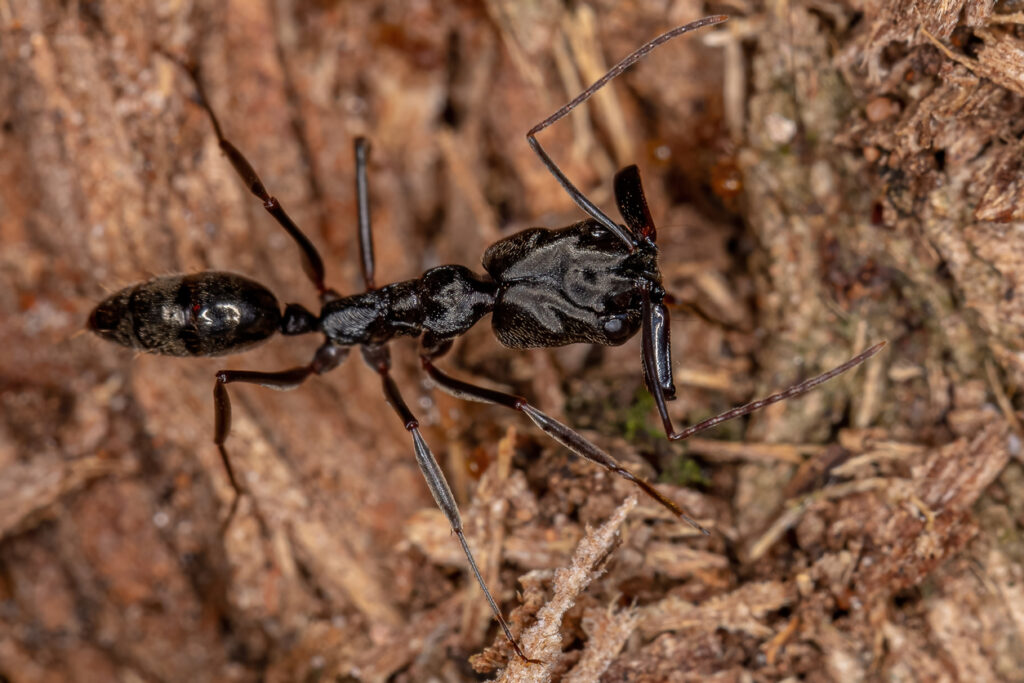
These ants have the fastest predatory strike in the animal kingdom, snapping their jaws shut at speeds up to 145 mph. The movement is so fast it’s literally too quick for muscles to control directly, so they use a latch mechanism that stores energy then releases it explosively. They use this incredible speed both to capture prey and as a defence mechanism, launching themselves away from danger by biting the ground.
5. Archerfish spit water to knock insects off branches with incredible accuracy.
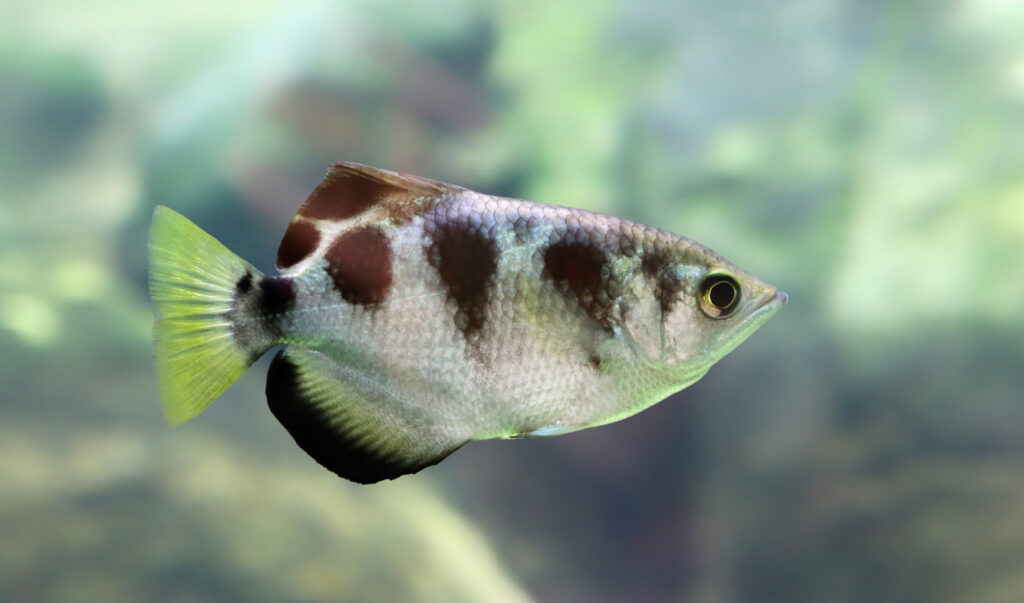
These fish can calculate the refraction of light through water, adjust for the insect’s height and movement, and fire a jet of water that hits the target in less time than it takes to blink. They start forming their shot within 100 milliseconds of spotting prey, which requires processing complex physics calculations almost instantly. The fish then have to react quickly again to catch the falling insect before it drifts away or gets stolen by competitors.
6. Dragonflies intercept flying prey with a 95% success rate.
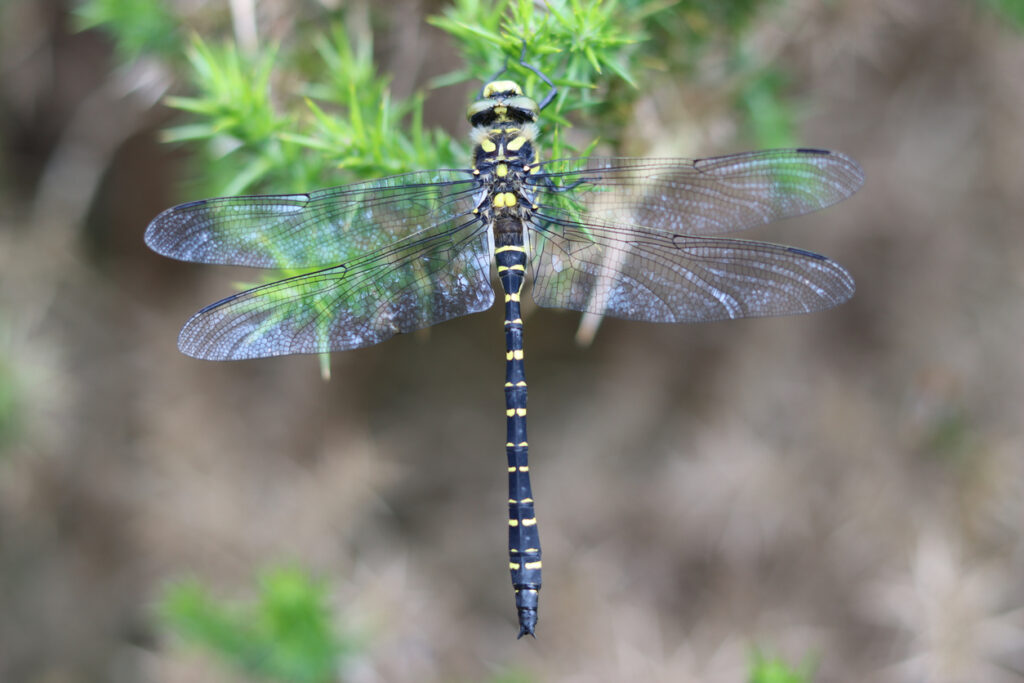
Their compound eyes process visual information so quickly they can predict where a mosquito will be milliseconds in the future and intercept it mid-flight. Dragonflies can track multiple prey items simultaneously while flying at high speeds and making rapid directional changes. Each eye has about 30,000 lenses working together, and their brain processes the information fast enough to catch prey that’s also trying to evade them.
7. Tiger beetles run so fast they temporarily blind themselves.
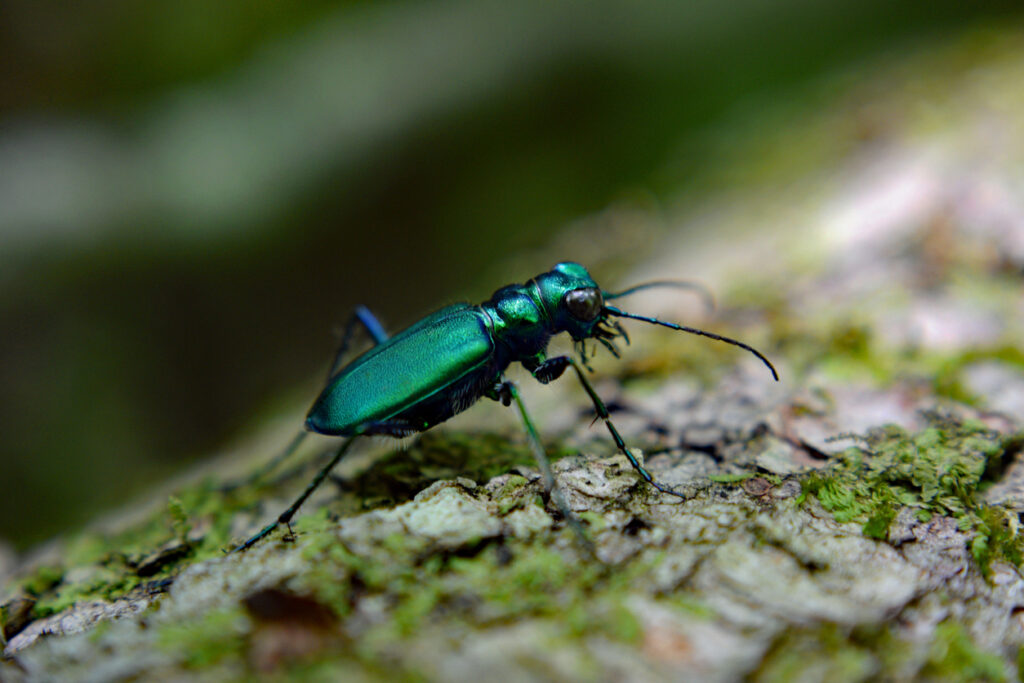
These insects can sprint at speeds where their visual system can’t process information quickly enough to see where they’re going, so they have to stop briefly to reorient. Despite this limitation, they’re incredibly effective predators because their initial burst of speed and reflexive adjustments happen faster than most prey can react. They can change direction mid-sprint in response to prey movements, showing that their motor reflexes work even when their vision can’t keep up.
8. Electric eels discharge within 3 milliseconds of detecting prey.
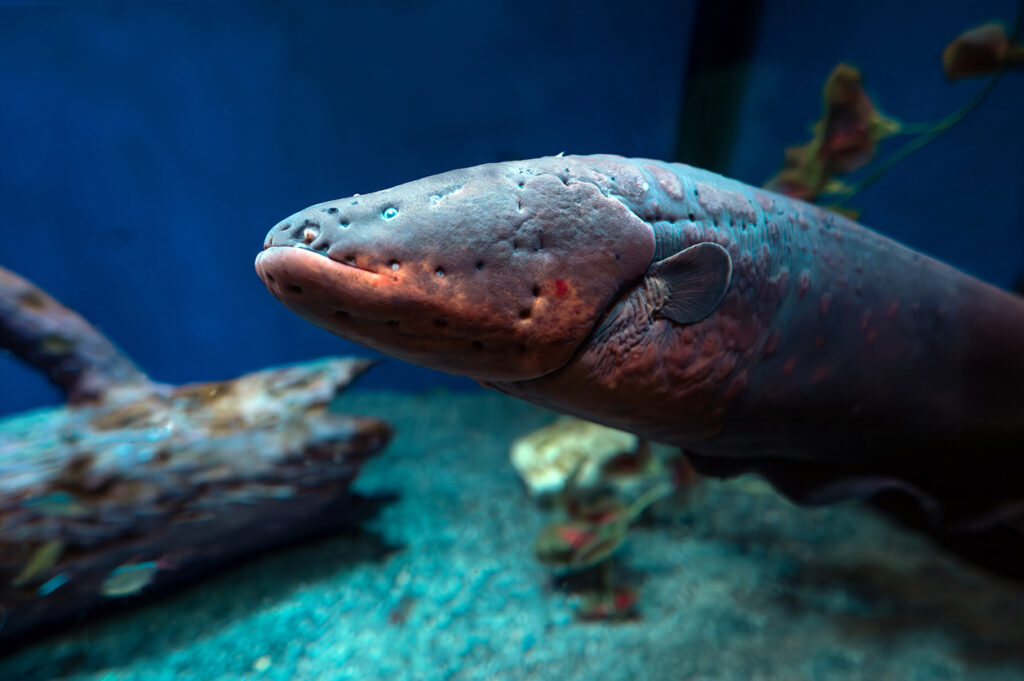
When their electroreceptors sense movement from potential prey, these fish can fire an 860-volt shock almost instantaneously to stun their target. The electrical discharge is precisely timed to hit prey before they can escape, and the eel can fire multiple times in rapid succession if needed. Their entire nervous system is built for speed, with some of the fastest signal transmission found in any fish.
9. Chameleons extend their tongues faster than the human eye can follow.

A chameleon’s tongue accelerates at 2,590 metres per second squared, reaching full extension in about 20 milliseconds to snatch insects from surprising distances. The tongue can be up to twice the length of the chameleon’s body, and returns with the prey stuck to a specialised pad at the tip. It requires perfect timing and accuracy because the chameleon gets one shot, and if they miss, the prey escapes while they’re retracting.
10. Rattlesnakes strike in less than 100 milliseconds.
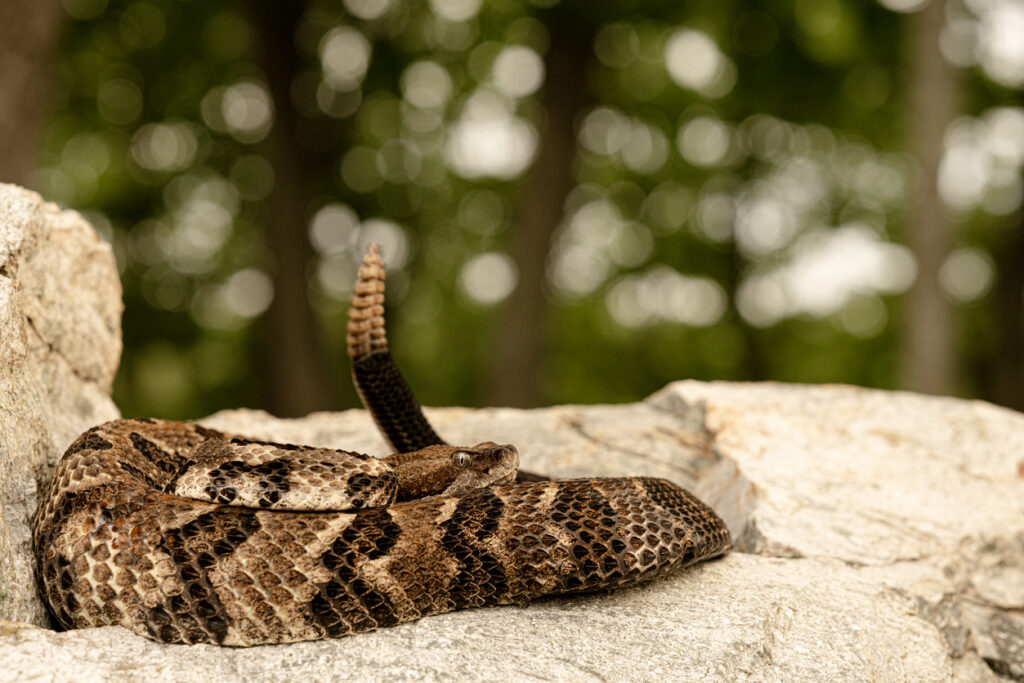
These snakes can detect infrared radiation from warm-blooded prey and strike before the animal even registers danger, with some strikes clocked at 50 milliseconds from start to finish. The strike is primarily a reflex response rather than a consciously controlled action, which is why it happens so incredibly fast. They can adjust mid-strike based on the prey’s movement, showing their nervous system processes information and updates commands during the attack itself.
11. Domestic cats have reflexes fast enough to right themselves while falling.

When a cat falls, it can twist its body to land on its feet in just 125 milliseconds, faster than the blink reflex in humans. The same rapid response system helps them hunt, letting them adjust paw strikes mid-swipe to intercept fast-moving prey like mice or birds. Their vestibular system processes balance information incredibly quickly, and their flexible spine lets them execute the physical movements their reflexes demand.
12. Cuttlefish change colour and texture in 300 milliseconds.

While not a strike reflex, this incredibly fast camouflage response helps them both ambush prey and avoid becoming prey themselves. They process visual information about their surroundings and replicate complex patterns almost instantaneously through thousands of chromatophores in their skin. That defensive reflex is one of the fastest colour changes in nature, and happens faster than most predators can complete an attack.