Most gardeners don’t mean to hurt their plants, but when it comes to watering, it’s surprisingly easy to get it wrong.
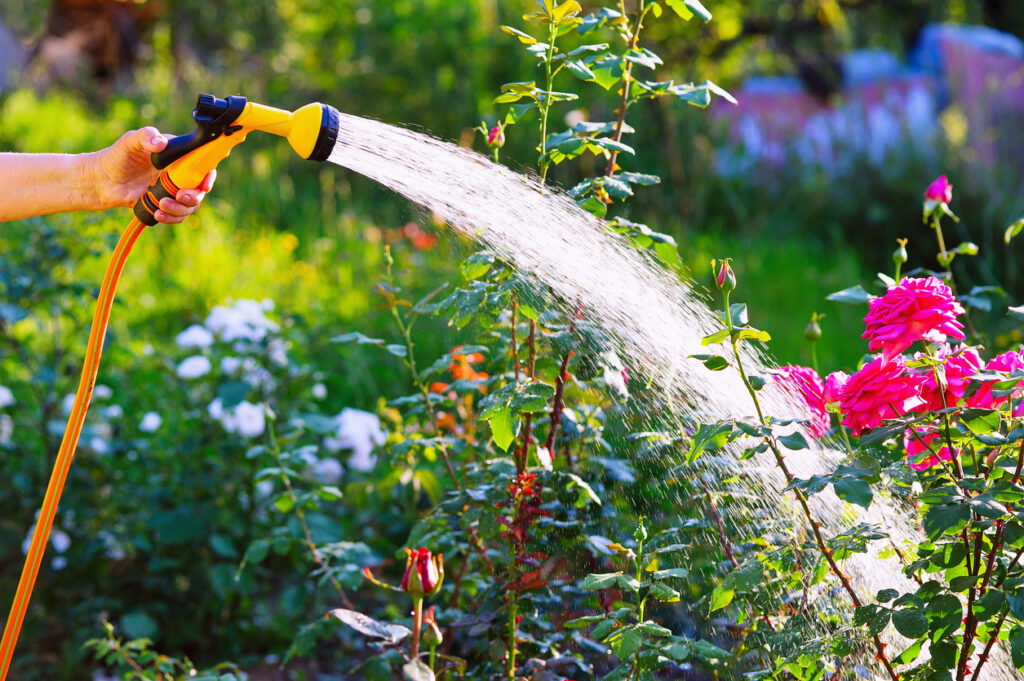
One week your plants are drooping, the next they’ve gone yellow, and you’re left guessing whether they need more water or less. Both overwatering and underwatering can look similar at first, and both can ruin your garden if you’re not paying attention. Here are some of the most common ways people accidentally mess it up, plus a few easy tweaks to keep your plants happy and thriving.
1. Watering on a set schedule, not based on the weather
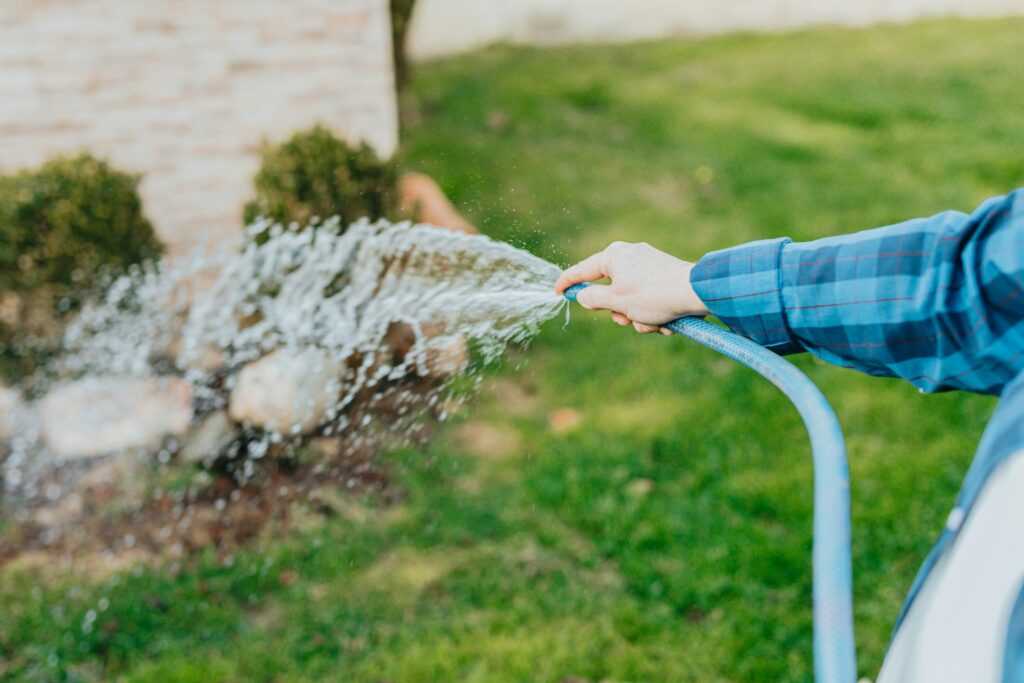
Sticking to a set routine, such as watering every other day, might sound sensible, but it doesn’t account for what the weather’s actually doing. If it’s been raining, your soil likely doesn’t need more moisture. If it’s been baking hot, it probably needs extra. Instead of clockwork watering, check the soil first. Stick a finger in. If the top inch feels dry, water. If it’s still damp, leave it. Your plants care more about what’s happening underground than what day it is.
2. Light watering too often
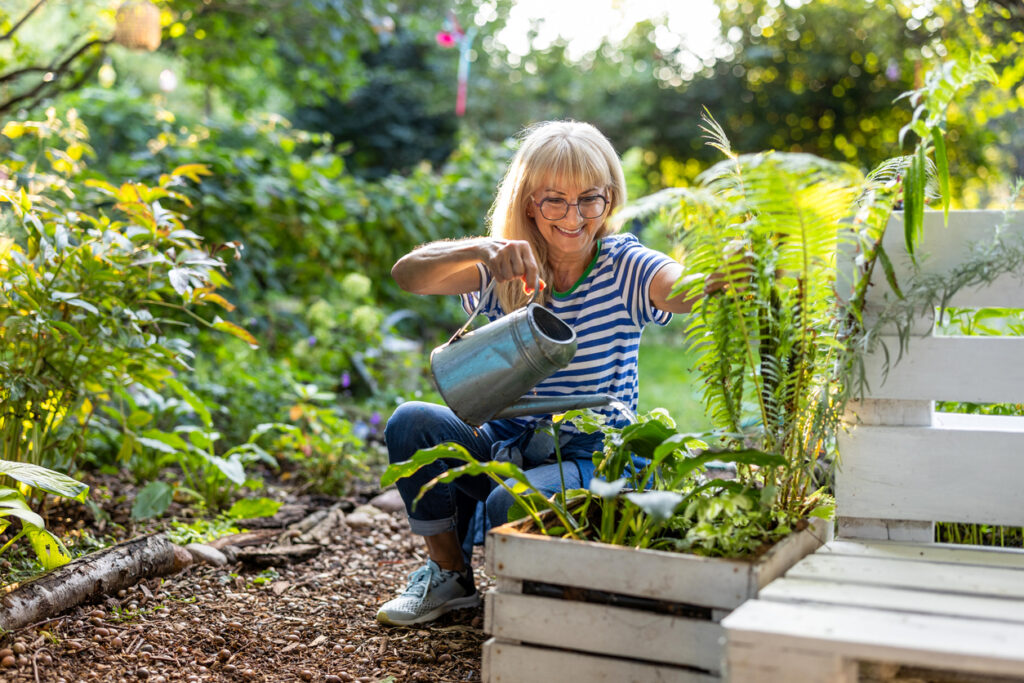
Giving your garden a quick sprinkle every day might seem helpful, but it usually does more harm than good. That shallow water only soaks the surface, encouraging roots to stay near the top, where they dry out faster. Instead, water deeply but less frequently. Let the moisture soak down to the root zone so plants grow strong, deep roots that can handle dry spells better. A good soak every few days beats a splash every morning.
3. Forgetting how different plants have different needs
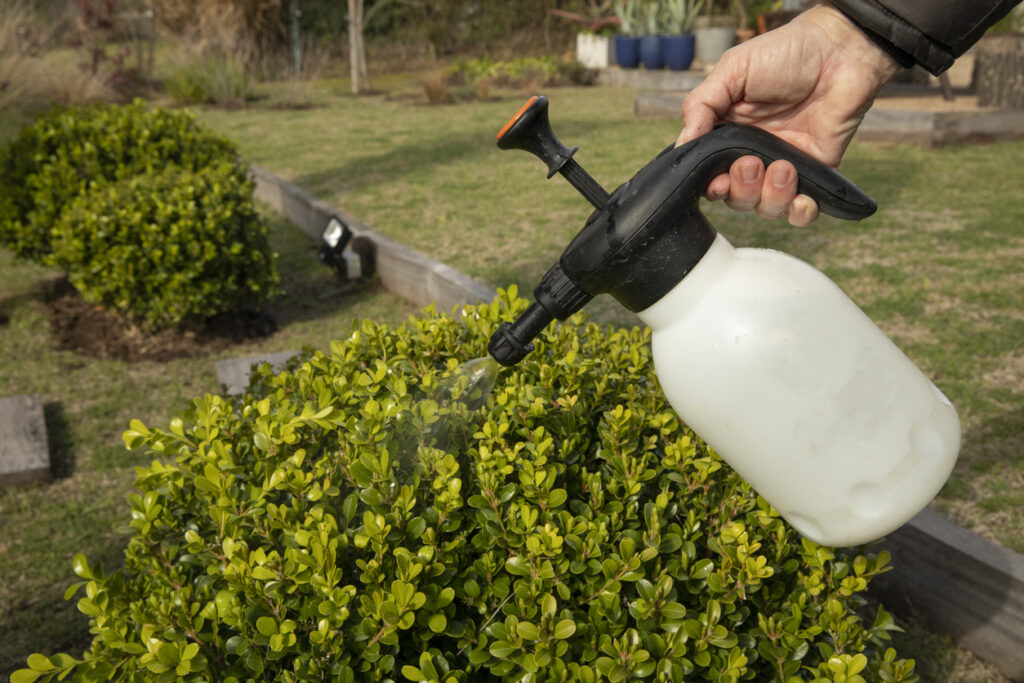
Not all plants are created equal. Lavender and sedum can rot if they’re watered too much, while ferns or thirstier veg might struggle without regular moisture. Grouping plants with totally different needs can lead to overwatering some and underwatering others. Try to group plants with similar thirst levels together—drought-lovers in one bed, water-lovers in another. It makes it much easier to keep everyone happy without constantly second-guessing yourself.
4. Assuming droopy leaves always mean thirst
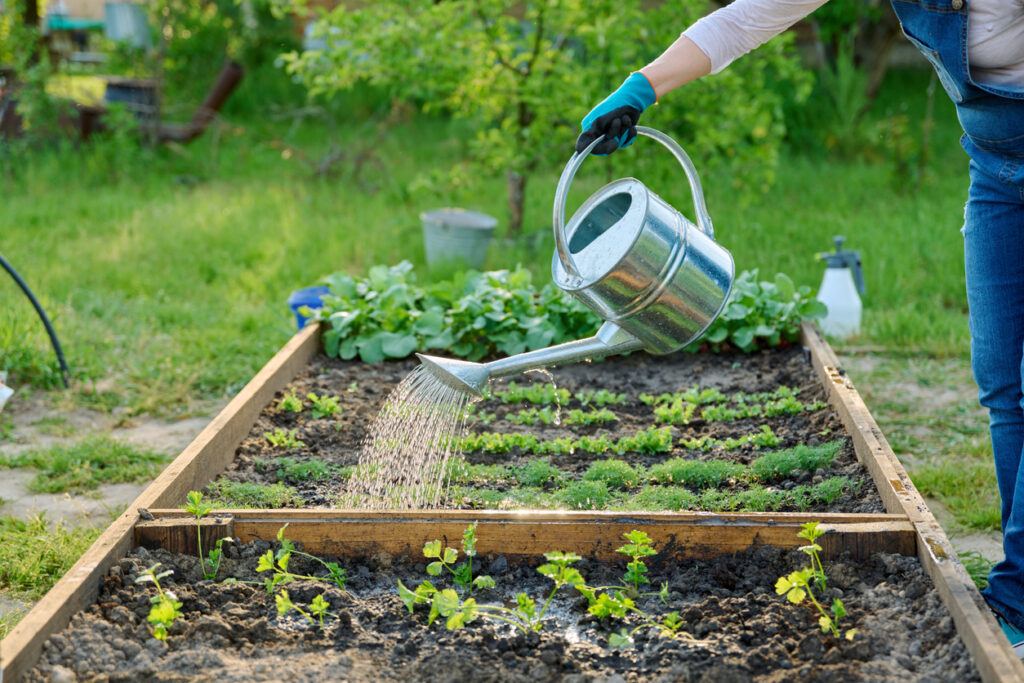
One of the most common mistakes is seeing wilted leaves and rushing to water. But plants can droop when they’re waterlogged, too. Their roots struggle to breathe in soggy soil, leading to stress that looks an awful lot like dryness. Before grabbing the hose, check the soil. If it’s already damp, hold off. If it’s dry, go ahead. The leaves alone won’t tell you the full story, so don’t let them trick you into drowning your plants by accident.
5. Ignoring container plants’ quicker drying needs
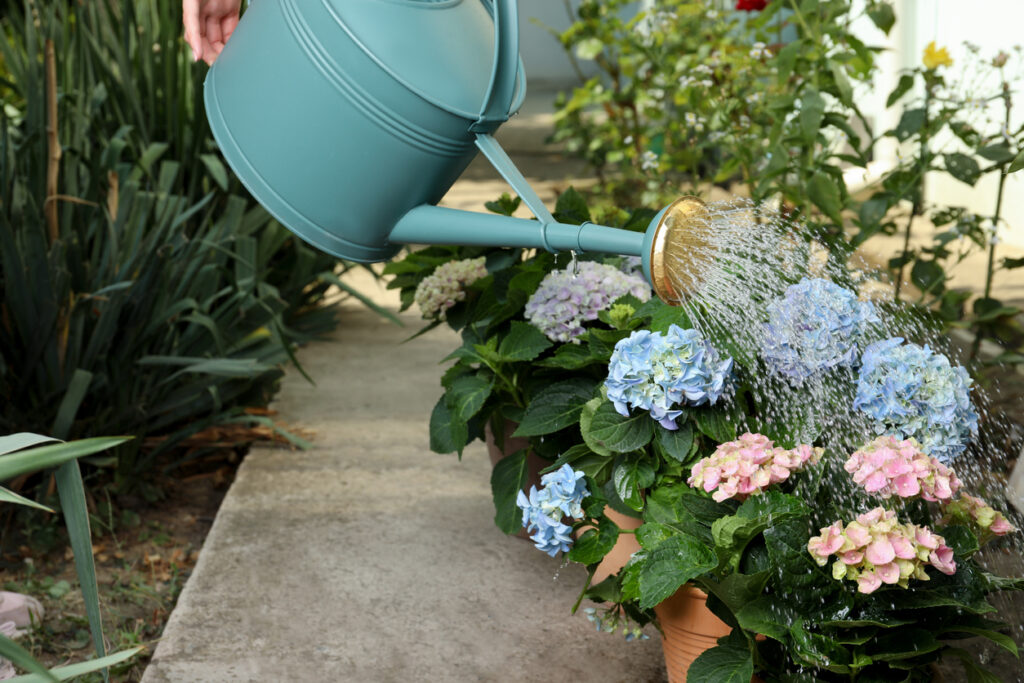
Plants in pots dry out much faster than those in the ground, especially in hot or windy conditions. It’s easy to forget that a plant doing fine in a border might need daily watering in a container. Get into the habit of checking your pots more regularly. Feel the soil near the edges, and don’t rely on how the surface looks. Pots also benefit from morning watering, which helps them get through the hottest part of the day.
6. Watering at the wrong time of day
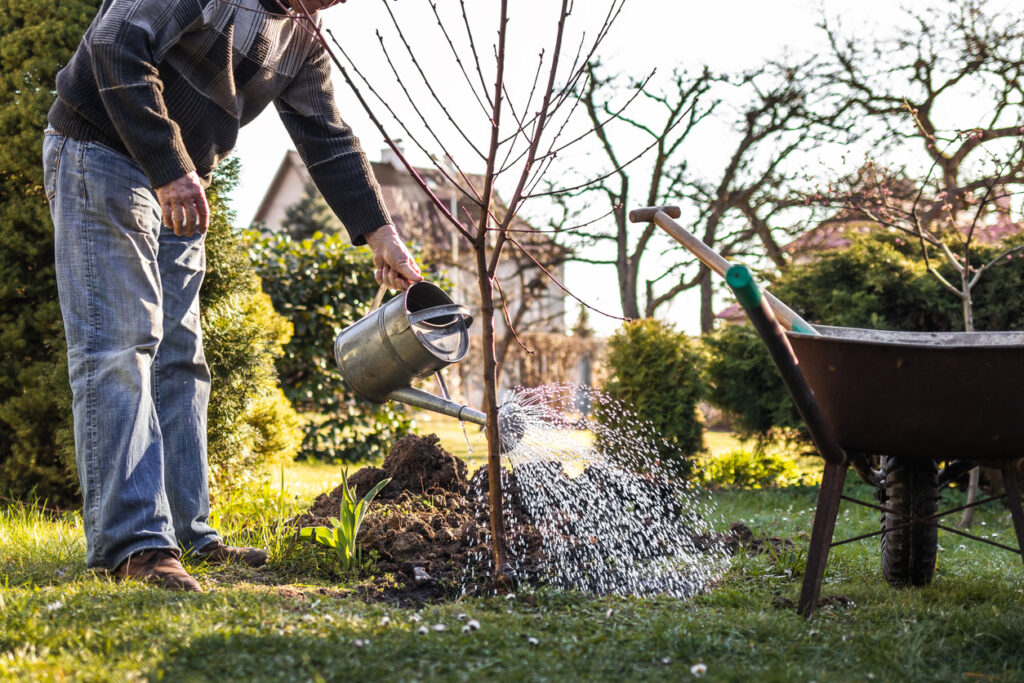
Midday watering might seem logical, but a lot of that moisture evaporates before it can reach the roots. Evening watering can leave plants sitting damp overnight, which invites mildew and rot, especially in cooler climates. The best time to water is early morning. It gives plants a head start before the sun heats up, and it allows any splashed leaves to dry out during the day. Timing can make more difference than you’d think.
7. Using mulch incorrectly (or not at all)
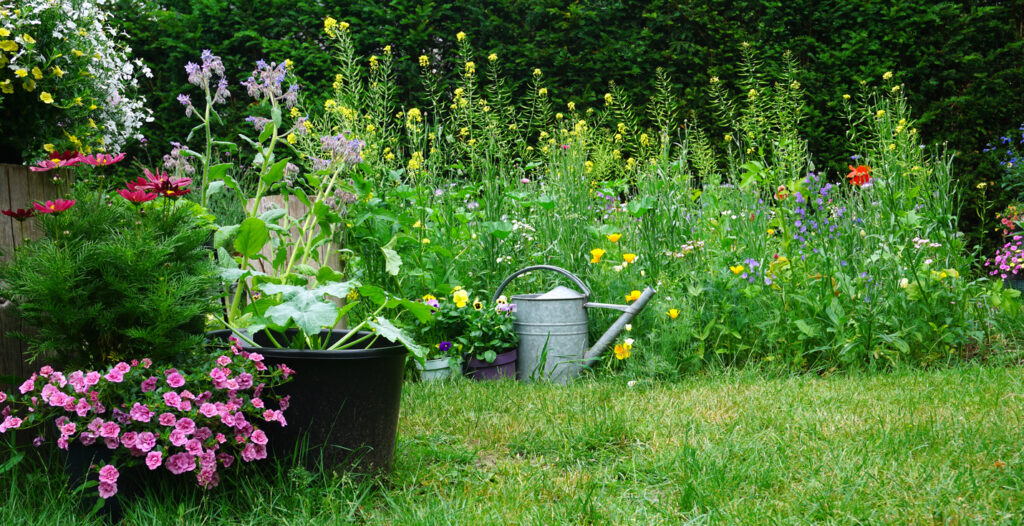
Mulch helps keep moisture in the soil by shielding it from the sun. However, using too much or piling it too close to the base of your plants can actually trap too much moisture or cause rot at the stem. A thin, even layer spread across the surface—about 2 to 3 inches—is usually plenty. It slows evaporation, keeps roots cooler, and means you won’t have to water quite as often, especially during dry spells.
8. Not adjusting for different soil types

Clay soil holds onto water much longer than sandy soil, which drains quickly. If you water both the same way, one bed might stay soggy for days while the other dries out by lunchtime. Knowing what kind of soil you have can help you water more effectively. Sandy soil might need lighter, more frequent watering, while clay benefits from slower, deeper soaking. Tailor your approach instead of treating all soil the same.
9. Watering from above instead of at the base
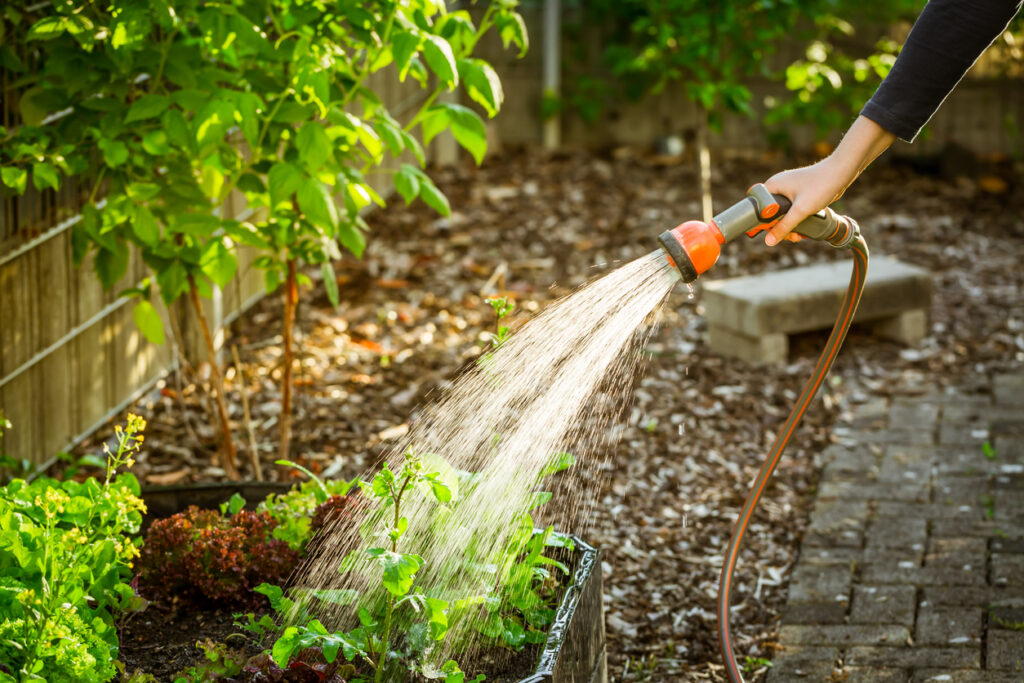
Spraying leaves might feel satisfying, but it doesn’t help much. Most of that water evaporates or runs off without reaching the roots, and it can also promote fungal problems if the foliage stays damp for too long. Instead, aim your watering can or hose at the soil around the base of the plant. That’s where the roots are, and that’s where the moisture is actually needed. It’s quicker, cleaner, and far more effective.
10. Forgetting to check under mulch or groundcover
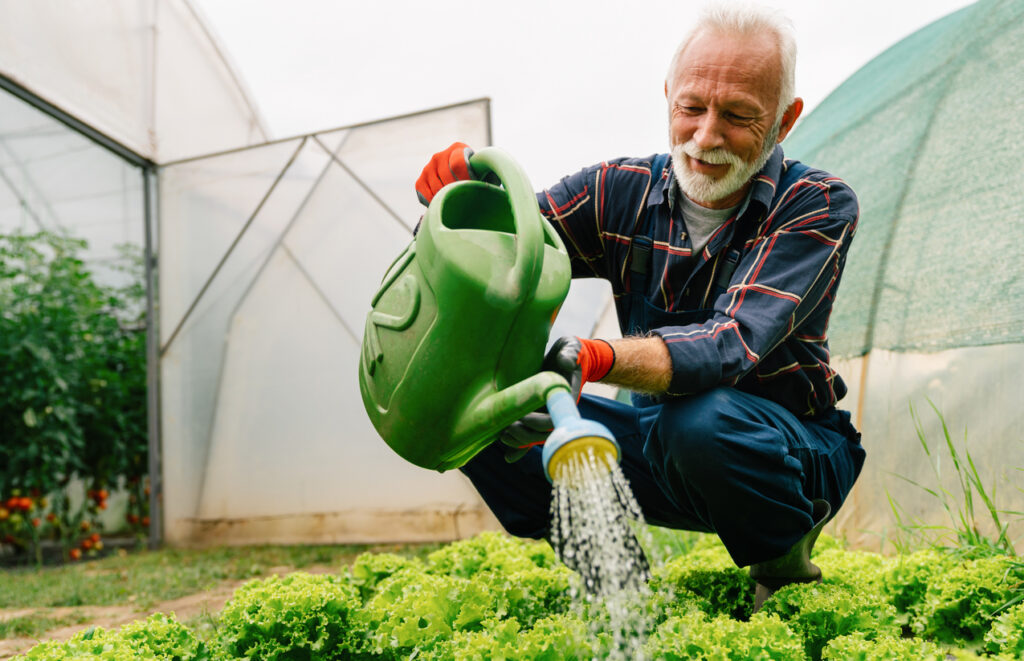
Sometimes mulch, bark, or even dense plant growth can make the soil *look* moist when it’s actually bone dry underneath. You think you’re doing fine on watering, but your plants are quietly struggling below the surface. Pull the mulch back or part the leaves occasionally and check the actual soil. If it’s dusty and dry, it’s time to water. If it’s still holding moisture, you can hold off. A quick check can save your plants a lot of stress.