
Most of us think that once the lid is down on the wheelie bin, the job is finished. We assume that because everything is tucked away out of sight, it’s also out of mind for the local wildlife. But for a fox, a badger, or a rat, your bin isn’t just a plastic box; it’s an all-you-can-eat buffet that they can smell from streets away.
You might never actually spot the culprit in the act, but coming down in the morning to find torn bags and chicken bones scattered across the driveway is a pretty clear sign you’ve had visitors. Especially in the UK, where we’re living closer to nature than we sometimes realise, a few of our everyday habits are basically sending out a formal invitation for a midnight raid.
1. Loose food waste sitting at the top of the bin
If you’ve just finished dinner, and you chuck the leftovers straight onto the top of the pile, you’re making life way too easy for scavengers. Foxes have a sense of smell that puts ours to shame, and rats are experts at detecting a snack through even the thickest plastic.
When scraps aren’t bagged up tightly or buried deep under the boring stuff like old newspapers and cardboard, they act like a beacon for every hungry animal in the neighbourhood. Even a tiny bit of exposed food is enough to turn your garden into a regular stop on their nightly rounds.
2. Meat and fish scraps in thin bags
Nothing brings the local wildlife running quite like the smell of a Sunday roast carcass or some leftover fish and chips. These are high-reward targets because they’re packed with the calories animals need to survive. The problem is that most standard bin liners are pretty flimsy, and a determined fox can rip through them in seconds once they get a whiff of something tasty. Once that bag splits, the rest of your rubbish is fair game. Those smells carry a long way, particularly on damp or humid evenings, making meat waste the biggest attractor in most suburban areas.
@rickgannon Pest Control – dealing with Rodents #rickgannon #propertyinvesting #ukproperty #landlord #tenant ♬ original sound – Rick Gannon
3. Pet food left in or around the bin
It’s easy to forget that what smells like dinner to your cat or dog is just as tempting to a hedgehog, a fox, or a rat. Open tins with a bit of gravy left at the bottom or half-empty bags of kibble are easy wins for opportunistic feeders. Even if you give the tins a quick rinse, that meaty scent still lingers and draws them in. Because pet food is designed to be highly concentrated and smelly to appeal to our pets, it’s basically like a gourmet meal for a wild animal looking for a quick calorie fix.
4. Overflowing bins before collection day
We’ve all had those weeks where the bin is so full we’re practically jumping on the lid to get it to shut. But when you leave a gap because the rubbish is piled too high, you’ve essentially taken away the only barrier keeping the animals out. A lid that’s propped open even an inch is an open door for a fox to nose its way in.
Once they’ve successfully managed to get a meal out of your bin once, they’ll keep coming back every single week to see if they can get lucky again. In many parts of the UK where the bins only go out once a fortnight, that gives the local wildlife plenty of time to scope out the situation.
5. Composting incorrectly
Having a compost heap is a great way to help the garden, but it can quickly become a problem if you aren’t careful about what’s going in there. While apple cores and potato peelings are fine, adding things like cooked pasta, cheese, or meat turns your compost into a massive magnet for rats and foxes.
Even those little food waste caddies we keep in the kitchen can cause trouble if the seal isn’t great or if they’re left outside overnight. Scavengers are much more interested in your leftovers than they are in your grass cuttings, so you’ve got to be mindful of what you’re trying to recycle.
6. Bin lids that don’t fully latch
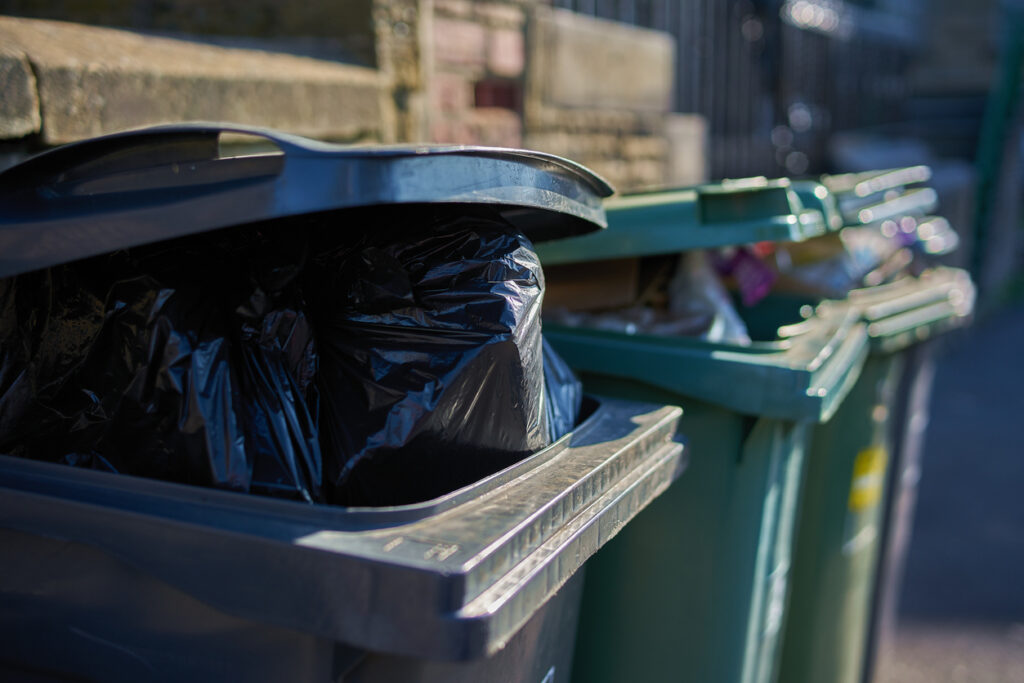
A lid that looks closed at a glance isn’t always as secure as you think. Urban foxes in particular are surprisingly strong, and they’ve learned that a lightweight plastic lid is easy to nudge or lift if it isn’t properly latched down. Once an animal figures out that the lid moves, they’ll keep testing it every time they pass by.
If your bin is a bit older and the lid has warped, or if it’s just sitting unevenly on the pavement, you’re leaving a gap for a determined scavenger to exploit. It won’t take long for your bin to become a permanent fixture on their nightly route.
7. Spilled rubbish around the bin area
It’s easy to overlook a few crumbs or a small bit of plastic that fell out of a bag while you were lugging it to the bin, but those tiny scraps are basically training tools for wildlife. If they find even a tiny bit of food on the ground, they’ll associate that specific spot with a meal.
A torn bag that wasn’t cleaned up properly leaves behind scent traces that stay long after you’ve cleared the big bits away. Since animals like rats and badgers rely so heavily on their noses, yesterday’s little mess becomes tonight’s reason for them to start poking around your wheelie bin.
8. Leaving bins accessible at the front of the property
Storing your bins right by the pavement or the front gate makes them an easy target for any animal patrolling the street. Urban foxes follow very predictable paths every night, and if your bin is right there on the pavement and easy to get into, they’re going to give it a go.
If you can tuck your bins away behind a gate, move them into a side passage, or keep them in a fenced-off area, you’re making yourself a much less tempting target. The more effort an animal has to put in to reach the bin, the more likely they are to move on to the next house.
@husbandoffender POV Rats eating through my bins! #rats #pestcontrol #husbandwife #fyp ♬ original sound – Husband Offender
9. Not rinsing takeaway containers
We’ve all been guilty of tossing a pizza box or a curry tray straight into the bin after a night in, but those greasy containers hold onto a massive amount of scent. Even if they look empty to you, that smell of spices or fats is a huge draw for scavengers. Leaving them unwashed just makes the bin smell like a restaurant to any passing animal. Giving your plastic trays a quick swill with some soapy water might seem like a faff, but it’s one of the best ways to keep the area from smelling like a free meal.
10. Regular feeding of wildlife nearby
There’s nothing wrong with wanting to help out the birds or the hedgehogs, but you have to be careful about how you do it. If you’re regularly putting out food in the garden, you’re conditioning the local animals to see your home as a reliable food source. Once they’ve finished what you’ve left out for them, they’re very likely to go looking for dessert in your wheelie bin. Animals don’t really distinguish between the food you meant for them and the rubbish you’ve thrown away; to them, it’s all just part of the same buffet.
In the UK, we’re mostly dealing with foxes, badgers, and rats, and they are all incredibly clever when it comes to finding a meal. Securing your lids, double-bagging anything particularly smelly, and keeping the whole area clean will go a long way in keeping them away. These animals aren’t trying to be a nuisance; they’re just taking the easiest opportunity they can find. If you make it just a bit more difficult for them, they’ll soon find somewhere else to spend their evenings.