Some of the most fascinating wildlife on the planet lives on islands tucked far away from everything else.
Isolation has a way of shaping species into something completely unique, with animals adapting in ways they never would on the mainland. Over time, these places have become living museums of evolution, home to creatures that exist nowhere else on Earth.
Each island has its own story, shaped by geography, climate, and the species that managed to reach it in the first place. From tiny reptiles to rare birds and ancient mammals, these remote habitats offer a glimpse into nature’s creativity at its best. Exploring them is like stepping into a world that’s evolved entirely on its own terms.
1. Madagascar, Africa
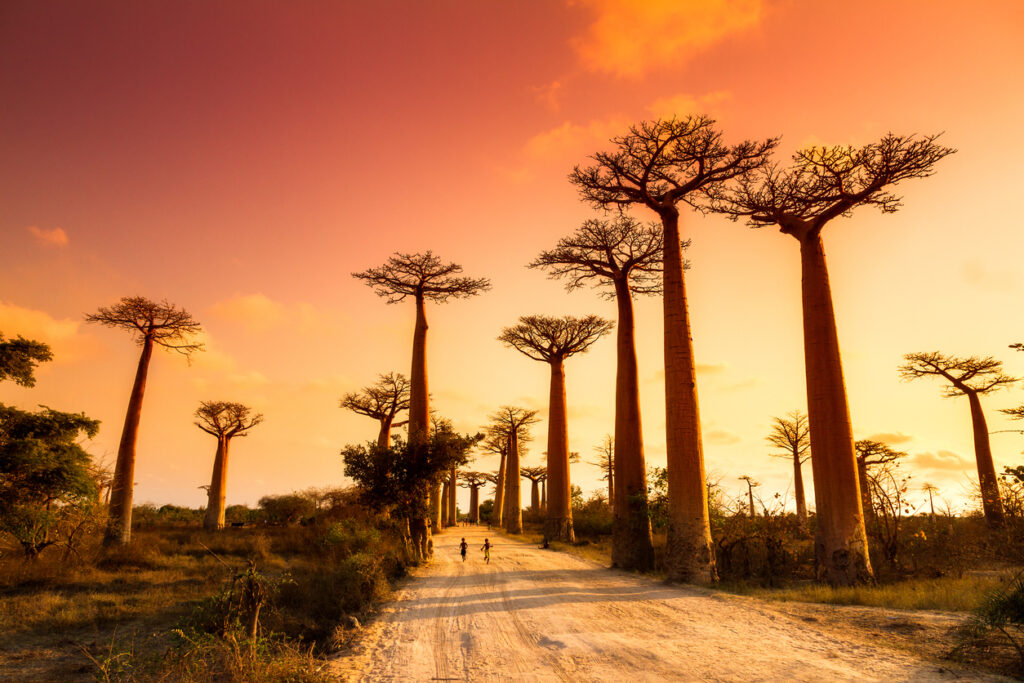
Madagascar is home to thousands of animals found nowhere else on the planet. Lemurs, chameleons, and even the strange-looking aye-aye all evolved in isolation here over millions of years. Its forests are full of life that feels ancient and otherworldly. Around 90% of the species on this island exist only here, making it one of the world’s top spots for rare wildlife.
2. Galápagos Islands, Ecuador

These islands inspired Charles Darwin’s ideas about evolution, and it’s easy to see why. Giant tortoises, marine iguanas, and blue-footed boobies live here and nowhere else. The wildlife on the Galápagos isn’t afraid of people, which makes visiting feel like stepping into a natural paradise frozen in time.
3. Komodo Island, Indonesia

Komodo Island is famous for its enormous lizards, the Komodo dragons. They’re the largest reptiles in the world and can grow longer than a person. Besides the dragons, the island’s dry landscapes and coral reefs are home to deer, snakes, and countless colourful fish, making it a top destination for wildlife lovers.
4. Tasmania, Australia
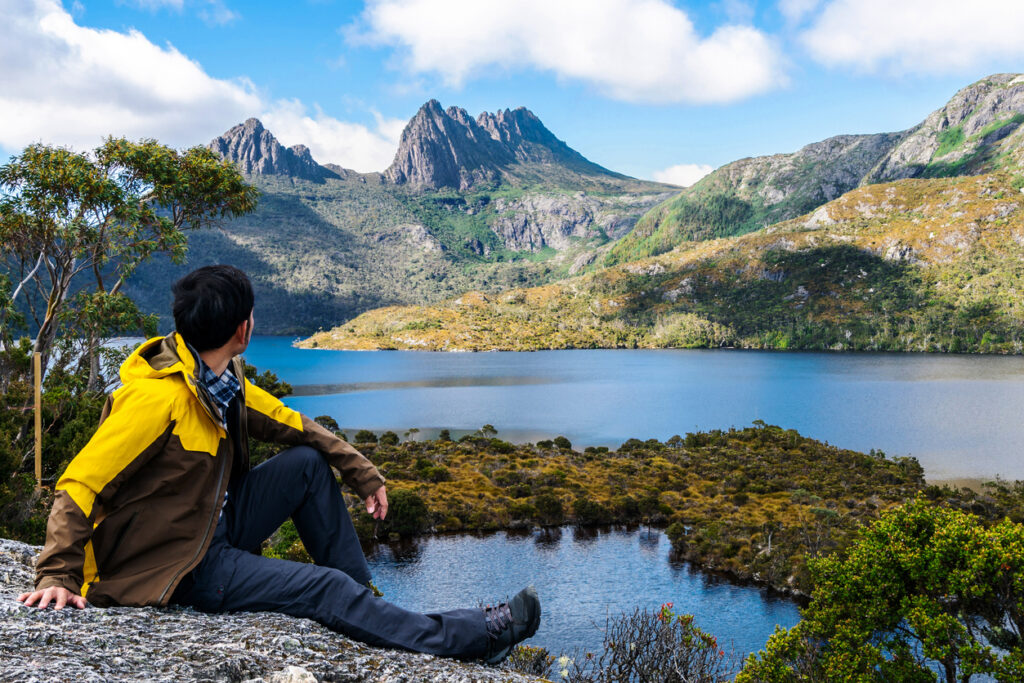
Tasmania’s wild forests and mountains are home to animals that don’t exist on mainland Australia. The Tasmanian devil, for example, is found only here and is known for its loud screeching calls. The island’s mix of rainforests, beaches, and alpine plains makes it a safe home for rare species like the eastern quoll and the elusive Tasmanian wedge-tailed eagle.
5. New Guinea

New Guinea is one of the most biodiverse islands in the world. It’s packed with creatures like tree kangaroos, birds of paradise, and colourful frogs that live nowhere else. Because much of the island is covered in dense jungle, new species are still being discovered every year. It’s one of the last true wildernesses left on Earth.
6. Sri Lanka

This island off India is full of wildlife that’s both rare and easy to see. Elephants, leopards, and purple-faced langurs live alongside many birds found only in its forests. Sri Lanka’s mix of mountains, wetlands, and tropical beaches gives it an incredible variety of habitats. Even small areas can hold species found nowhere else on the planet.
7. Sulawesi, Indonesia
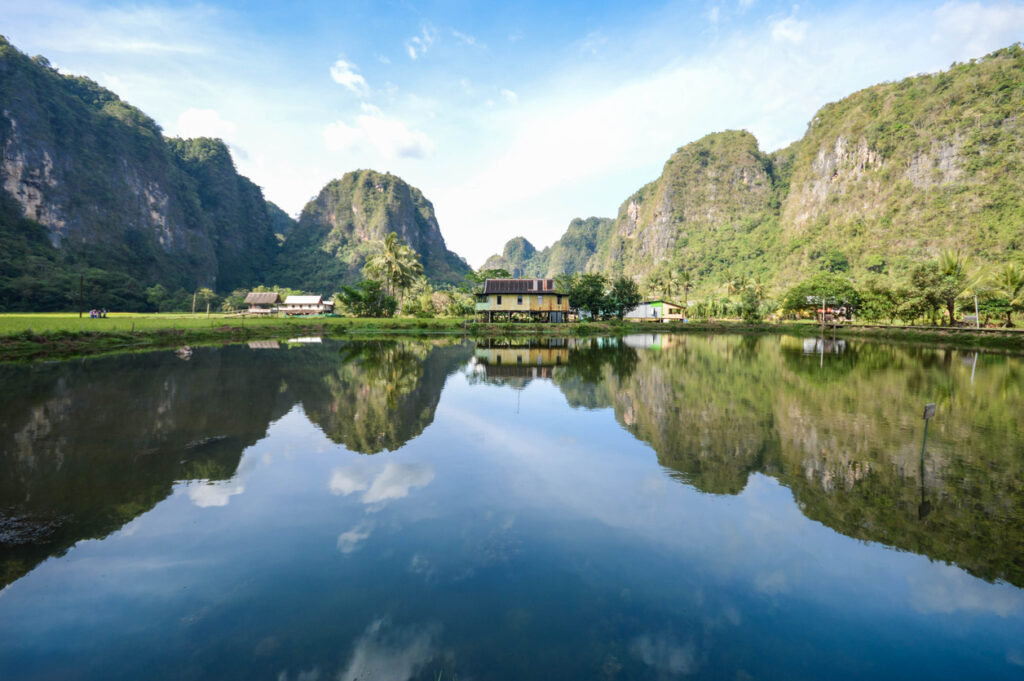
Sulawesi’s strange shape has led to equally strange wildlife. Animals here evolved separately from both Asia and Australia, creating species you won’t find anywhere else. The island is home to the babirusa, a pig with curved tusks that grow through its snout, and the tiny tarsier, a nocturnal primate with huge eyes that can leap between trees.
8. Seychelles, Indian Ocean

This group of islands is home to the Aldabra giant tortoise, one of the world’s oldest and largest land animals. Some of these tortoises have lived for more than 150 years. The surrounding coral reefs are full of life too, with colourful fish, sea turtles, and rare birds making the Seychelles a paradise for nature lovers.
9. New Zealand

Because it’s so far from other countries, New Zealand’s wildlife evolved without land predators. Birds like the kiwi, kakapo, and takahe became flightless because they never had to escape danger. Even today, New Zealand works hard to protect its unique species through national parks and island sanctuaries, keeping its natural history alive for future generations.
10. Socotra, Yemen

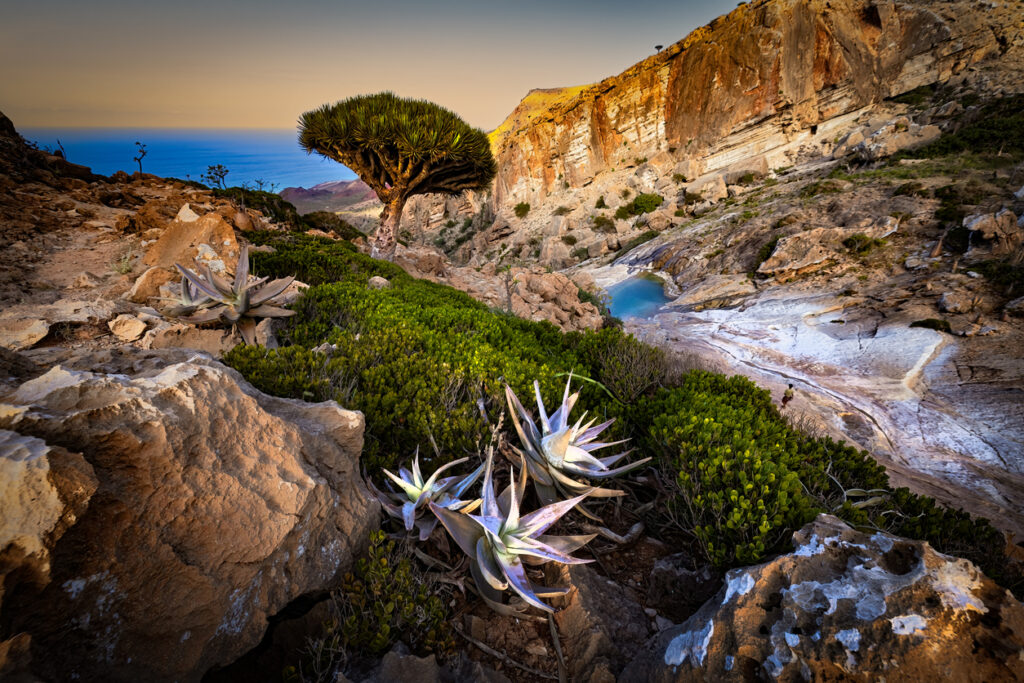
Socotra looks like something from another planet. Its dragon’s blood trees, shaped like umbrellas, grow only here, and its strange mix of plants and animals make it one of the most unique islands on Earth. The island’s isolation has created a world full of odd but beautiful life, from rare birds to insects found nowhere else. It’s often called “the Galápagos of the Indian Ocean” for good reason.